Mato just raised pre-seed Read more

Podcast charts
Published by Dr. Doug Jones
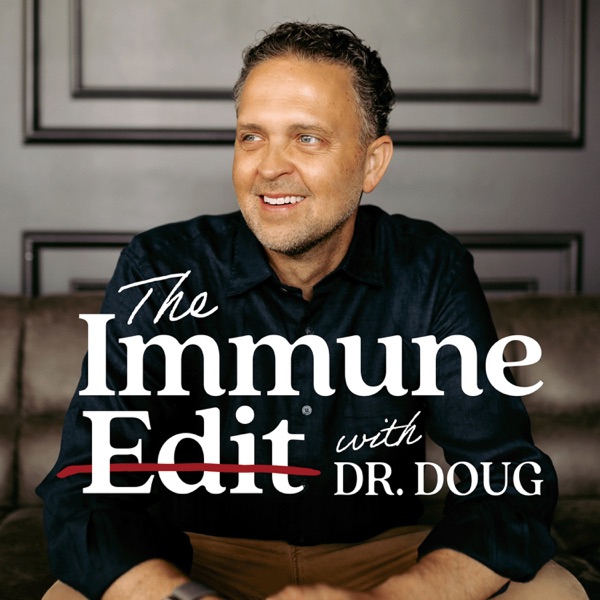
Tired of confusing advice about your immune system? So is Dr. Doug Jones. In The Immune Edit, board-certified immunologist Dr. Doug Jones cuts through the hype, half-truths, and health fads to bring you real answers on food allergies, long COVID, autoimmune issues, and chronic inflammation. Each episode delivers science-backed insights, practical strategies, and no-nonsense conversations to help you go from overwhelmed, to informed. Whether you’re newly diagnosed or deep into your health journey, this podcast is here to help you feel better—and live better.
On the charts
Every published chart this podcast appears in, in the snapshot behind this page. Each one links to the chart it came off.
The Mato Topic Intelligence Platform does not report this podcast as charting in a published category in this snapshot.
From the feed
The latest episodes published to this podcast’s own RSS feed. Titles and descriptions are the publisher’s.
ME/CFS is not simply being tired and Long COVID is not a mystery that has been solved by one test, one mechanism, or one supplement.In this episode of The Immune Edit, Dr. Doug Jones breaks down what we actually know about myalgic encephalomyelitis/chronic fatigue syndrome (ME/CFS), Long COVID, and post-infectious illness, and where the science is still evolving.Using the analogy of a smoke detector, Doug explores what happens when the body responds to a biological threat but struggles to return to baseline. He explains post-exertional malaise (PEM), why symptoms can worsen hours or days after activity, and what researchers are learning about metabolism, mitochondria, skeletal muscle, circulation, autonomic dysfunction, immune regulation, and neuroimmune signaling.Most importantly, this episode tackles the extremes that often dominate the conversation: dismissing symptoms because testing isn't definitive, or claiming that one newly discovered abnormality explains and can cure everyone's illness.The reality is more complicated and more scientifically interesting.Doug discusses why “two things can be true at once,” why biology and prediction can coexist, why individual patients may have different underlying mechanisms, and why understanding the body's ability to recover may be just as important as understanding how it responds in the first place.The goal isn't to dismiss the signal or blindly chase every alarm. It's to investigate, respect the biology, and distinguish what we know from what we merely suspect.Because the better question may not be, “Why is this person tired?”It may be: “Why does this person's system respond to a relatively small demand as though the biological cost was enormous and why does recovery take so long?”
What happens when someone who has lived with food allergies her entire life becomes a parent?In this episode of The Immune Edit, Dr. Doug Jones sits down with Allie Bahn of Miss Allergic Reactor, a longtime food allergy advocate, writer, and expert in traveling safely with food allergies. Allie shares her personal experience navigating pregnancy, breastfeeding, and the early introduction of allergenic foods while living with food allergies herself.Together, they discuss how recommendations around early food introduction have changed, why the LEAP study was such a turning point, and the unique challenges families may face when a parent or sibling has food allergies.They also talk about the anxiety that can come with introducing allergens, the importance of preparation and support, finding an allergist with the right expertise, and why managing food allergy is ultimately a family effort.Most importantly, this conversation is about finding the balance between being prepared and letting fear take over — and learning to focus on what you can control.Because every new stage of life can change how we think about food allergies.
Mast cells have become one of the biggest buzzwords in chronic illness culture, but the conversation online is often far more complicated than “it’s your histamine.”In this episode of The Immune Edit, Dr. Doug Jones breaks down the confusing world of mast cells, mast cell activation syndrome (MCAS), mastocytosis, and histamine intolerance. He explains what these conditions actually mean, why they can overlap without being the same thing, and why symptoms and lab results can’t be interpreted in isolation.Dr. Jones also tackles the growing problem of social media misinformation, unnecessary testing, supplements, and the tendency to blame every symptom, from brain fog and fatigue to flushing and tachycardia, on mast cells or histamine.Most importantly, this episode is about finding the balance between two truths: real mast cell disease exists, and people with legitimate symptoms deserve to be heard, but not every symptom is caused by mast cells.Because medicine isn't about forcing every symptom into one explanation. It’s about understanding the person, the pattern, the context, and the bigger picture.Context matters more than internet certainty.
Back-to-school season means more than new schedules and school supplies. It means making sure kids with food allergies, asthma, and other medical conditions are truly prepared for an emergency. In this episode of The Immune Edit, Dr. Doug Jones sits down with allergist and school medical director Dr. Greg Puglisi to talk about the gaps in allergy emergency preparedness and the problems with relying on paper action plans that often end up buried in a nurse's office. Greg shares the story behind Allergy Aide, a digital platform designed to make emergency action plans more accessible, actionable, and easier for families, physicians, schools, and camps to manage. They discuss QR-code access, symptom guidance, multilingual resources, infant-specific recommendations, school communication, and how technology can remove some of the barriers that prevent people from knowing what to do in an emergency. They also tackle one of the biggest barriers to effective anaphylaxis treatment: hesitation around epinephrine. The reaction is the enemy. The Epi is your friend. From food allergy preparedness at school to public epinephrine stocking and even the challenges of managing allergies while traveling, this conversation is ultimately about one thing: being prepared before an emergency happens. As Greg puts it: Proper prior preparation promotes peak performance.
In a world of viral health claims, polarized opinions, and social media certainty, medicine rarely fits neatly into two opposing sides. In this episode of The Immune Edit, Dr. Doug Jones explores why two things can be true at once: a patient can be genuinely suffering while the explanation they found online is wrong. Medicine can miss people, while misinformation can still cause harm. A treatment can help many people and still hurt others. Vaccines can save lives while adverse events can also occur. Dr. Jones breaks down why context, timing, patterns, mechanisms, and evidence matter, and why feeling heard isn't the same as being accurately guided. He also explores how fear creates a need for certainty, making people especially vulnerable to influencers who offer simple explanations for complicated biology. The goal isn't to dismiss patients or blindly believe every claim. It's to become better at living with uncertainty, asking harder questions, recognizing nuance, and moving from fear toward understanding. Suffering can be real. The explanation can still be wrong.
What happens when food allergy testing creates a diagnosis instead of clarifying one?Dr. Doug Jones is joined by returning guest Dr. Manisha Relan for a wide-ranging conversation about a teenage patient who was tested for food allergies despite initially presenting with asthma and was ultimately told to avoid numerous foods he had been eating without symptoms.They break down why broad food allergy panels can create confusion, why a positive test does not automatically mean food allergy, and the difference between testing that detects something and testing that actually has clinical meaning.The conversation also explores the psychological and financial burden of unnecessary food avoidance, fragmented healthcare, oral allergy syndrome, immunotherapy, and why disease-modifying treatment requires time and consistency.As back-to-school season approaches, Doug and Manisha also share practical advice for families—including medication preparation, school forms, role-playing allergy scenarios, and getting asthma and allergies under control before peak allergy season arrives.The big takeaway? Be proactive, question confusing diagnoses, listen to patients, and remember: a positive test does not define a person or automatically equal a food allergy.
Why are more physicians leaving insurance-based medicine? Is direct care really just "concierge medicine," or is something much bigger happening in healthcare? In this episode of The Immune Edit , Dr. Doug Jones is joined by board-certified allergist and immunologist Dr. Alice Hoyt for an honest conversation about the growing challenges facing modern medicine. Together, they discuss: Why more physicians are transitioning to direct-care practices How insurance policies are changing patient care The recent limitations on allergy skin testing and what they could mean for patients Why 15-minute appointments aren't the doctor's choice How telehealth improved access—and why many of those gains have disappeared What patients should understand about the pressures doctors face behind the scenes The mission behind Code Anna , a nonprofit helping schools prepare for life-threatening allergic emergencies This conversation isn't about blaming patients or physicians, it's about understanding the systems shaping healthcare today and exploring practical solutions that put patients first. Whether you're living with allergies, caring for a child with food allergies, or simply wondering why healthcare feels increasingly frustrating, this episode offers an inside look at what's happening behind the exam room door. Topics Covered: • Food allergies • Direct care medicine • Health insurance • Allergy testing • Telehealth • Code Anna • Epinephrine in schools • Patient advocacy • Healthcare reform • Allergy & Immunology
Millions of people fly every year assuming airline meals are held to the same food safety and labeling standards as restaurants or packaged foods. They're not. In this episode of The Immune Edit , Dr. Doug Jones welcomes back food allergy advocate Lianne Mandelbaum (The No Nut Traveler) to discuss the heartbreaking death of a teenager after being told an airline meal was safe, why current airline food labeling can create a false sense of security, and what travelers with food allergies need to know before their next flight. Together they discuss: Why airline food labeling is different from food labeling on the ground Recent near-miss food allergy incidents on commercial flights Gaps in emergency medical equipment carried by airlines How food allergies are still misunderstood and minimized Practical strategies to fly safely with food allergies Why advocacy and regulatory changes are urgently needed Whether you live with food allergies, travel with someone who does, or simply want to better understand airline safety, this conversation offers practical advice that could help prevent a tragedy. If you found this episode helpful, please like, subscribe, and share it with someone who travels with food allergies. Raising awareness could save a life. https://www.allergicliving.com/2026/07/18/teen-died-of-allergic-reaction-to-airlines-sandwich-family-sues/https://www.allergicliving.com/2026/07/10/airline-meals-and-allergens-2-troubling-reactions-to-hidden-nut/ https://www.allergicliving.com/2026/07/02/faas-awaited-rule-on-epi-on-planes-why-the-fine-print-matters/
In this episode, Dr. Doug Jones sits down with physician, medical educator, and internationally recognized speaker Dr. Mobeen Syed (Dr. Bean) for an in-depth conversation about why modern patients are becoming increasingly complex and what medicine must do to keep up. Together, they explore the growing burden of chronic inflammation, immune dysregulation, Long COVID, and other complex chronic conditions, discussing how these challenges have reshaped patient care and exposed gaps in our healthcare system. They also examine why so many patients feel unheard, how misinformation flourishes during times of uncertainty, and why thoughtful, evidence-based education is more important than ever. Throughout the conversation, Dr. Jones and Dr. Syed emphasize the importance of understanding the underlying mechanisms of disease rather than relying on oversimplified explanations or quick fixes. They discuss the future of medicine, the role of physician education, and how both patients and clinicians can approach complex illnesses with curiosity, nuance, and critical thinking. In this episode, you'll learn: Why chronic illness appears to be increasing The role of chronic inflammation and immune dysregulation Lessons learned from COVID and Long COVID Why many patients with complex conditions feel dismissed How misinformation takes hold in healthcare Why understanding disease mechanisms matters more than chasing simple answers What the future of medicine may look like for both patients and physicians If you enjoy conversations that replace fear with understanding through thoughtful, evidence-based discussion, be sure to subscribe to The Immune Edit for new episodes every week.
Living with food allergies is about so much more than avoiding certain foods. For millions of people, it's navigating travel, restaurants, anxiety, emergency preparedness, and the constant need to advocate for themselves. In this episode of The Immune Edit, Dr. Doug Jones sits down with food allergy advocate, content creator, and clinical psychology graduate student, Mia Silverman. Mia shares her incredible journey of living with more than 50 food allergies, surviving anaphylaxis, overcoming fear, and building a platform that empowers others to live confidently despite severe allergies.They also discuss the mental health impact of food allergies, practical travel strategies, food labeling challenges, medication accessibility, allergy misinformation, and why the healthcare system still has major gaps in caring for patients with food allergies. Whether you're living with food allergies yourself, caring for someone who is, or you're a healthcare professional, this conversation is packed with practical advice and hope. In this episode they discuss: Mia's story of living with 50+ food allergies How to travel safely with severe food allergies Managing anxiety after anaphylaxis Practical restaurant and airline safety tips Food allergy advocacy and social media The mental health impact of chronic food allergies Problems with food labeling and precautionary allergen statements Why epinephrine access and affordability matter The future of food allergy care and educationHow preparation creates confidence—not fear If you enjoyed this episode, subscribe to The Immune Edit, leave a review, and share it with someone who could benefit from this conversation. #FoodAllergy #FoodAllergies #Anaphylaxis #AllergyAwareness #Allergist #Immunology #MentalHealth #FoodAllergyAdvocate #TravelWithFoodAllergies #TheImmuneEdit #Healthcare #ChronicIllness #OIT #OralImmunotherapy #Epinephrine #AllergyEducation
Why do health myths spread so easily and why do they often appeal to thoughtful, intelligent people? In this episode of The Immune Edit , Dr. Doug Jones explores the psychology behind misinformation, why fear and uncertainty change the way our brains process information, and how the search for certainty can make us vulnerable to oversimplified answers. He discusses why trust in medicine has eroded for many patients, how social media rewards confidence over nuance, and why validation and scientific accuracy are both essential for healing. Rather than offering easy answers, this episode provides a framework for thinking more clearly in a world full of health claims, influencers, and conflicting advice. You'll learn: Why misinformation spreads through psychology—not just ignorance How fear changes decision-making Why certainty feels so persuasive The difference between validation and evidence How to navigate uncertainty without falling for oversimplified health narratives If you've ever felt overwhelmed by conflicting health advice or wondered why certain ideas become so convincing, this conversation is for you. Subscribe to The Immune Edit for evidence-based conversations that help you think more clearly about health, medicine, and the immune system.
Social media has turned food into either a miracle cure or the villain—and patients are caught in the middle. In this episode, Dr. Doug Jones welcomes registered dietitian Raquel Durbin back to the podcast for a practical conversation about nutrition, fiber, gut health, and why there is no such thing as the "perfect" diet. Together they discuss: Why fiber is one of the most overlooked tools for immune and gut health How nutrition influences inflammation, the microbiome, and overall wellness Common myths about supplements and viral nutrition trends Why frozen fruits and vegetables are often just as nutritious as fresh The emotional side of food, chronic illness, and restrictive diets Practical strategies for patients with food allergies, mast cell disorders, and complex chronic conditions How small, sustainable changes beat perfection every time If you've ever felt overwhelmed by conflicting nutrition advice online, this episode offers a refreshing, evidence-based perspective focused on flexibility, balance, and real-life habits that last. Food should nourish—not create fear.
After trust breaks down, what happens next? In this episode of Immune Edit, Dr. Doug Jones explores why misinformation spreads so easily in health and chronic illness communities and why intelligence alone doesn't protect us from it. When people feel dismissed, frightened, or stuck in uncertainty, the search for answers becomes deeply personal. That's when confidence can start looking like evidence, influencers can feel more trustworthy than experts, and simple explanations can become incredibly appealing. Dr. Jones examines the psychology behind misinformation, the role fear plays in shaping our beliefs, and why social media rewards certainty over nuance. He also discusses the importance of context in medicine, the difference between validation and accuracy, and how patients can navigate uncertainty without becoming trapped by oversimplified answers. This conversation isn't about mocking people who search for answers, it's about understanding why they search in the first place and how we can think more clearly when certainty feels impossible. Topics discussed: • Why misinformation spreads through psychology, not ignorance • The relationship between chronic illness, uncertainty, and trust • How fear changes the way we process information• The dangers of oversimplified health narratives • Why context matters more than isolated symptoms • The difference between skepticism and cynicism • How to stay curious without becoming vulnerable to false certainty The edit: A frightened brain often prefers a wrong answer over an uncertain one. Real understanding begins when we're willing to sit with uncertainty long enough to keep learning.
What does "freedom" actually mean when you're living with food allergies? In this episode of Immune Edit, Dr. Doug Jones welcomes back licensed psychologist and food allergy advocate Dr. Amanda Whitehouse for a thoughtful conversation about food allergy treatment, patient empowerment, and the emotional realities families face when navigating difficult medical decisions. Fresh off the FAST (Food Allergy Support Team) annual conference, Amanda shares her unique perspective as both a psychologist and a parent of a child with food allergies. Together, they discuss how food allergy treatment has evolved over the past decade, why shared decision-making matters, and how families can define success on their own terms rather than allowing others to define it for them. The conversation also explores the difference between anxiety and trauma, the importance of involving children in treatment decisions, and why "freedom" may mean something different for every patient and family. Amanda also introduces her new book, From Fear to Freedom , a practical guide designed to help families thoughtfully navigate food allergy treatment options while addressing both the medical and psychological aspects of the journey. Whether you're a patient, parent, healthcare professional, or simply interested in the future of food allergy care, this episode offers valuable insights into finding confidence, clarity, and empowerment in the face of uncertainty. Topics discussed: • Food allergy treatment evolution • Shared decision-making • Anxiety vs. trauma • Defining freedom and success in treatment • Patient-centered care • Involving children in treatment decisions • The role of psychology in food allergy management • Amanda Whitehouse's new book, From Fear to Freedom
Have you ever felt like you're stuck on a medical merry-go-round? You've seen multiple specialists. You've had countless tests. You've spent hours researching symptoms online. Yet you still feel like nobody has fully explained what's happening to your body. In this foundational episode of The Immune Edit, Dr. Doug Jones explores why so many people with chronic symptoms, immune-related conditions, and unexplained health challenges feel trapped between uncertainty, fear, and conflicting information. He unpacks the realities of fragmented healthcare, the emotional toll of unpredictable symptoms, and why the search for answers can sometimes lead people deeper into confusion rather than clarity. Most importantly, this conversation offers a different path forward, one grounded in nuance, compassion, scientific honesty, and realistic progress rather than fear and oversimplified solutions. If you've ever wondered, "Why do I feel this way?" or "Why can't anyone connect the dots?" this episode is for you.
When headlines announced the discontinuation of Palforzia, the first FDA-approved peanut allergy treatment, many families understandably wondered: Does this mean food allergy treatment isn't working? In this episode of The Immune Edit, Dr. Doug Jones explains why the answer is a resounding no. Dr. Jones shares his perspective on why Palforzia struggled commercially, the challenges of fitting highly individualized care into a rigid pharmaceutical model, and what the future of food allergy treatment actually looks like. He also pulls back the curtain on the work of FAST (Food Allergy Support Team), a global network of clinicians collaborating to advance patient-centered food allergy care through real-world experience, innovation, and outcomes. This conversation explores: • Why Palforzia's discontinuation is not a setback for food allergy treatment• The history and evolution of oral immunotherapy (OIT) • Why personalized treatment matters more than one-size-fits-all solutions• Emerging approaches including OIT, sublingual immunotherapy, biologics, and combination therapies• The importance of accessibility, affordability, and reducing treatment burden • How collaboration—not competition—will shape the future of food allergy care Most importantly, this episode is about something bigger than peanut flour or pharmaceutical products. It's about helping families move from fear to freedom, finding treatments that fit the individual, and building a future where food allergy care is driven by patient outcomes rather than product-centered agendas. The future of food allergy treatment isn't disappearing. In many ways, it's just getting started.
In a world full of “what your doctor won’t tell you” headlines, it’s easy to feel like you’re missing something—or worse, being misled. But are doctors really hiding information? In this episode, Dr. Doug Jones sits down with pediatric allergist Dr. Manisha Relan to unpack one of the biggest myths in modern healthcare: the idea that physicians are gatekeeping answers. Together, they break down how social media hooks, emotional storytelling, and clever marketing can blur the line between education and manipulation. They dive into: Why doctors don’t order certain tests (and what that actually means) The truth about “hidden” allergies and food sensitivity testing How to spot red flags in online health advice The role of supplements—and why more isn’t always better What it really means when a doctor says, “I don’t know” This conversation is a refreshing, honest look at the realities of medicine—where uncertainty exists, learning never stops, and the goal is always to work with patients, not against them. If you’ve ever questioned medical advice, felt overwhelmed by conflicting information, or wondered who to trust, this episode will help you pause, think critically, and navigate it all with more confidence.
Food reactions are more confusing than ever and social media isn’t helping. In this episode, Dr. Doug Jones sits down with registered dietitian, Raquel Durbin, to break down the difference between food allergies, intolerances, and sensitivities, and why so many people are stuck in a cycle of fear and over-restriction. They dive into: • Why “everything makes me react” is becoming more common• The problem with at-home food sensitivity tests• How restrictive diets can hurt your health (and your quality of life)• The truth about supplements, probiotics, and trending nutrition advice• Simple, evidence-based ways to support your body, starting with food If you’ve ever felt overwhelmed by what to eat or confused by your symptoms, this episode will help you cut through the noise and get back to what actually works. Food allergy isn’t just a diagnosis, it’s a lifestyle. The goal isn’t perfection…it’s progress. 🩺 Become a patient at GAIN: myimmunenetwork.com 📱 Follow Dr. Doug Jones: @drdougjones on Instagram and TikTok 🌐 Learn more: drdougjones.com
Think you know what to expect when flying with a food allergy? Think again. Airline labeling laws, emergency kit contents, and pre-boarding rights are not what most passengers assume — and the gaps in protection are bigger than you'd think. Dr. Doug sits down with Lianne Mandelbaum, founder of No Nut Traveler and airline correspondent for Allergic Living, to break down what every food allergy family needs to know before their next flight. Lianne has spent over a decade advocating for safer air travel after her son was bullied for his peanut allergy at the Denver airport — and United Airlines refused to help. They cover which airlines will (and won't) accommodate you, why you should never eat an airline meal, how co-factors like stress, fatigue, and altitude can lower your reaction threshold, and what's actually inside those emergency medical kits (spoiler: not what you'd hope). Plus, the latest DOT ruling that limits pre-boarding rights to only peanut and tree nut allergies — and why Lianne is fighting to change it. 🩺 Become a patient at GAIN: myimmunenetwork.com 📱 Follow Dr. Doug Jones: @drdougjones on Instagram and TikTok 🌐 Learn more: drdougjones.com
Your kid has a food allergy — and you've been told to "just avoid it." But what if there are other options nobody told you about? In this episode, Dr. Doug Jones is joined by Dr. Tom Chacko and Dr. Farah Khan for an unfiltered roundtable on the food allergy treatments available right now: oral immunotherapy (OIT), sublingual immunotherapy (SLIT), and omalizumab (Xolair). They break down who each treatment is best for, debate real patient cases, and get into an honest disagreement about when a biologic makes more sense than daily dosing. This isn't a scripted overview — it's three allergists with different perspectives hashing it out in real time. Whether your child is a toddler just diagnosed or a teenager managing allergies through high school, this episode will help you understand what questions to ask and what options might be on the table. 🩺 Become a patient at GAIN: myimmunenetwork.com 📱Follow Dr. Doug Jones: @drdougjones on Instagram and TikTok 🌐 Learn more: drdougjones.com
Ranking source
Apple Podcasts rankings via the Mato Topic Intelligence Platform.
Observed September 12, 2026. Cached outside the daily freshness window; the positions keep the date they were taken on.
Apple and Apple Podcasts are trademarks of Apple Inc., registered in the U.S. and other countries.
Pairs with
Bring this source into Mato to read its transferable patterns, then turn them into an original show for your own audience.