Mato just raised pre-seed Read more

Podcast charts
Published by Thomas Caleel
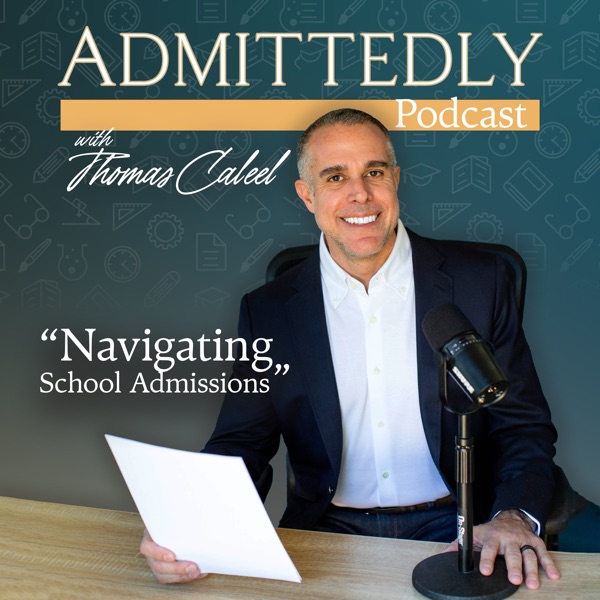
Does thinking about applying to college, grad school, or prep school make your head spin? The Admittedly Podcast is for both parents and students preparing for or navigating school admissions. We aim to demystify the admissions process and share with you what you really need to know to succeed. Our host, Thomas Caleel, former director of MBA admissions and financial aid for the Wharton School at the University of Pennsylvania, is here to help. He is a lifelong entrepreneur and CEO of a global admissions consulting agency where he works with families worldwide to help them achieve their educational goals. New episodes go live every week. In this podcast, we don't promise easy answers or quick fixes. But with decades of experience under his belt, Thomas will address the practical aspects of applying to school and how to think like an admissions officer to improve your college or prep school application.
On the charts
Every published chart this podcast appears in, in the snapshot behind this page. Each one links to the chart it came off.
From the feed
The latest episodes published to this podcast’s own RSS feed. Titles and descriptions are the publisher’s.
To speak with an advisor and map out your student's next steps, book a Complimentary Strategy Call at admittedly.co/path-to-admissions AI is transforming education and the workforce. But what does that mean for the colleges students choose, the majors they pursue, and the careers they're preparing for? In this episode of the Admittedly Podcast , Thomas Caleel sits down with Scott Kosch . Scott Kosch is the author of Indispensable: A Student's Guide to Thriving in the Age of AI , Senior Partner at NextAccess (an AI business transformation consultancy), and Managing Partner at Kosch Capital. He also publishes The AI-Ready Student newsletter. With over 25 years of experience, he advises students, parents, and educators on preparing for AI-era careers. He holds an MBA from The Wharton School of the University of Pennsylvania and a BA from Claremont McKenna College . They discuss how artificial intelligence is changing the way students learn, what families should consider when choosing colleges and majors, whether Ivy League prestige still matters, and why critical thinking, communication, and adaptability may be among the most valuable skills students can develop. Key Takeaways AI in education: How can students use AI without compromising critical thinking and genuine learning? Choosing colleges: Should families look beyond traditional rankings to evaluate how universities are preparing students for AI? College majors: Is choosing a major based on today's job market a mistake? Liberal arts vs. technical skills: Why might interdisciplinary education, communication, and intellectual flexibility become increasingly valuable? College admissions: What does it take to stand out when AI-powered projects are becoming commonplace? Career planning: How should students approach internships, entry-level jobs, and long-term professional development? The goal isn't to predict exactly what the workforce will look like in ten or twenty years. It's to help students develop the skills, judgment, and adaptability to succeed as the world changes. Learn more about Scott Kosch: Book and website: https://www.scottkosch.com/ The AI-Ready Student newsletter: https://aireadystudent.com/ LinkedIn: https://www.linkedin.com/in/scottkosch/ To speak with an advisor and map out your student's next steps, book a Complimentary Strategy Call at admittedly.co/path-to-admissions
To speak with an advisor and map out your student's next steps, book a Complimentary Strategy Call at admittedly.co/path-to-admissions . Does living in a major city give your student an advantage in college admissions? Or do students from smaller towns and less populated states have a better chance of standing out? In this episode of the Admittedly Podcast , Thomas Caleel explores how geography, access to opportunities, and local competition can shape a student's college admissions strategy. From New York City to rural Nebraska, Thomas explains how admissions officers consider applicants in context and why students should focus less on what others have access to and more on what they can accomplish with the opportunities around them. Key Takeaways Geographic diversity: Does coming from a less populated state help students stand out? Big-city competition: Why having more opportunities doesn't always make it easier to distinguish yourself. Rural applicants: How to build compelling experiences without access to major universities or prestigious internships. Extracurricular strategy: Why meaningful work, initiative, and sustained commitment matter more than impressive titles. Academic opportunities: How students can demonstrate intellectual curiosity when their high schools offer limited resources. Standing out: How to turn your environment, interests, and experiences into a stronger college application. Your ZIP code doesn't determine your future. What matters is how you recognize, create, and pursue meaningful opportunities wherever you live. To speak with an advisor and map out your student's next steps, book a Complimentary Strategy Call at admittedly.co/path-to-admissions .
To speak with an advisor and map out your student's next steps, book a Complimentary Strategy Call at admittedly.co/apply . Are expensive summer programs and paid research opportunities actually helping students get into selective colleges? Or are families spending thousands of dollars on activities that do little to strengthen an application? In this episode of the Admittedly Podcast, Thomas Caleel tackles one of the most controversial topics in college admissions: pay-to-play summer programs and research opportunities. From university-branded pre-college programs to paid research mentorships, Thomas explains how admissions officers evaluate these experiences, why some impressive-sounding credentials carry less weight than parents expect, and when paying for an academic opportunity can genuinely make sense. Key Takeaways Paid research: Does paying for research actually strengthen a college application? High school research: Do students need research experience for Ivy League admissions? Summer programs: When are expensive pre-college programs worth the investment? University prestige: Does attending a summer program at a top university give students an advantage? Alternative experiences: Why might jobs, internships, and independent projects stand out more? University of Chicago: What makes its summer program admissions pathway different? The question isn't whether a program is prestigious or expensive. It's whether the experience helps your student develop genuine interests, take initiative, and build a more compelling college application. To speak with an advisor and map out your student's next steps, book a Complimentary Strategy Call at admittedly.co/apply .
To speak with an advisor and map out your student's next steps, book a Complimentary Strategy Call at admittedly.co/apply. SAT or ACT? Does the PSAT matter? When should your student start preparing? Should they submit their scores to test-optional colleges? And what does a competitive score actually look like for Ivy League and other highly selective universities? In this episode of the Admittedly Podcast, Thomas Caleel answers some of the most common questions families have about standardized testing and its role in college admissions. Inspired by a recent live event with Arun Alagappan, founder of Advantage Testing, Thomas breaks down how students should approach the SAT, ACT, and PSAT, from choosing the right exam to developing a realistic testing timeline. As colleges reconsider test-optional policies and place renewed emphasis on standardized scores, understanding how testing fits into the broader application has become increasingly important. Thomas explains how admissions officers interpret scores alongside grades and academic rigor, what students should consider before withholding scores, and why even an impressive overall score may not tell the full story. Key Takeaways SAT vs. ACT: Does one test give students an advantage in selective college admissions? When should students begin preparing for the SAT or ACT? How much does the PSAT matter for college admissions? What does applying test-optional communicate to admissions officers? How do colleges evaluate standardized test scores alongside GPA, course rigor, and AP or IB performance? Can a high SAT or ACT score compensate for weaker grades? How much do individual section scores matter for students interested in engineering, business, or other academic fields? Do students really need a 1550+ SAT score to be competitive for Ivy League admissions? The right testing strategy isn't simply about chasing the highest possible score. It's about understanding your student's academic strengths, choosing the right exam, preparing at the right time, and knowing how their scores contribute to the larger admissions picture. For families seeking individualized SAT/ACT preparation and academic support, learn more about Admittedly's partnership with Advantage Testing at https://admittedly.co/test-prep-tutoring/ To speak with an advisor and map out your student's next steps, book a Complimentary Strategy Call: admittedly.co/apply
To speak with an advisor and map out your student's next steps, book a Complimentary Strategy Call at admittedly.co/apply . Should you apply Early Decision, Early Action, or wait until Regular Decision? With early application deadlines approaching, the decision is about more than getting your application in first. It's about understanding where you have the strongest opportunity, what you're committing to, and how your choice affects the rest of your college admissions strategy. In this episode of the Admittedly Podcast, Thomas Caleel breaks down the differences between Early Decision (ED), Early Action (EA), Restrictive Early Action (REA), and Regular Decision (RD), and explains why the changing higher education landscape could make early application strategy particularly important this cycle. Drawing on his decades of admissions experience and recent conversations with current admissions officers, Thomas explores how colleges are thinking about enrollment and yield, why early acceptance rates can be misleading, and what students should consider before committing to a binding application. He also addresses ED2, financial aid considerations, deferrals, and the importance of preparing a strong Regular Decision strategy. Key Takeaways What is the difference between Early Decision, Early Action, Restrictive Early Action, and Regular Decision? Does applying Early Decision actually increase your chances of admission? Why might colleges prioritize early applicants more heavily this admissions cycle? How should students choose which college to apply to early? What should families understand about financial aid before making a binding Early Decision commitment? When does Early Decision II make sense, and when should students avoid it? What should you do if your early application is deferred? How can students prepare their essays and Regular Decision applications strategically? The right early application strategy isn't simply about applying to the most prestigious school on your list or chasing a higher acceptance rate. It's about understanding your competitiveness, evaluating the tradeoffs, and making a decision that supports your larger admissions goals. To speak with an advisor and map out your student's next steps with our team of Admissions experts, book a Complimentary Strategy Call at admittedly.co/apply . To learn more about Admittedly's essay review services, visit https://hubs.li/Q04vzrv10.
To speak with an advisor and map out your student's next steps, book a Complimentary Strategy Call at https://info.admittedly.co/path-to-admissions Your child may be bright, hardworking, involved, and genuinely impressive. But does that make them competitive at the most selective colleges? In this episode of the Admittedly Podcast, Thomas Caleel has a candid conversation with parents about one of the hardest realities of college admissions: your child can be exceptional without being the exception in an extraordinarily competitive applicant pool. As families enter another application cycle, Thomas explains why strong grades, extracurricular activities, and good intentions don't always translate into a compelling application. Drawing on real examples from his work with students and families, Thomas explores how parents can lose perspective, why checking the right boxes isn't the same as standing out, and what happens when students reach senior year without a clear strategy. More importantly, he explains how earlier, more objective guidance can help students identify their interests, develop meaningful accomplishments, and build an application that reflects who they actually are. Key Takeaways Why do excellent students still get rejected from highly selective colleges? What does it actually mean to be exceptional in a competitive applicant pool? How can parents distinguish meaningful extracurricular involvement from simply staying busy? Why don't passion projects, student-founded clubs, and impressive-sounding activities always stand out? What can families do differently during freshman, sophomore, and junior year? How can students build a more focused and authentic application narrative? Why is an objective outside perspective so valuable before senior year? The goal isn't to push every student toward an Ivy League school or manufacture an impressive résumé. It's to understand what your student genuinely wants, evaluate where they stand, and give them the time and support to pursue those goals intentionally. Because by senior year, many of the most important decisions have already been made. To speak with an advisor and map out your student's next steps, book a Complimentary Strategy Call at https://info.admittedly.co/path-to-admissions
To speak with an advisor and map out your student's next steps, book a Complimentary Strategy Call at info.admittedly.co/path-to-admissions. In this episode of the Admittedly Podcast, Thomas Caleel examines the rise of alternative education paths, from tech and startup programs to AI-driven schools and direct-to-work opportunities. As students are increasingly told that a traditional four-year degree may no longer be necessary, families are facing a much more complicated question: how do you know which path will actually serve you long term? Drawing on examples from emerging education models and the tech industry, the conversation explores what students should weigh before stepping away from a traditional college path, from career flexibility and transferable skills to networks, mentorship, and the value of education beyond a credential. Key Takeaways • Is college still worth it as AI and technology reshape the workplace? • How should families evaluate new alternatives to a four-year college degree? • What should students consider before choosing a tech or direct-to-work opportunity? • How much do college networks, professors, and alumni matter long term? • How are trade schools different from emerging tech-focused education programs? • What could students be overlooking when they choose a faster path into the workforce? The goal is not to choose college simply because it is traditional or reject new educational models because they are unfamiliar. It is to understand the tradeoffs, protect your long-term options, and make an informed decision about the path that serves you best. To speak with an advisor and map out your student's next steps, book a Complimentary Strategy Call at info.admittedly.co/path-to-admissions .
In this episode of The Admittedly Podcast, Thomas Caleel sits down with Sarah Bernbach, Associate Director of Advantage Testing's New York offices, to explore what more than two decades of tutoring has taught her about how students learn, build confidence, and find their voice. Drawing on 22 years of experience (and her own unconventional path as a pastry chef, bookbinder, writer, and costume designer), Sarah explains why struggling is often part of learning, why a lack of motivation can actually be fear, and what helps students move from uncertainty to mastery. Thomas and Sarah also dive into college essays, including why students often focus too much on what happened to them instead of what their story reveals about who they are. Key Topics: Why student resistance or lack of motivation may actually be rooted in fear How great tutors build trust and confidence with students What being a beginner teaches us about learning and mastery Why authenticity is so difficult (and important) in personal writing How to find a college essay topic that reveals who you are Why imitating successful college essays can work against your own voice Guest: Sarah Bernbach is the Associate Director of Advantage Testing's New York offices and has spent 22 years as an elite tutor helping students strengthen their academic skills, writing, and confidence as learners. Learn more about Admittedly's partnership with Advantage Testing: admittedly.co/programs Follow Admittedly: Instagram & TikTok: @admittedlyco Follow Advantage Testing: Instagram: @advantagetesting
🎓 Need help building your academic and college admissions strategy? Learn more about Admittedly and how our team of former Ivy+ admissions officers helps students make strategic decisions Course selection is one of the most important—and often overlooked—parts of building a competitive college application. The classes you choose don't just determine your GPA; they show admissions officers how you've challenged yourself, where your academic interests lie, and how you've taken advantage of the opportunities available to you. In this episode of The Admittedly Podcast, Thomas Caleel breaks down how students should approach course selection across AP, IB, A-Level, and other academic systems. He also explains how to think ahead from middle school through senior year—and what students can do if they realize they need to strengthen their academic trajectory or their school doesn't offer the courses they need. Key Takeaways Why course selection and academic rigor matter beyond your GPA How early academic decisions can shape your options later in high school How to approach AP, IB, A-Level, honors, and other advanced curricula Why your most rigorous courses should align with your intended academic interests How to use outside courses, community colleges, and other options to strengthen your academic trajectory What to do if you realize you're behind or made the wrong course choices Why senior year should represent the strongest point in your academic progression Conclusion There isn't one perfect high school schedule for every student. The goal is to build an academic trajectory that makes sense for your interests, your goals, and the opportunities available at your school —and to think ahead before individual course decisions limit your options. And if you haven't followed the ideal path so far, there may still be ways to strengthen it. 🎓 Need help building your academic and college admissions strategy? Learn more about Admittedly and how our team of former Ivy+ admissions officers helps students make strategic decisions around course selection, testing, extracurriculars, college lists, applications, and more. 📱 Follow Admittedly for more college admissions advice: Instagram & TikTok: @admittedlyco
🎓 Want help building a thoughtful high school and college admissions strategy? Learn more about Admittedly and how our team of former Ivy+ admissions officers helps students and families plan academics, extracurriculars, summers, testing, college lists, applications, and more. Freshman year isn't about building the perfect college application. It's about building the habits, academic foundation, relationships, and curiosity that will give you more options later. In this episode of The Admittedly Podcast, Thomas Caleel shares what ninth graders (and their parents) should actually be thinking about as they begin high school. From choosing rigorous courses and building relationships with teachers to exploring extracurriculars, asking for help early, and making the most of freshman summer, Thomas explains how to start strong without turning ninth grade into an admissions pressure cooker. Key Takeaways Why your ninth-grade academic choices can shape your options later in high school How to build strong relationships with teachers from day one Why freshman year is the time to explore activities How to recognize academic struggles early and ask for help before you're playing catch-up Why intellectual curiosity matters more than knowing your future major at 14 How parents can support exploration without imposing their own expectations What to start thinking about now to make freshman summer meaningful Conclusion Ninth grade is a transition, and no student needs to have everything figured out. But for students with highly selective college ambitions, drifting through freshman year isn't a strategy either. Focus on strong academic habits, explore what genuinely interests you, build relationships, ask for help when you need it, and use this year to create a foundation you can build on throughout high school. 🎓 Want help building a thoughtful high school and college admissions strategy? Learn more about Admittedly and how our team of former Ivy+ admissions officers helps students and families plan academics, extracurriculars, summers, testing, college lists, applications, and more. 📱 Follow Admittedly for more college admissions strategy: Instagram & TikTok: @admittedlyco
*]:pointer-events-auto R6Vx5W_threadScrollVars scroll-mb-[calc(var(--scroll-root-safe-area-inset-bottom,0px)+var(--thread-response-height))] scroll-mt-[calc(var(--header-height)+min(200px,max(70px,20svh)))]" dir="auto" data-turn-id= "request-698ba4c4-86c0-8332-bb91-d1ab5e770345-0" data-turn-id-container= "request-698ba4c4-86c0-8332-bb91-d1ab5e770345-0" data-testid= "conversation-turn-12" data-turn="assistant"> Get Expert Feedback on Your College Essay Not sure if your essay is ready to submit? Admittedly's Essay Review Service gives students direct, strategic feedback on their essays from experts who understand how admissions officers actually evaluate an application. Our team can help identify what's working, what's missing, and where your essay could be stronger— without rewriting it for you or replacing your voice. ✍️ Learn more about Admittedly's Essay Review Service Here - In this episode of The Admittedly Podcast , Thomas Caleel goes inside the college essay review process from an admissions officer's perspective. With admissions readers moving through thousands of applications, a "beautiful" essay isn't enough—your essays need to communicate something meaningful about who you are and make sense within the larger story of your application. Thomas breaks down the Common App personal statement, supplemental essays, additional information, and circumstances essays—and the role each should play. He also tackles some of the most common mistakes he sees, from manufactured trauma and résumé-style essays to copying successful essays, misusing AI, and letting parents over-edit a student's voice. Key Takeaways Why your essays need to support the strategy of your entire application What admissions officers are actually trying to learn from your personal essay Why great essays need a strong hook—but shouldn't start with one Common essay topics and approaches that often miss the mark How to use supplemental, additional information, and circumstances essays strategically Why copying "essays that worked" can actually make your writing less effective Where parents and AI can—and shouldn't—fit into the writing process Your college essay should sound like you , but that doesn't mean you have to figure out whether it's working on your own. Before you submit, make sure your essay is doing its job: adding something meaningful to your application, communicating your story clearly, and giving an admissions officer a reason to keep reading. 🎓 Looking for more comprehensive admissions support? Learn more about working with Admittedly's team of former Ivy+ admissions officers. 📱 Follow Admittedly: Instagram & TikTok: @admittedlyco _:empty]:hidden">
🎓 Want help building the right admissions strategy? Learn more about Admittedly and how our team of former Ivy+ admissions officers helps students make strategic decisions around course selection, extracurriculars, testing, college lists, applications, and more. - A strong GPA only tells part of the story. In highly selective college admissions, admissions officers are also looking closely at how much you challenged yourself within the opportunities available to you . In this episode of The Admittedly Podcast , Thomas Caleel breaks down academic rigor and how families should think strategically about course selection from middle school through senior year. From AP, IB, and A-Level programs to math sequencing and intended majors, Thomas explains why individual course decisions need to be considered as part of a much longer academic trajectory. Key Takeaways Why GPA alone doesn't tell admissions officers enough How course selection can shape your options years later What "academic rigor" actually means at highly selective colleges How AP, IB, A-Level, and advanced courses factor into admissions Why your intended major should influence your academic trajectory Conclusion Academic rigor isn't about taking the hardest class simply because it exists. It's about building a thoughtful academic trajectory that demonstrates curiosity, preparation, and the ability to succeed in the field you hope to pursue. The strongest course strategy looks beyond this semester and asks: What does this choice make possible next year... and the year after that? 🎓 Learn more about Admittedly and how our team of former Ivy+ admissions officers helps students make strategic decisions around course selection, extracurriculars, testing, college lists, applications, and more. 📱 Follow Admittedly for more college admissions strategy: Instagram & TikTok: @admittedlyco
In this episode of The Admittedly Podcast , Thomas Caleel is joined by Sonam Aidasani, Director of Product & Strategy at Admittedly and former Duke admissions officer , to break down one of the most misunderstood areas of college admissions: transferring. Is transferring actually an easier way into a highly selective college? What makes a compelling reason to transfer? And if you're already thinking about transferring before freshman year even begins, what should you be doing now? Thomas and Sonam unpack the different paths students take—from community college to four-year universities, to students realizing their current college simply isn't the right fit, to families considering transfer as a deliberate admissions strategy. They also explain why transfer admissions is its own process and why strong college grades alone aren't enough. Key Topics: The different reasons students pursue transfer admissions (and which ones make the strongest case) Why your high school transcript can still matter in transfer admissions The importance of college grades, professor relationships, recommendations, and campus involvement Why admissions officers scrutinize your reason for leaving your current institution Whether you can reuse essays from your original freshman application How SAT and ACT scores can factor into a transfer application Transfer vs. gap year: what students should consider before choosing either path Why every college's transfer policies, requirements, priorities, and credit rules need to be researched individually Considering a Transfer? Admittedly's transfer programs are designed for students preparing to apply now as well as students who are earlier in college and want to position themselves strategically for a potential transfer later. From course selection and academic performance to campus involvement, recommendations, testing, school selection, and the application itself, the decisions you make before applying can significantly shape your options. 📅 Speak with the Admittedly team about your transfer strategy: Apply for a Complimentary Strategy Call 📱 Follow Admittedly: Instagram & TikTok: @admittedlyco
To speak with an advisor and learn more about Admittedly's Middle School Program, book a Complimentary Strategy Call: https://admittedly.co/middle-school/ Parents often think college admissions starts in high school. In reality, many of the habits, skills, and decisions that shape a student's future begin much earlier. In this episode, Thomas Caleel explains why middle school isn't about building a college résumé... it's about building the foundation for future success. From developing study skills and exploring interests to understanding academic pathways and preparing for the transition to high school, Thomas shares how families can support students without creating unnecessary pressure. Key Takeaways Why middle school should focus on exploration. How study habits and executive functioning become long-term advantages. Why extracurricular involvement is about curiosity and discipline, not checking boxes. The importance of preparing for the transition into ninth grade. How early academic decisions can impact future course options. Why parents should guide the process without taking it over. How Admittedly's Middle School Program helps families prepare with confidence. Middle school isn't about getting ahead for the sake of getting ahead. It's about giving students the time, support, and confidence to discover who they are before the stakes get higher. A thoughtful foundation today creates more opportunities tomorrow. To speak with an advisor and learn more about Admittedly's Middle School Program, book a Complimentary Strategy Call: https://admittedly.co/middle-school/ Watch our Middle School Episode With Dr. Peggy: https://youtu.be/2pNkKqLh1CU?si=guJKzHZnroSokVIk Watch our Episode About Executive Functioning: https://youtu.be/ywv1arlTbkY?si=eYGOLSxhZ7y5lz_h Instagram & TikTok: @admittedlyco
To speak with an advisor and build a smarter college admissions strategy, book a Complimentary Strategy Call at: 👉 https://admittedly.co/path-to-admissions/ In this episode of The Admittedly Podcast, Thomas Caleel is joined by internationally recognized storytelling expert, podcaster, author, and keynote speaker Gabrielle Dolan to discuss why authentic storytelling matters more than ever in the age of AI. Together, they explore how students can use storytelling to communicate who they are, why authenticity continues to stand out in competitive admissions, and where AI can (and can't) play a role in the application process. From college essays and admissions interviews to personal branding and professional communication, Thomas and Gabrielle unpack what makes stories memorable, why admissions officers connect with authenticity over perfection, and how students can leverage AI as a coach without allowing it to replace their own voice. Key Takeaways Why storytelling is becoming even more valuable in an AI-driven world. How admissions officers distinguish authentic writing from AI-generated content. The right way to use AI as a brainstorming and coaching tool. Why memorable stories are often ordinary moments told honestly. Why the strongest applications tell one cohesive story across every component. Conclusion As AI becomes increasingly common, authenticity is becoming increasingly valuable. The students who stand out aren't necessarily the ones with the most polished applications. They're the ones whose stories feel genuine, memorable, and unmistakably their own. If you're looking for guidance on essays, application strategy, or building a stronger admissions narrative, book a Complimentary Strategy Call here: 👉 https://admittedly.co/path-to-admissions/ 📱 Follow us on Instagram & TikTok: @admittedlyco 📚 Learn more about Gabrielle Dolan and her work: https://gabrielledolan.com/
To speak with an advisor and build a smarter college admissions strategy, book a Complimentary Strategy Call at: 👉 apply.admittedly.co The Common Application is more than a collection of forms and essays; it's a strategic opportunity to tell a cohesive story about who you are and why you belong at your target colleges. In this episode of The Admittedly Podcast, Thomas Caleel introduces the Admittedly NEATER Framework , a six-part approach to building stronger college applications. He explains how narrative, extracurriculars, academics, testing, essays, and recommendation letters work together to create a compelling application (and why students who think strategically throughout the Common App often outperform equally qualified applicants who don't). Key Takeaways Why the Common Application should be approached strategically... not section by section. The six pillars of the NEATER Framework and how they work together. The role of academics, extracurriculars, testing, essays, and recommendation letters in holistic admissions. How to create an application that tells one consistent, memorable story. The strongest college applications are built by presenting a clear, intentional narrative across every part of the application. By approaching the Common App strategically, students can better communicate their interests, strengths, and potential to admissions officers. If you're looking for guidance on building a stronger application strategy, book a Complimentary Strategy Call here: 👉 apply.admittedly.co 🔗 Explore more admissions resources: https://admittedly.co/resources/ 📱 Follow us on Instagram & TikTok: @admittedlyco
In this episode of The Admittedly Podcast, Thomas Caleel sits down with Charles Loxton, Chief Communications Officer at Advantage Testing and an experienced application consultant, to explore one of the most misunderstood parts of the admissions process: the college essay. Drawing on decades of experience helping students develop their personal narratives, Charles explains why essays matter, how storytelling works in admissions, and why the best essays often start in unexpected places. Key Topics: Why the college essay is one of the few places students can show who they are beyond grades, scores, and activities The connection between storytelling, listening, and authentic self-reflection How to think about family, adversity, mental health, and other sensitive topics in admissions essays What the Additional Information section is really for — and the mistakes students make when using it The difference between Common App essays, UC personal insight questions, and UCAS personal statements Why students should stop obsessing over the perfect hook and focus on telling a compelling story first How to approach "Why This College?" essays in a way that feels genuine rather than formulaic Guest: Charles Loxton is the Chief Communications Officer at Advantage Testing and has spent more than two decades helping students develop compelling application essays and personal narratives. With a background in creative writing, documentary filmmaking, and educational consulting, Charles specializes in helping students uncover authentic stories that resonate with admissions officers. Learn more about Admittedly's partnership with Advantage Testing: admittedly.co/programs Follow Admittedly: Instagram & TikTok: @admittedlyco Follow Advantage Testing: Instagram: @advantagetesting
To speak with an advisor and build a smarter college admissions strategy, book a Complimentary Strategy Call at: 👉 https://admittedly.co/path-to-admissions-organic/ In this episode of The Admittedly Podcast, Thomas Caleel speaks directly to rising seniors and their families about one of the most important periods in the college admissions process: the summer before senior year. After years of hard work, many students make critical mistakes during this final stretch that weaken otherwise competitive applications. Thomas explains how students can avoid those pitfalls and use the summer strategically to strengthen their candidacy. From summer planning and extracurricular positioning to application strategy and essays, Thomas breaks down the three areas where students most commonly go wrong. He also explains why strong grades and activities alone are often not enough, and how students can connect the final pieces of the application puzzle before deadlines arrive. KEY TAKEAWAYS • Why the summer before senior year is one of the most important periods in the admissions process • How to evaluate whether your summer plans are actually strengthening your application • The difference between being busy and building meaningful experiences • Why application strategy should come before essay writing • How intended majors, extracurriculars, and academic interests need to work together • Common essay mistakes students make when they focus on storytelling without strategy • Why many highly qualified applicants still struggle to gain admission to top colleges The strongest college applications are not built during senior fall — they are built through intentional planning during the summer before senior year. Students who take the time to clarify their goals, strengthen their activities, and develop a cohesive application strategy put themselves in the best possible position when application season begins. If you're looking for guidance on summer planning, essays, or overall admissions strategy, you can book a Complimentary Strategy Call here: 👉 https://admittedly.co/path-to-admissions-organic/ 🔗 Explore more admissions resources: https:// admittedly.co/resources 📱 Follow us on Instagram & TikTok: @admittedlyco
To speak with an advisor and build a smarter college admissions strategy, book a Complimentary Strategy Call at: 👉 https://admittedly.co/path-to-admissions/ College application essays are one of the biggest opportunities students have to differentiate themselves in competitive admissions. In this episode of the Admittedly Podcast, Thomas Caleel breaks down what admissions officers are actually looking for in college essays, why essays matter in a world of grade inflation and strong test scores, and how students should think strategically about telling their story. He explains why essays are not English assignments, why authenticity matters more than polished prose, and how students should approach the Common App personal statement, supplemental essays, and additional information sections with intention and clarity. Key Takeaways • Essays help admissions officers understand the person behind grades, scores, and activities. • Strong essays are strategic... students should think about what they want admissions officers to understand about them before writing. • College essays are not English essays and should prioritize clarity, reflection, and authenticity. • Over-editing by parents, consultants, or AI can undermine authenticity and weaken applications. • Admissions officers value voice, self-awareness, and intellectual curiosity over perfect writing. • The Common App personal essay, supplements, and additional information section should work together as a cohesive narrative. • Reading, writing, and self-reflection are critical skills for developing stronger essays. A great college essay is not about sounding impressive... it IS about helping admissions officers understand who you are, how you think, and what you will contribute to a campus community. The strongest essays are authentic, intentional, and deeply reflective of the student behind the application. If you're looking for guidance on essays, application strategy, or building a stronger admissions narrative, you can book a Complimentary Strategy Call here 👉 https://admittedly.co/path-to-admissions/ 🔗 Explore more admissions resources: https://admittedly.co/resources/ 📱 Follow us on Instagram & TikTok: @admittedlyco
To speak with an advisor and build a smarter college admissions strategy, book a Complimentary Strategy Call at: 👉 admittedly.co/path-to-admissions/ In this episode of the Admittedly Podcast, Thomas Caleel answers a question we see a lot in our comments: "Why should families trust undergraduate admissions advice from a former Director of MBA Admissions at Wharton?". He shares the story behind his admissions journey — from reading MBA applications at the Wharton School to leading MBA Admissions & Financial Aid, advising governments on holistic admissions systems, and ultimately spending nearly two decades helping high school students navigate undergraduate admissions. He explains the surprising overlap between MBA and undergraduate admissions, what admissions officers are actually evaluating, and why understanding human potential, narrative, rigor, and intellectual curiosity matters at every stage of the admissions process. Key Takeaways • How Thomas began his career in admissions and ultimately led MBA Admissions & Financial Aid at Wharton. • Why MBA admissions and undergraduate admissions are more similar than families realize. • What admissions officers are actually evaluating beyond grades and test scores. • Why authenticity, intellectual curiosity, and initiative matter across all levels of admissions. • What Thomas learned from working alongside Ivy+ admissions leaders and former deans. • How holistic admissions systems evaluate students as stories, not just statistics. • Why undergraduate admissions work became Thomas's long-term focus and passion. If you're looking for guidance on building a thoughtful, strategic college admissions plan, book a Complimentary Strategy Call here 👉 admittedly.co/path-to-admissions/ 🔗 Explore more admissions resources: admittedly.co/resources/ 📱 Follow us on Instagram & TikTok: @admittedlyco
Ranking source
Apple Podcasts rankings via the Mato Topic Intelligence Platform.
Observed November 23, 2026.
Apple and Apple Podcasts are trademarks of Apple Inc., registered in the U.S. and other countries.
Pairs with
Bring this source into Mato to read its transferable patterns, then turn them into an original show for your own audience.