Mato just raised pre-seed Read more

Podcast charts
Published by Michelle Cirson
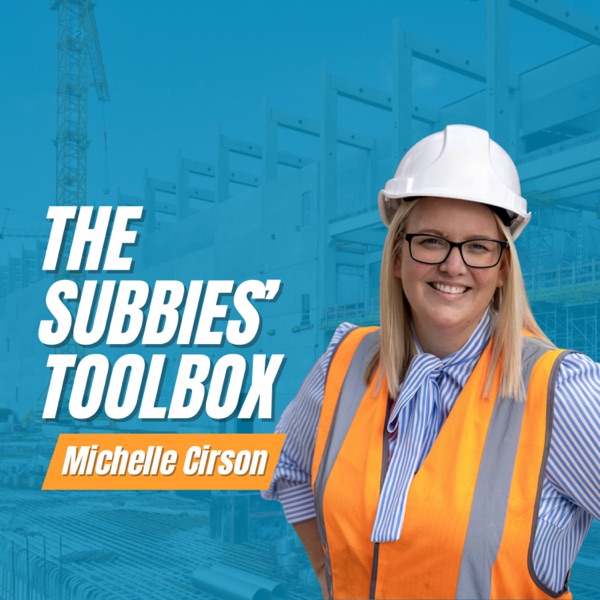
The Subbies Toolbox Podcast is for Australian commercial subcontractors who want to understand the real rules of construction and stop being worn down by outdated systems and one-sided contracts. Hosted by Michelle Cirson, a construction lawyer, adjudicator and former builder contracts administrator, this podcast calls out industry norms that no longer make sense and explains how subcontractors can navigate them with clarity and confidence. Michelle explores topics like contract risk, power imbalances, commercial leverage and smarter ways to work within the system while pushing for better outcomes across the industry. Season 2 marks the evolution of the podcast from Tricks of Your Trade into The Subbies Toolbox, with a sharper focus on education, systems, and advocacy that help subcontractors stay out of disputes and in control of their businesses. New episodes are released weekly. www.subbiestoolbox.com.au
On the charts
Every published chart this podcast appears in, in the snapshot behind this page. Each one links to the chart it came off.
The Mato Topic Intelligence Platform does not report this podcast as charting in a published category in this snapshot.
From the feed
The latest episodes published to this podcast’s own RSS feed. Titles and descriptions are the publisher’s.
What happens when proving you're right ends up costing more than the dispute itself? In this episode of The Subbies Toolbox Podcast, Michelle Cirson explores the real cost of fighting "on principle" and why taking the emotion out of a dispute can often lead to better commercial outcomes. Using a high-profile legal case and a real construction dispute involving millions of dollars, Michelle explains how emotionally driven decisions can distract subcontractors from the processes that actually protect their cashflow and legal position. In this episode, you'll learn: Why fighting on principle isn't always the best commercial decision How emotion can cloud your judgement during payment disputes Why builders and subcontractors often make decisions from very different commercial positions The risks of letting frustration derail your Security of Payment strategy How an Accounts Receivable Escalation Procedure can help you make better decisions under pressure If you've ever found yourself saying, "It's the principle of it," this episode will help you take a step back, think strategically and focus on protecting your business. Resources Tired of builders pushing you around? Arm yourself with the Subbies' Toolbox Membership Want to negotiate better contract terms? Explore Negotiation School Get Free Checklists, Templates and guides here www.subbiestoolbox.com.au Get Your Fix on Social Media Follow Michelle on Linked In - HERE Follow Michelle on Instagram - HERE Follow Michelle on Facebook - HERE Rate and Review the Podcast If you like what you’re hearing on The Subbies’ Toolbox Podcast, support the show by taking a few seconds to leave a rating and/or comment on ApplePodcast, or Spotify Thanks! About the Host Michelle Cirson is construction lawyer, adjudicator and former commercial builder’s CA who now works exclusively with Australian subcontractors. She helps commercial subcontractors manage their builders’ contracts and get paid on time, without losing jobs and blowing up builder relationships. Michelle is the founder of The Subbies Toolbox Membership. If you want to understand how this system actually works and where subcontractors tend to get caught out, you’ll find more resources at www.subbiestoolbox.com.au
This week on The Subbies Toolbox Podcast, Michelle shares the story behind a social media post that sparked plenty of debate across the construction industry. Drawing on her years working inside builder organisations as a Contract Administrator, Michelle opens up about mistakes she made, decisions she witnessed, and the uncomfortable truth about relying on builder staff to protect your business. If you've ever believed that having a good relationship with the builder's CA, Project Manager or Commercial Manager will keep you safe, this episode challenges that thinking. Michelle explains why staff inside building companies have their own pressures, priorities and incentives, and why your business can't depend on someone else's decision-making. In this episode you'll learn: Why good relationships don't guarantee good commercial outcomes What really influences builder staff when they're making decisions The danger of underpricing work and expecting someone else to stop you How progress claims can hide serious cash flow problems What radical accountability actually looks like for subcontractors The biggest lesson is simple. No one inside a builder's office is more responsible for your profitability than you are. If you want a stronger subcontracting business, your systems, pricing and financial decisions need to stand on their own. Download our free guide: How to Claim Cost Increases Under Fixed Price Contracts https://www.subbiestoolbox.com.au/cost Resources Tired of builders pushing you around? Arm yourself with the Subbies' Toolbox Membership Want to negotiate better contract terms? Explore Negotiation School Get Free Checklists, Templates and guides here www.subbiestoolbox.com.au Get Your Fix on Social Media Follow Michelle on Linked In - HERE Follow Michelle on Instagram - HERE Follow Michelle on Facebook - HERE Rate and Review the Podcast If you like what you’re hearing on The Subbies’ Toolbox Podcast, support the show by taking a few seconds to leave a rating and/or comment on ApplePodcast, or Spotify Thanks! About the Host Michelle Cirson is construction lawyer, adjudicator and former commercial builder’s CA who now works exclusively with Australian subcontractors. She helps commercial subcontractors manage their builders’ contracts and get paid on time, without losing jobs and blowing up builder relationships. Michelle is the founder of The Subbies Toolbox Membership. If you want to understand how this system actually works and where subcontractors tend to get caught out, you’ll find more resources at www.subbiestoolbox.com.au
This week on The Subbies Toolbox Podcast, I'm talking about a topic that catches a lot of Aussie Subbies out when cashflow gets tight: debt collectors. When a builder isn't paying, bringing in a debt collector can feel like the obvious next step. But before you hand over 18% to 25% of your debt, there are a few things you need to know. In this episode, I explain how debt collectors actually operate, why they often aren't the best option for Australian Subcontractors, and how they can accidentally interfere with your ability to use Security of Payment legislation. We also unpack the difference between a letter of demand and a compliant payment claim, why so many businesses are relying on outdated debt recovery systems, and how a proper accounts receivable escalation procedure can dramatically improve your chances of getting paid. In this episode: • How debt collectors make their money • The hidden risks of debt collection agreements • Why letters of demand often achieve very little • Common mistakes subcontractors make with payment claims • How Security of Payment laws can help you recover money faster • The importance of a compliant accounts receivable escalation procedure • What Aussie Subbies should do before engaging a debt collector Resources Tired of builders pushing you around? Arm yourself with the Subbies' Toolbox Membership Want to negotiate better contract terms? Explore Negotiation School Get Free Checklists, Templates and guides here www.subbiestoolbox.com.au Get Your Fix on Social Media Follow Michelle on Linked In - HERE Follow Michelle on Instagram - HERE Follow Michelle on Facebook - HERE Rate and Review the Podcast If you like what you’re hearing on The Subbies’ Toolbox Podcast, support the show by taking a few seconds to leave a rating and/or comment on ApplePodcast, or Spotify Thanks! About the Host Michelle Cirson is construction lawyer, adjudicator and former commercial builder’s CA who now works exclusively with Australian subcontractors. She helps commercial subcontractors manage their builders’ contracts and get paid on time, without losing jobs and blowing up builder relationships. Michelle is the founder of The Subbies Toolbox Membership. If you want to understand how this system actually works and where subcontractors tend to get caught out, you’ll find more resources at www.subbiestoolbox.com.au
This week on The Subbies Toolbox Podcast, I'm unpacking one of the most frustrating situations subcontractors face in commercial construction. What happens when a builder tells you they can't pay? More importantly, what happens when they offer you a deal instead? After a recent conversation with excavation contractor Jimmy Starbuck, I found myself reflecting on a story that will sound familiar to many Aussie subbies. A developer convinced multiple subcontractors and suppliers to keep working despite not being paid, relying on the promise that everyone would get looked after at the end. It raises an important question. When a builder says they're going broke, should you believe them? In this episode, I explain how deeds of release are commonly used to settle debts, the warning signs subcontractors should be watching for, and why relying on the insolvency system as your safety net is rarely a winning strategy. We also talk about trade credit insurance, accounts receivable escalation procedures, and how to position yourself so you're making decisions from a place of strength instead of fear. In this episode: What a deed of release actually does Why builders use debt settlement deals The psychology behind "I'll go broke if you push me" The dangers of waiting until the end of a project How communication between subcontractors changes the game Trade credit insurance pitfalls you need to know Why every subbie needs an accounts receivable escalation procedure Resources Tired of builders pushing you around? Arm yourself with the Subbies' Toolbox Membership Want to negotiate better contract terms? Explore Negotiation School Get Free Checklists, Templates and guides here www.subbiestoolbox.com.au Get Your Fix on Social Media Follow Michelle on Linked In - HERE Follow Michelle on Instagram - HERE Follow Michelle on Facebook - HERE Rate and Review the Podcast If you like what you’re hearing on The Subbies’ Toolbox Podcast, support the show by taking a few seconds to leave a rating and/or comment on ApplePodcast, or Spotify Thanks! About the Host Michelle Cirson is construction lawyer, adjudicator and former commercial builder’s CA who now works exclusively with Australian subcontractors. She helps commercial subcontractors manage their builders’ contracts and get paid on time, without losing jobs and blowing up builder relationships. Michelle is the founder of The Subbies Toolbox Membership. If you want to understand how this system actually works and where subcontractors tend to get caught out, you’ll find more resources at www.subbiestoolbox.com.au
This week on The Subbies Toolbox Podcast, Michelle breaks down how subcontractors are successfully getting paid deposits for offsite goods without handing over bank guarantees. From lift subcontractors and structural steel, through to specialist imported equipment, this episode unpacks the commercial logic builders actually respond to when negotiating deposits. Michelle explains why bank guarantees often don’t solve the real problem for builders anyway, and how smart subcontractors are using deeds of ownership, PPS registrations, insurance arrangements and logic-based assurances to protect both parties while improving cashflow. If you’ve ever been told “we can only pay a deposit if you give us a bank guarantee”, this episode will help you understand the alternatives and how to pitch them properly. In this episode: Why builders ask for bank guarantees in the first place How deposits can protect projects from supply chain delays What deeds of ownership for unfixed offsite goods actually do How PPS registrations protect builders and subcontractors The smarter commercial approach to negotiating deposits Why fixed price contracts without deposits can be dangerous in volatile markets Resources Tired of builders pushing you around? Arm yourself with the Subbies' Toolbox Membership Want to negotiate better contract terms? Explore Negotiation School Get Free Checklists, Templates and guides here www.subbiestoolbox.com.au Free Download - How to Claim Cost Increases Under a Fixed Price Contract Get Your Fix on Social Media Follow Michelle on Linked In - HERE Follow Michelle on Instagram - HERE Follow Michelle on Facebook - HERE Rate and Review the Podcast If you like what you’re hearing on The Subbies’ Toolbox Podcast, support the show by taking a few seconds to leave a rating and/or comment on ApplePodcast, or Spotify Thanks! About the Host Michelle Cirson is construction lawyer, adjudicator and former commercial builder’s CA who now works exclusively with Australian subcontractors. She helps commercial subcontractors manage their builders’ contracts and get paid on time, without losing jobs and blowing up builder relationships. Michelle is the founder of The Subbies Toolbox Membership. If you want to understand how this system actually works and where subcontractors tend to get caught out, you’ll find more resources at www.subbiestoolbox.com.au
This week on The Subbies Toolbox Podcast, Michelle Cirson breaks down one of the most misunderstood contract models in Commercial Construction — schedule of rates contracts. At face value, these contracts can look flexible and straightforward. But in reality, they can quietly lock Aussie Subbies into long-term obligations, outdated pricing, unclear project durations and impossible practical completion dates. Michelle shares real project examples from both builder-side and subcontractor-side experience to explain how schedule of rates contracts are being used across major civil and infrastructure projects, and the hidden risks subcontractors need to watch before signing. Inside this episode, we cover: How schedule of rates contracts actually work in practice The danger of unclear start and finish dates Outdated pricing and long-term project exposure Practical completion clauses that don’t make commercial sense Liquidated damages risks in undefined scopes of work Variation traps and mobilisation cost blowouts The difference between genuine schedule of rates work and lump sum contracts disguised as one If you’ve ever signed a schedule of rates contract assuming you were getting the whole project, this episode is worth a listen before your next negotiation. Resources Tired of builders pushing you around? Arm yourself with the Subbies' Toolbox Membership Want to negotiate better contract terms? Explore Negotiation School Free Download - How to Claim Cost Increases Under a Fixed Price Contract Get Your Fix on Social Media Follow Michelle on Linked In - HERE Follow Michelle on Instagram - HERE Follow Michelle on Facebook - HERE Rate and Review the Podcast If you like what you’re hearing on The Subbies’ Toolbox Podcast, support the show by taking a few seconds to leave a rating and/or comment on ApplePodcast, or Spotify Thanks! About the Host Michelle Cirson is construction lawyer, adjudicator and former commercial builder’s CA who now works exclusively with Australian subcontractors. She helps commercial subcontractors manage their builders’ contracts and get paid on time, without losing jobs and blowing up builder relationships. Michelle is the founder of The Subbies Toolbox Membership. If you want to understand how this system actually works and where subcontractors tend to get caught out, you’ll find more resources at www.subbiestoolbox.com.au
This week on The Subbies Toolbox Podcast, I’m unpacking one of the most misunderstood insurance clauses in commercial construction contracts: Contract Works Insurance. If your builder has asked you to hold this policy and you’ve nodded along without really knowing what it covers, you are definitely not alone. In this episode, I explain what Contract Works Insurance actually is, how it interacts with “care of the works” clauses in your subcontract, and why more builders are trying to shift this risk downstream onto subcontractors. We talk through real examples across different trades including waterproofing, electrical, formwork, cranes, ceilings and partitions, joinery and fire services, so you can start making commercial sense of whether this insurance even applies to your trade in the first place. I also break down the difference between Contract Works Insurance and Public Liability Insurance, how builders use these clauses to avoid paying excesses under their own policies, and the contract mark-ups we use inside The Subbies Toolbox Membership to help subbies push back properly. In this episode we cover: • What Contract Works Insurance actually covers • Which trades are most exposed under these clauses • The dangerous “care of the works” wording hidden in builder contracts • Accepted risks clauses and what should be added to them • The difference between Contract Works and Public Liability Insurance • How stolen materials and damaged work often trigger disputes • Practical contract mark-ups to better protect your business If you’ve ever signed a subcontract without properly understanding the insurance section, this episode will help you read these clauses with a completely different lens moving forward. Resources Join The Subbies Toolbox Membership before 30 June 2026 and save $2600 on annual membership using coupon code EOFY-2026. Want to negotiate better contract terms? Explore Negotiation School Get Free Checklists, Templates and guides here www.subbiestoolbox.com.au Get Your Fix on Social Media Follow Michelle on Linked In - HERE Follow Michelle on Instagram - HERE Follow Michelle on Facebook - HERE Rate and Review the Podcast If you like what you’re hearing on The Subbies’ Toolbox Podcast, support the show by taking a few seconds to leave a rating and/or comment on ApplePodcast, or Spotify Thanks! About the Host Michelle Cirson is construction lawyer, adjudicator and former commercial builder’s CA who now works exclusively with Australian subcontractors. She helps commercial subcontractors manage their builders’ contracts and get paid on time, without losing jobs and blowing up builder relationships. Michelle is the founder of The Subbies Toolbox Membership. If you want to understand how this system actually works and where subcontractors tend to get caught out, you’ll find more resources at www.subbiestoolbox.com.au
This week on The Subbies Toolbox Podcast, Michelle pulls back the curtain on the EOFY payment schedule tactics builders use to make their financial position look healthier than it really is. After years working as a builder’s CA, Michelle shares the real-world strategies she saw used inside building companies to value down subcontractor claims, delay retentions, ignore variations and manufacture backcharges in the lead-up to 30 June. This episode is a practical breakdown of the smoke signals subcontractors should be watching for in their payment schedules every single month. Michelle explains: • Why ignored variations are a massive red flag • How builders strategically value down progress claims • The difference between genuine backcharges and “money grab” deductions • Why retentions suddenly become difficult to recover at EOFY • How bank guarantees can become low-hanging fruit when builders are under pressure • Why predictable accounts receivable systems protect subbies better than aggressive reactions If you’ve ever had a builder suddenly start acting strange around payment claims in May or June, this episode will help you understand what may actually be happening behind the scenes. Resources Join The Subbies Toolbox Membership before 30 June 2026 and save $2600 on annual membership using coupon code EOFY-2026. Want to negotiate better contract terms? Explore Negotiation School Free Download - How to Claim Cost Increases Under a Fixed Price Contract Get Your Fix on Social Media Follow Michelle on Linked In - HERE Follow Michelle on Instagram - HERE Follow Michelle on Facebook - HERE Rate and Review the Podcast If you like what you’re hearing on The Subbies’ Toolbox Podcast, support the show by taking a few seconds to leave a rating and/or comment on ApplePodcast, or Spotify Thanks! About the Host Michelle Cirson is construction lawyer, adjudicator and former commercial builder’s CA who now works exclusively with Australian subcontractors. She helps commercial subcontractors manage their builders’ contracts and get paid on time, without losing jobs and blowing up builder relationships. Michelle is the founder of The Subbies Toolbox Membership. If you want to understand how this system actually works and where subcontractors tend to get caught out, you’ll find more resources at www.subbiestoolbox.com.au
This week on The Subbies Toolbox Podcast, I’m talking about something a lot of subcontractors overlook until it goes horribly wrong: purchase order terms and conditions. If you’ve ever paid a deposit for materials, equipment or specialist gear and crossed your fingers hoping everything turns up on time, this episode is for you. I walk through real stories from commercial subcontractors who found themselves exposed after handing over serious money with nothing in writing. From suppliers disappearing, to third-party fabricators holding equipment ransom, to builders breathing down your neck while you wait for critical materials to arrive, these situations happen more often than you think. We also talk about: Why builders are nervous about paying deposits How purchase order terms protect your cashflow The role of PPS registrations in securing your rights The risks hidden inside supply chains Why even small purchases should go through a proper system Most subbies focus heavily on the contracts builders give them, but not enough attention gets paid to the contracts and systems subbies use when buying things themselves. This episode is all about tightening up that gap before it becomes an expensive lesson. If you’re serious about protecting your business commercially, this one’s worth a listen. Resources Tired of builders pushing you around? Arm yourself with the Subbies' Toolbox Membership Want to negotiate better contract terms? Explore Negotiation School Get Free Checklists, Templates and guides here www.subbiestoolbox.com.au Get Your Fix on Social Media Follow Michelle on Linked In - HERE Follow Michelle on Instagram - HERE Follow Michelle on Facebook - HERE Rate and Review the Podcast If you like what you’re hearing on The Subbies’ Toolbox Podcast, support the show by taking a few seconds to leave a rating and/or comment on ApplePodcast, or Spotify Thanks! About the Host Michelle Cirson is construction lawyer, adjudicator and former commercial builder’s CA who now works exclusively with Australian subcontractors. She helps commercial subcontractors manage their builders’ contracts and get paid on time, without losing jobs and blowing up builder relationships. Michelle is the founder of The Subbies Toolbox Membership. If you want to understand how this system actually works and where subcontractors tend to get caught out, you’ll find more resources at www.subbiestoolbox.com.au
As we roll toward the end of financial year, builders across Australia are pushing hard to lock subcontractors into contracts before June 30. And if you’re an Aussie subbie in Commercial Construction, this is the exact window where things can go pear shaped if you’re not careful. This week on The Subbies Toolbox Podcast, Michelle Cirson breaks down the EOFY Contract Review Runway and explains why builders suddenly become more urgent, more negotiable, and sometimes more dangerous during May and June. Michelle shares what’s really happening behind the scenes inside builder businesses at EOFY, why contract reviews spike every year during this period, and how subcontractors can use this pressure point to negotiate better terms instead of blindly signing fixed price contracts that could sink margins later. If you’re feeling pressure to lock work in before EOFY, this episode will help you slow down, think commercially, and protect your business properly before signing anything. Resources Join The Subbies Toolbox Membership as an annual member before 30 June 2026 and save $2600 using coupon code ‘EOFY-2026’. Want to negotiate better contract terms? Explore Negotiation School Get Free Checklists, Templates and guides here www.subbiestoolbox.com.au Get Your Fix on Social Media Follow Michelle on Linked In - HERE Follow Michelle on Instagram - HERE Follow Michelle on Facebook - HERE Rate and Review the Podcast If you like what you’re hearing on The Subbies’ Toolbox Podcast, support the show by taking a few seconds to leave a rating and/or comment on ApplePodcast, or Spotify Thanks! About the Host Michelle Cirson is construction lawyer, adjudicator and former commercial builder’s CA who now works exclusively with Australian subcontractors. She helps commercial subcontractors manage their builders’ contracts and get paid on time, without losing jobs and blowing up builder relationships. Michelle is the founder of The Subbies Toolbox Membership. If you want to understand how this system actually works and where subcontractors tend to get caught out, you’ll find more resources at www.subbiestoolbox.com.au
In this episode, Michelle shares three practical ways to shorten your departure schedule and make it easier for builders to actually engage with your proposed changes. If you’ve ever had a departure schedule completely knocked back or ignored, you’ll know how frustrating it can be. The longer and more complicated it gets, the less likely it is to be properly considered and that usually means you’re stuck signing something that doesn’t protect your business. This episode is about cutting through that. Michelle breaks down how to prioritise your departures, how to frame them in a way builders are more likely to accept, and how to avoid turning a commercial conversation into a stalemate. If you want better outcomes without blowing up relationships, this is a good place to start. Resources Tired of builders pushing you around? Arm yourself with the Subbies' Toolbox Membership Want to negotiate better contract terms? Explore Negotiation School Get Free Checklists, Templates and guides here www.subbiestoolbox.com.au Get Your Fix on Social Media Follow Michelle on Linked In - HERE Follow Michelle on Instagram - HERE Follow Michelle on Facebook - HERE Rate and Review the Podcast If you like what you’re hearing on The Subbies’ Toolbox Podcast, support the show by taking a few seconds to leave a rating and/or comment on ApplePodcast, or Spotify Thanks! About the Host Michelle Cirson is construction lawyer, adjudicator and former commercial builder’s CA who now works exclusively with Australian subcontractors. She helps commercial subcontractors manage their builders’ contracts and get paid on time, without losing jobs and blowing up builder relationships. Michelle is the founder of The Subbies Toolbox Membership. If you want to understand how this system actually works and where subcontractors tend to get caught out, you’ll find more resources at www.subbiestoolbox.com.au
Ep#6 – Material Price Increases v Fixed Price Contracts Material price increases are back in the construction industry and subcontractors everywhere are starting to feel that familiar knot in their stomach again. This week on The Subbies Toolbox Podcast, Michelle Cirson dives into the reality of fixed price contracts during periods of economic instability, fuel increases and supplier price hikes. After years of dealing with the fallout from COVID-era pricing blowouts, many Aussie Subbies thought the worst was behind them. But suppliers are once again sending out increase notices, builders are pushing for certainty, and subcontractors are being left exposed under fixed price contracts that no longer stack up commercially. In this episode, Michelle breaks down the practical and legal realities subcontractors need to understand right now, including: What you can and can’t do under existing fixed price contracts The risks of refusing work or walking away from a contract How standing offer arrangements and schedule of rates contracts can trap subbies for years The clauses you need to review immediately in your current contracts Practical off-ramps and strategies that may help protect your business How to structure future contracts to better manage volatile pricing The role provisional sums, separable portions and variation clauses can play moving forward The hidden risks of “good bloke” emails and casual conversations during uncertain times Michelle also shares practical strategies subcontractors can use during negotiations to avoid getting locked into long-term deals that could quickly become commercially dangerous. If you’re an Aussie Subbie working in Commercial Construction, this episode is an important reminder that rushing into contracts during uncertain times can have long-term consequences for your cashflow, margins and business survival. Resources Tired of builders pushing you around? Arm yourself with the Subbies' Toolbox Membership Want to negotiate better contract terms? Explore Negotiation School Get Free Checklists, Templates and guides here www.subbiestoolbox.com.au Get Your Fix on Social Media Follow Michelle on Linked In - HERE Follow Michelle on Instagram - HERE Follow Michelle on Facebook - HERE Rate and Review the Podcast If you like what you’re hearing on The Subbies’ Toolbox Podcast, support the show by taking a few seconds to leave a rating and/or comment on ApplePodcast, or Spotify Thanks! About the Host Michelle Cirson is construction lawyer, adjudicator and former commercial builder’s CA who now works exclusively with Australian subcontractors. She helps commercial subcontractors manage their builders’ contracts and get paid on time, without losing jobs and blowing up builder relationships. Michelle is the founder of The Subbies Toolbox Membership. If you want to understand how this system actually works and where subcontractors tend to get caught out, you’ll find more resources at www.subbiestoolbox.com.au
AI is starting to show up everywhere in construction, including contract reviews. For subcontractors working in commercial construction, that can sound like a huge time saver. But it also introduces risks that many people don’t realise. In this episode of The Subbies Toolbox Podcast, Michelle Cirson shares practical insights from reviewing hundreds of construction contracts and explains where AI can genuinely help subcontractors, and where it can quietly lead them into trouble. Michelle walks through some real examples of how AI can misunderstand prompts, miss important contract risks, or frame your thinking about a deal before you’ve even assessed it properly yourself. Most importantly, she explains how subcontractors can use AI as a tool rather than a decision-maker when reviewing builders’ contracts. If you’re starting to experiment with AI in your business, this episode will help you use it wisely while still protecting your commercial interests. This episode explores: The risks of uploading contract documents into AI tools Why AI can misinterpret prompts during contract reviews The danger of letting AI frame your view of a deal How subcontractors can use AI to locate key clauses in contracts Why context, risk appetite and trade knowledge still matter in contract negotiations Practical ways to approach contract risk before generating a departure schedule Michelle also explains the hierarchy of contract risk controls and how subcontractors can use it to decide whether a clause needs negotiation, adjustment to scope, or whether the project risk is simply too high. Resources Get the Business Risk Checklist (Free Download) https://www.subbiestoolbox.com.au/risk Tired of builders pushing you around? Arm yourself with the Subbies' Toolbox Membership Want to negotiate better contract terms? Explore Negotiation School Get Free Checklists, Templates and guides here www.subbiestoolbox.com.au . Get Your Fix on Social Media Follow Michelle on Linked In - https://www.linkedin.com/in/michellecirson/ Follow Michelle on Instagram - https://www.instagram.com/subbiestoolbox/ Follow Michelle on Facebook - https://www.facebook.com/tricksofyourtrade Rate and Review the Podcast If you like what you’re hearing on The Subbies’ Toolbox Podcast , support the show by taking a few seconds to leave a rating and/or comment on ApplePodcast , or Spotify Thanks! About the Host Michelle Cirson is construction lawyer, adjudicator and former commercial builder’s CA who now works exclusively with Australian subcontractors. She helps commercial subcontractors manage their builders’ contracts and get paid on time, without losing jobs and blowing up builder relationships. Michelle is the founder of The Subbies Toolbox Membership. If you want to understand how this system actually works and where subcontractors tend to get caught out, you’ll find more resources at www.subbiestoolbox.com.au .
This week on The Subbies Toolbox Podcast, we’re talking about unfair contract terms laws and whether the changes brought in during 2023 have actually made things better for subcontractors. On paper, these laws look like a big win. There are serious penalties now for companies that include unfair terms in their contracts. But in practice, things aren’t always that simple. Most subcontractors are still being handed standard form contracts on a take it or leave it basis. And the reality is, many of the clauses in those contracts still heavily favour the builder or upstream party. So the real question isn’t whether the laws exist. It’s whether they’re actually changing behaviour on the ground. In this episode, I walk through what’s really happening in the industry, what I’m seeing in negotiations every day, and where these laws are starting to make a difference. We also unpack some of the more questionable contract practices that are still floating around, including early payment discounts and how they actually work behind the scenes. If you’re signing contracts regularly, this is something you need to understand. Not from a legal theory perspective, but from a practical, commercial one. Get the Business Risk Checklist (Free Download) https://www.subbiestoolbox.com.au/risk Resources Tired of builders pushing you around? Arm yourself with the Subbies' Toolbox Membership Want to negotiate better contract terms? Explore Negotiation School Get Free Checklists, Templates and guides here www.subbiestoolbox.com.au . Get Your Fix on Social Media Follow Michelle on Linked In - https://www.linkedin.com/in/michellecirson/ Follow Michelle on Instagram - https://www.instagram.com/subbiestoolbox/ Follow Michelle on Facebook - https://www.facebook.com/tricksofyourtrade Rate and Review the Podcast If you like what you’re hearing on The Subbies’ Toolbox Podcast , support the show by taking a few seconds to leave a rating and/or comment on ApplePodcast , or Spotify Thanks! About the Host Michelle Cirson is construction lawyer, adjudicator and former commercial builder’s CA who now works exclusively with Australian subcontractors. She helps commercial subcontractors manage their builders’ contracts and get paid on time, without losing jobs and blowing up builder relationships. Michelle is the founder of The Subbies Toolbox Membership. If you want to understand how this system actually works and where subcontractors tend to get caught out, you’ll find more resources at www.subbiestoolbox.com.au
In this episode, Michelle explains why Inspection Test Plans (ITPs) are one of the most overlooked tools subcontractors have to protect themselves on commercial construction projects. Many subbies see ITPs as just paperwork. Something the builder asks for that ends up sitting in a folder no one ever looks at. But when payment disputes happen, when projects go sideways, or when builders start questioning your work, ITPs can become some of the most powerful evidence you have. Michelle shares real cases where subcontractors lost hundreds of thousands of dollars simply because they could not prove what had been delivered or completed on site. She also explains how a simple, systematic approach to ITPs can protect your business and help you get paid. This episode also looks at how poor record keeping can backfire if ITPs are completed incorrectly or treated as a box-ticking exercise. If you work in commercial construction, this is one of the simplest risk management systems you can implement in your business. Get the Business Risk Checklist (Free Download) https://www.subbiestoolbox.com.au/risk Resources Tired of builders pushing you around? Arm yourself with the Subbies' Toolbox Membership Want to negotiate better contract terms? Explore Negotiation School Get Free Checklists, Templates and guides here www.subbiestoolbox.com.au . Get Your Fix on Social Media Follow Michelle on Linked In - https://www.linkedin.com/in/michellecirson/ Follow Michelle on Instagram - https://www.instagram.com/subbiestoolbox/ Follow Michelle on Facebook - https://www.facebook.com/tricksofyourtrade Rate and Review the Podcast If you like what you’re hearing on The Subbies’ Toolbox Podcast , support the show by taking a few seconds to leave a rating and/or comment on ApplePodcast , or Spotify Thanks! About the Host Michelle Cirson is construction lawyer, adjudicator and former commercial builder’s CA who now works exclusively with Australian subcontractors. She helps commercial subcontractors manage their builders’ contracts and get paid on time, without losing jobs and blowing up builder relationships. Michelle is the founder of The Subbies Toolbox Membership. If you want to understand how this system actually works and where subcontractors tend to get caught out, you’ll find more resources at www.subbiestoolbox.com.au .
In this episode of The Subbies Toolbox Podcast, Michelle breaks down one of the most overlooked risk areas for commercial subcontractors: purchase order terms and conditions. Drawing on real experiences from legal disputes in the commercial construction industry, Michelle explains how many payment disputes actually start much earlier in a project. Small gaps in documentation, supplier agreements, or purchasing processes can quickly escalate into major financial problems. Michelle shares practical stories from subcontractors who found themselves exposed because there was nothing in writing when purchasing specialist equipment or engaging suppliers. If you want to protect your subcontracting business, this episode explains why purchase order terms and conditions should be one of the first contracts you implement. Get the Business Risk Checklist (Free Download) https://www.subbiestoolbox.com.au/risk Resources Get the Business Risk Checklist (Free Download) https://www.subbiestoolbox.com.au/risk Tired of builders pushing you around? Arm yourself with the Subbies' Toolbox Membership Want to negotiate better contract terms? Explore Negotiation School Get Free Checklists, Templates and guides here www.subbiestoolbox.com.au . Get Your Fix on Social Media Follow Michelle on Linked In - https://www.linkedin.com/in/michellecirson/ Follow Michelle on Instagram - https://www.instagram.com/subbiestoolbox/ Follow Michelle on Facebook - https://www.facebook.com/tricksofyourtrade Rate and Review the Podcast If you like what you’re hearing on The Subbies’ Toolbox Podcast , support the show by taking a few seconds to leave a rating and/or comment on ApplePodcast , or Spotify Thanks! About the Host Michelle Cirson is construction lawyer, adjudicator and former commercial builder’s CA who now works exclusively with Australian subcontractors. She helps commercial subcontractors manage their builders’ contracts and get paid on time, without losing jobs and blowing up builder relationships. Michelle is the founder of The Subbies Toolbox Membership. If you want to understand how this system actually works and where subcontractors tend to get caught out, you’ll find more resources at www.subbiestoolbox.com.au .
Welcome to Season 2 and the first episode of The Subbies Toolbox Podcast. If you’re a commercial subcontractor working for builders in Australia, this podcast is for you. In this episode, I explain why the podcast has evolved from Tricks of Your Trade into the Subbies Toolbox, who I am, and why most subcontractor problems can be avoided long before anyone needs to go near a courtroom. We talk honestly about why construction contracts don’t operate on common sense, how the system is designed to default in the builder’s favour, and why subcontractors need a systematic approach to help them get through business life unscathed. Resources Tired of builders pushing you around? Arm yourself with the Subbies' Toolbox Membership Want to negotiate better contract terms? Explore Negotiation School Get Free Checklists, Templates and guides here www.subbiestoolbox.com.au . Get Your Fix on Social Media Follow Michelle on Linked In - https://www.linkedin.com/in/michellecirson/ Follow Michelle on Instagram - https://www.instagram.com/subbiestoolbox/ Follow Michelle on Facebook - https://www.facebook.com/tricksofyourtrade Rate and Review the Podcast If you like what you’re hearing on The Subbies’ Toolbox Podcast , support the show by taking a few seconds to leave a rating and/or comment on ApplePodcast , or Spotify Thanks! About the Host Michelle Cirson is construction lawyer, adjudicator and former commercial builder’s CA who now works exclusively with Australian subcontractors. She helps commercial subcontractors manage their builders’ contracts and get paid on time, without losing jobs and blowing up builder relationships. Michelle is the founder of The Subbies Toolbox Membership. If you want to understand how this system actually works and where subcontractors tend to get caught out, you’ll find more resources at www.subbiestoolbox.com.au .
This is the final episode of the Tricks of Your Trade podcast. In this episode, I explain why the podcast name is changing, how the business has evolved and what that means for you as a subcontractor working in commercial construction. I share the story behind how Tricks of Your Trade started, from my time as a builder’s CA through to becoming a solicitor, building The Subbies Toolbox and shifting away from done-for-you contract admin into education, systems and advocacy that will actually move the needle for subbies. I talk openly about why the Tricks of Your Trade brand no longer reflects the professional services we now provide, and why our brand positioning matters if we want subcontractors to be taken seriously by builders, regulators, and government. This episode also outlines what’s coming next, including a renewed focus on industry reform, unfair contract terms, trust account failures and using bigger platforms to push for change that benefits subcontractors long term. Key Takeaways Why the Tricks of Your Trade brand no longer fits the work we do today How The Subbies Toolbox evolved from a USB stick of templates into a full support system What’s changing with the podcast and what’s staying the same Where advocacy, education and industry reform fit next About the Host Michelle Cirson is construction lawyer , adjudicator and former commercial builder’s CA who now works exclusively with Australian subcontractors. She helps commercial subcontractors manage their builders’ contracts and get paid on time , without losing jobs and blowing up builder relationships. Michelle is the founder of The Subbies Toolbox Membership. ------------------------------------------------------------------ Download Michelle's Freebies! 10 Changes to Make to Your Builders Contract ; A Guide For Subcontractors Explore ways to get more of Michelle in your world Book a Free Scoping Call with Michelle Want to negotiate better contract terms? Explore Negotiation School (4 Week Course) Tired of builders pushing you around? Arm yourself with the Subbies Toolbox Get Your fix on Social Media Follow Michelle on Linked In - https://www.linkedin.com/in/michellecirson/ Follow Michelle on Instagram - https://www.instagram.com/tricksofyourtrade Follow Michelle on Facebook - https://www.facebook.com/tricksofyourtrade Share the love If you like what you’re hearing on The Tricks of Your Trade Podcast , support the show by taking a few seconds to leave a rating and/or comment on ApplePodcast , or Spotify Thanks!
Liquidated damages are becoming a bigger challenge for subcontractors, especially post-COVID. Builders are using them more aggressively, sometimes unfairly holding subcontractors responsible for delays they didn't cause—or even helped avoid. On today's episode of the Tricks of your Trade podcast I break down the key contract clauses you need to review to protect your business, including commencement dates, practical completion, qualifying causes of delay, and more. ----------------------------------------------------------------------------------- Download Michelle's Freebies! 10 Changes to Make to Your Builders Contract ; A Guide For Subcontractors Explore ways to get more of Michelle in your world Book a Free Scoping Call with Michelle Want to negotiate better contract terms? Explore Negotiation School (4 Week Course) Tired of builders pushing you around? Arm yourself with the Subbies Toolbox Get Your fix on Social Media Follow Michelle on Linked In - https://www.linkedin.com/in/michellecirson/ Follow Michelle on Instagram - https://www.instagram.com/tricksofyourtrade Follow Michelle on Facebook - https://www.facebook.com/tricksofyourtrade Share the love If you like what you’re hearing on The Tricks of Your Trade Podcast , support the show by taking a few seconds to leave a rating and/or comment on ApplePodcast , or Spotify Thanks!
Hi there! Today, I want to chat with you about something that trips up a lot of people in the construction industry—the Christmas shutdown period. While many industries keep rolling through the holidays, construction traditionally grinds to a halt, and that can lead to some unexpected headaches. In this episode of the Tricks of Your Trade podcast, I dive into the three key ways this downtime can cause trouble and give you some tips to keep you ahead of the game - From payment claims, to contract deadlines, or project delays. Christmas Shutdown Dates in Australia: QLD: 22 December to 10 January (Inclusive) NSW: 27 to 31 December (Inclusive) ACT: 27 to 31 December (Inclusive) VIC: No shutdown (Public holidays and weekends observed) SA: 27 to 31 December (Inclusive) NT: 25 December to 7 January (Inclusive) TAS: 27 to 31 December (Inclusive) ------------------------------------------------------------------ Download Michelle's Freebies! 10 Changes to Make to Your Builders Contract ; A Guide For Subcontractors Explore ways to get more of Michelle in your world Book a Free Scoping Call with Michelle Want to negotiate better contract terms? Explore Negotiation School (4 Week Course) Tired of builders pushing you around? Arm yourself with the Subbies Toolbox Get Your fix on Social Media Follow Michelle on Linked In - https://www.linkedin.com/in/michellecirson/ Follow Michelle on Instagram - https://www.instagram.com/tricksofyourtrade Follow Michelle on Facebook - https://www.facebook.com/tricksofyourtrade Share the love If you like what you’re hearing on The Tricks of Your Trade Podcast , support the show by taking a few seconds to leave a rating and/or comment on ApplePodcast , or Spotify Thanks!
Ranking source
Apple Podcasts rankings via the Mato Topic Intelligence Platform.
Observed September 19, 2026. Cached outside the daily freshness window; the positions keep the date they were taken on.
Apple and Apple Podcasts are trademarks of Apple Inc., registered in the U.S. and other countries.
Pairs with
Bring this source into Mato to read its transferable patterns, then turn them into an original show for your own audience.