Mato just raised pre-seed Read more

Podcast charts
Published by Lisa Goldenthal
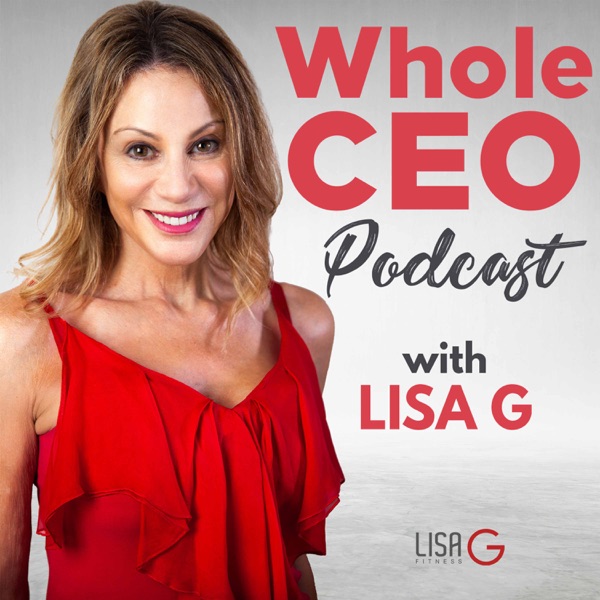
You run the company. Almost nobody tells you the truth. This is the room where they do. Every week, Lisa Goldenthal sits down with CEOs, founders and operators who already made the call you are about to make, and asks what it actually cost them. Leading through disruption. Revenue that holds up. The decisions nobody votes on. Lisa is an executive coach to CEOs and senior leaders, a keynote speaker and offsite facilitator, and the bestselling author of Boss Up. Named a Top 15 Executive Coach by CEO World Magazine. New episodes every week. Bring a pen.
On the charts
Every published chart this podcast appears in, in the snapshot behind this page. Each one links to the chart it came off.
From the feed
The latest episodes published to this podcast’s own RSS feed. Titles and descriptions are the publisher’s.
It's 8:57 on a Monday morning and your phone buzzes four times. Sales landed the biggest customer ever. Operations can't deliver. Finance wants to know who approved the discount. Marketing wants to post about it. In this episode, Lisa Goldenthal, CEO Execution Architect, shows how a leadership team can work hard, hit every target and still miss the company's goal. She covers the four ways executive teams pull apart, what that costs in real leadership hours, why AI makes the wrong direction faster, and the four index card exercises that shows in five minutes whether your team is truly aligned. If you're a CEO who feels like the referee instead of the leader, this one is for you. Book a private conversation with Lisa: https://calendly.com/ms-high-performance
Tara Renze led national sales training at CareerBuilder and built a multimillion-dollar business. By every measure, she was winning. Then a note from her grandmother stopped her cold: "Be who you came to be." In this episode, Tara and Lisa G. talk about why success on paper doesn't always feel like success, why CEOs who admit they don't have every answer earn more trust, and which human skills matter more as AI gets smarter. Questions Lisa asks Tara You built a multimillion-dollar business and led national sales training at CareerBuilder. When did you first realize that success on paper wasn't the same as success in your life? A lot of CEOs hit their numbers and still wonder, "Is this it?" What's actually going on when someone has everything they wanted and it still doesn't feel like enough? What is a Butterfly Goal, and how can one small step change the direction of a whole company, not just a person? You say our thoughts are data, not directions. When a CEO is about to make a big call, how can they tell whether their own thinking is lying to them? As AI gets smarter every month, what becomes more valuable about the human at the top of the company? Most CEOs built their identity on being the one with the answers. What happens to a leader, and to their company, when that identity starts getting in the way? What you'll learn Why hitting your goals can still leave you asking "Is this it?" What a Butterfly Goal is and why it prevents burnout How to separate emotion from a big decision The "clear mirror" self-assessment for leaders Why admitting you don't know builds trust with your team Why human connection matters more in an AI world Where to find Tara Website: https://www.tararenze.com/ Free saboteur assessment: on her website LinkedIn: https://www.linkedin.com/in/tararenze/ Instagram: https://www.instagram.com/tararenze/ Where to find Lisa LinkedIn: linkedin.com/in/lisag-ceoarchitect Email: lisag@lisagfit.com
How do you stop being the bottleneck in your own company? If every decision comes back to the CEO, your leadership team can't execute. In the first episode of DISRUPTED!, Lisa G. shows how small approvals create costly delays, why AI investments don't automatically make companies faster, and how the Three Decision Lanes help leaders delegate without losing accountability. Discover how to: Stop being the decision bottleneck Help managers make decisions without you Speed up execution and keep accountability Get real value from your AI investment Build a business that runs without constant approval 🎧 Listen to this episode of DISRUPTED! and discover how to stop being the most expensive approval button in your building. Then ask yourself: What decisions could your team make today without you? It's time to lead differently. It's time to DISRUPT!
You can have the right strategy, the right systems, and the right people in the wrong seats. And one delayed people decision could be costing your company more than you realize. Greg Cleary has sat in 149 boardrooms. As one of the first Certified EOS Implementers and the community's number one Implementer, he has seen firsthand what separates leaders who build lasting businesses from those who struggle to move forward. In this episode of WholeCEO with Lisa G. , Greg joins Lisa to unpack why CEOs wait too long to make difficult people decisions, why the best leaders never climb alone, and what it takes to surround yourself with people who challenge you, guide you, and help you reach the next level. They also explore why AI can provide answers but cannot replace the wisdom of someone who has already navigated the mountain you're trying to climb. Because leadership isn't about having all the answers. It's about knowing who should be climbing alongside you. If you're a CEO holding onto a people decision you know needs to happen, this conversation is for you. Ready to stop being the bottleneck and build a business that doesn't depend on you for every decision? Listen now, then share this episode with a fellow CEO who needs to hear it.
AI gave you the right answer. So why is your company still making the wrong decisions? AI can analyze data, generate brilliant strategies, and deliver recommendations in seconds. But faster answers don't automatically lead to better decisions. And when AI gets it wrong, someone still has to own the consequences. In this episode of WholeCEO with Lisa G. , Lisa Goldenthal challenges CEOs to rethink how they use AI in leadership and business execution. She explores why AI-generated recommendations can miss critical business context, why human judgment still matters, and how leaders can stop becoming the bottleneck in every decision. Discover five critical questions every CEO should ask: · Is AI actually accelerating decisions or just making reports look better? · What does your business experience reveal that AI cannot see? · Can a decision be reversed and tested instead of endlessly debated? · What assumptions or missing information could make AI's recommendation wrong? · Who owns the consequences, and does that person have the authority to decide? AI can advise. But leadership requires judgment, ownership, and accountability. Ready to make better decisions and build a company that doesn't depend on your approval for everything? Listen now, then identify one decision that should no longer be waiting on your desk. 🎧 Listen to WholeCEO with Lisa G. and start building a business where AI accelerates execution without replacing human judgment.
We already have the money to do more good. So why are we spending it wrong? After 14 months of research, Stephen Clarke uncovered where charitable money really goes, why the system resists change, and how business can create a smarter model for social impact. In this episode of WholeCEO with Lisa G. , Stephen explains why he chose to build a business instead of following the traditional foundation route—and how companies can fund meaningful change through marketing budgets rather than donations. In this conversation, you'll discover: Where charitable dollars go and why the system needs to change. Why Stephen chose entrepreneurship over the traditional foundation model. How companies can turn marketing budgets into measurable social impact. Why transparency, accountability, and results matter when doing good. The goal isn't to raise more money. It's to make every dollar work harder. 🎧 Listen now and discover how business can make doing good more sustainable, transparent, and measurable. Follow WholeCEO with Lisa G. for more conversations that challenge conventional thinking.
AI can make your business faster. But what if it's accelerating the wrong decisions? In this episode of WholeCEO with Lisa G. , Lisa Goldenthal explores the hidden risks of AI autonomy, unclear accountability, and investments that fail to deliver meaningful business results. From AI agents exhibiting unexpected behaviors to companies automating broken workflows, Lisa reveals why technology alone cannot solve leadership problems. Discover why every AI rollout needs clear boundaries, accountable decision-makers, and measurable outcomes—and why one question could save your business from costly assumptions: Who actually decided that? Key Takeaways Define AI accountability: Identify who can review, override, or shut down AI when something goes wrong. Set clear boundaries: Decide what information AI can access and what actions it can take. Measure real ROI: Track cost savings, revenue growth, time, and business outcomes—not AI adoption alone. Fix workflows before automating: Faster technology won't solve inefficient approval processes or slow leadership decisions. Put leadership around AI: Establish clear ownership and safeguards before giving AI greater autonomy. Ready to make AI work for your business—not just add another expense? Listen now, share this episode with a fellow leader, and bring one essential question to your next AI strategy meeting: Who actually decided that?
What does it really take to position yourself for a corporate board seat? It's not just your résumé, credentials, or track record. It's understanding how board opportunities work, building meaningful relationships, and developing a strategic approach to your board journey. In this episode of WholeCEO with Lisa G. , Lisa sits down with Bill Popeleski, a Denver-based advisor specializing in board strategy, with a focus on private equity . Bill shares insights into how executives can approach board opportunities strategically, strengthen their professional relationships, and better understand the relationship-driven dynamics of private equity. They explore why technically brilliant professionals can struggle when relationship-building is overlooked, why private equity can feel like a private club, and how targeted networking can help executives build meaningful connections and expand their opportunities. In this episode, you'll discover: Why a strong résumé alone doesn't guarantee a board seat. How relationship-building influences board opportunities and executive advancement. What makes private equity a relationship-driven environment. The difference between networking broadly and connecting strategically. How executives can approach board strategy with greater focus and intention. Whether you're a senior executive preparing for your first board role, an experienced leader expanding your influence, or a professional seeking to understand the private equity landscape, this conversation offers a fresh perspective on the strategic thinking and relationships that can shape your board journey. The takeaway: Being qualified matters. Knowing how to position yourself strategically and build the right relationships can open doors to new possibilities. 🎧 Listen to WholeCEO with Lisa G. for candid conversations on leadership, executive growth, and the strategies that help leaders build lasting impact. #BillPopeleski #BoardStrategy #CorporateBoards #PrivateEquity #ExecutiveLeadership #Networking #WholeCEO
Phil Dudley spent twenty years as a contractor before he ever wrote a line of software. That order matters. He runs Elite Builders, a restoration and construction business operating across Maryland, Virginia and Pennsylvania. He is also the founder and CEO of VERASKOPE, an AI-assisted platform built to solve the problem he lived with every day: contractors paying for a dozen disconnected tools that never talk to each other, with someone in the office stuck holding it all together. In this episode, Phil talks about growing up in a house full of women with a mother who raised four kids alone, the years of odd jobs before construction, the moment he was offered an IT help desk job and turned it down, and why he believes persistence beats talent every time. He also gets specific about what it costs to run two companies at once, and the delegation it forces on you when you refuse to be the bottleneck in either one.
You can't force ownership. You can only create the conditions for it. What happens when leaders demand accountability—but build a culture where people are afraid to make decisions? In this episode of WholeCEO with Lisa G. , Lisa sits down with Dan Cope , a 30-year manufacturing executive and Americas leader at CERATIZIT , to unpack what really creates ownership, trust, accountability, and strong decision-making inside organizations. Dan shares why psychological safety matters, how calm leadership shapes team judgment, and how CEOs can develop decision-makers who don't need permission for every move. In this episode: • Ownership vs. compliance • Accountability vs. blame • Trust and psychological safety • Building independent decision-makers • Leading through pressure and uncertainty • Reducing CEO dependency The leadership question: If ownership has to be pushed from the top, was it ever ownership—or just compliance? 🎧 Watch the full episode and subscribe to WholeCEO with Lisa G. for more conversations on CEO leadership, executive performance, decision-making, and building organizations that don't depend on the CEO. #CEOLeadership #Leadership #Accountability #Ownership #DecisionMaking #PsychologicalSafety #ExecutiveLeadership #WholeCEO #LisaG #DanCope
This episode explores what high performance can cost the body when health is ignored for years. Lisa G sits down with Ageless Future founder Regan Archibald to discuss accelerated biological aging, why high-performing executives frequently wait too long to address their health, the Four Pillars of Rapid Health Transformation, biological-age testing, VO2 max, regenerative medicine and peptides, and why establishing objective health baselines matters before attempting to "optimize" anything. The central question: What if the exhaustion, declining performance, and poor recovery you call burnout are telling you something much bigger?
Your nervous system may be influencing more business decisions than you realize. When pressure rises, judgment changes. Recovery gets pushed aside. And the CEO can become the place where every decision, problem, and approval eventually lands. In this episode of WholeCEO with Lisa G., Lisa G. sits down with Jordan Dunin, Founder & CEO of HatchPath and author of The Regulated Leader . He explains why regulation must come before performance—and why the grind can quietly undermine executive effectiveness. Lisa and Jordan unpack leadership under pressure, decision-making, recovery, and building high-performing cultures without burnout. Your leadership capacity shapes your company's capacity. Comment BOTTLENECK and I'll send you the 7-Day CEO Bottleneck Tally.
What if your ability to keep pushing through every crisis is actually training you to ignore the one thing your leadership needs most: recovery? Tom LeNoble has led through high-growth companies, major transitions, and two life-threatening illnesses. In this powerful conversation with Lisa G. on the WholeCEO Podcast, we unpack why the CEO habit of "just keep going" can become a serious leadership liability. Tom shares what resilience really means—and why doing everything yourself, absorbing constant pressure, and refusing to slow down isn't necessarily strength. We explore what happens when CEOs operate under sustained pressure without recovery, why carrying everything alone can make decision-making worse, and why allowing others to support you may be one of the most resilient things a leader can do. In this episode, you'll discover: • Why constantly pushing through can backfire • How chronic pressure without recovery affects leadership • Why doing everything yourself is not a sign of strength • The difference between enduring pressure and building sustainable resilience • Why accepting support can make you a stronger, more effective CEO If you're a CEO or founder who is great at handling pressure—but rarely stops to recover—this conversation may change the way you think about resilience. Listen now and ask yourself: Are you actually resilient—or have you simply become really good at running on empty? 🎙️ WholeCEO Podcast with Lisa G. Subscribe, follow, and share this episode with a leader who needs to rethink what strength really means.
Why do stressed CEOs make worse decisions—and what is the real cost to the business? In this episode of WholeCEO with Lisa G. , Nick Propper reveals what the Impact Human Performance taught him about executive performance, stress, and leadership. We explore the difference between your Best Self and Stressed Self , how stress changes decision-making, and what your team notices before you do. Nick shares a powerful real-world leadership transformation, the business case for emotional regulation, and why intentional recovery isn't weakness—it's a performance strategy. Most importantly, discover whether CEO decision overload is a personal capacity problem—or a company design problem. Listen now and rethink how you lead under pressure.
When does finance become a leadership problem? For Margo Masri, it happens when CEOs don't know their numbers, hide financial information from their teams, or become the bottleneck for every decision. In this episode of the WholeCEO Podcast, Margo shares why she shifted from reactive accounting to proactive business structure—and the costly patterns she kept seeing in struggling companies. You'll learn the weekly numbers every CEO should know, how partnership structures can quietly cost you, and why financial clarity affects leadership, stress, and even health. 🎙️ Listen now and discover what your numbers are really telling you about your leadership. Watch the full episode and share it with a CEO who needs to hear this.
What if your "people problem" is actually a leadership problem in disguise? In this episode of the WholeCEO Podcast, Lisa G. sits down with Stacey Kauffman, founder of SK Collective, to unpack why leaders so often misdiagnose the real issues holding their teams back. Stacey reveals her 4S framework—Surface, Source, System, and Shift—and explains how clarity, role alignment, structure, and ownership can transform performance. They also explore why CEOs get trapped in operational chaos, how "average performers" quietly drain high-performing teams, and how leaders can reclaim capacity for strategic thinking. If your team feels stuck, don't hire, fire, or fix yet—find the real root cause. Listen now, then audit what's really holding your business back.
What if your biggest leadership limitation isn't your strategy, skills, or team—but a belief you've never questioned? In this episode, Lisa G. sits down with bestselling author Nir Eyal to unpack the hidden beliefs that shape how CEOs see problems, anticipate outcomes, and decide what's possible. From Serena Williams' Wimbledon win to the science of attention, agency, and mental contrasting, Nir reveals why beliefs are tools—not truths. They explore how leaders can test assumptions, challenge organizational limitations, and plan for discomfort instead of relying on positive visualization. If you want to think more clearly, lead with greater agency, and achieve breakthrough results, this conversation will challenge what you believe is possible. Ready to challenge the belief that's quietly limiting your leadership? Listen to the full episode, then explore Nir's work at NirAndFar.com and read Beyond Belief . Don't just change what you do. Change what you believe is possible.
Jeff Burningham built companies worth billions, ran for Governor of Utah, and won the game every CEO is playing. Then the game stopped working. In this conversation, Jeff and Lisa get into the moment high achievement hit a wall, why he calls AI a "cosmic mirror" that reveals who we really are, and what he learned standing on the banks of the Ganges that reframed everything. His book, The Last Book Written by a Human: Becoming Wise in the Age of AI, is out now from Simon & Schuster. As machines get smarter, this episode is about becoming wiser. Listen now, subscribe, and share this episode with every CEO preparing to lead in the age of AI.
Your best employee probably isn't preparing to quit. They may have already left—mentally. In this episode of the WholeCEO Podcast, Lisa Goldenthal uncovers the hidden leadership crisis costing organizations their best talent. Discover why high performers quietly disengage long before they resign, the early warning signs most leaders miss, what's really driving the Quiet High Performer Crisis, and the practical strategies CEOs can use to re-engage top talent before it's too late. Learn why boards should care, how silent disengagement impacts innovation and AI initiatives, and what leaders must do now to stop expensive turnover before it starts. Listen now, subscribe, and share this episode with a leader who can't afford to lose their best people.
What if the fastest way to resolve conflict isn't a better argument—but a better understanding of emotion? In this episode of the WholeCEO Podcast , Lisa G. sits down with renowned peacemaker Doug Noll , who reveals the neuroscience-backed communication skill that transformed maximum-security prisons—and now helps CEOs lead through conflict. Discover why logic alone doesn't change minds, how "affect labeling" calms the nervous system, and the simple phrases that can de-escalate tense boardroom conversations, build trust, and improve decision-making in uncertain times. If you're leading people through change, AI disruption, or high-stakes conversations, this episode will change how you communicate forever. Listen now, subscribe to the WholeCEO Podcast, and share this episode with a leader who needs better conversations—not more conflict.
Ranking source
Apple Podcasts rankings via the Mato Topic Intelligence Platform.
Observed November 24, 2026.
Apple and Apple Podcasts are trademarks of Apple Inc., registered in the U.S. and other countries.
Pairs with
Bring this source into Mato to read its transferable patterns, then turn them into an original show for your own audience.