Mato just raised pre-seed Read more

Podcast charts
Published by Meghan Dougherty
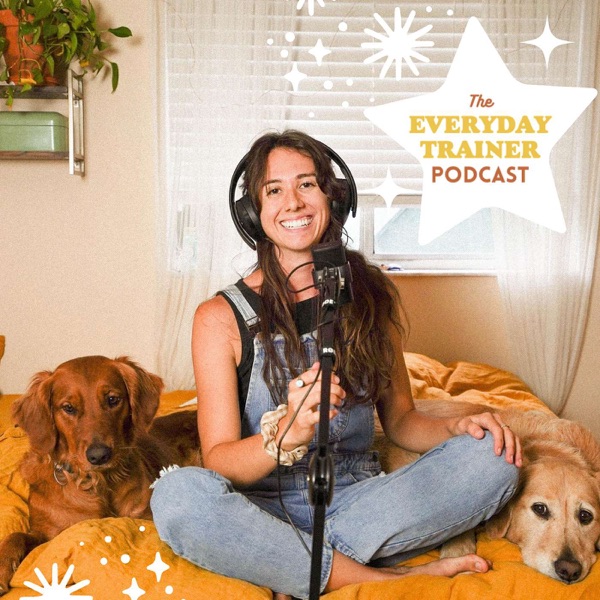
Join Meg, a Pet Dog Trainer in Orlando Florida, as she chats about all things dogs. From training tools and techniques to mindfulness and habit formation, Meg's got all the insight you need to help you form a better relationship with your dog.
On the charts
Every published chart this podcast appears in, in the snapshot behind this page. Each one links to the chart it came off.
From the feed
The latest episodes published to this podcast’s own RSS feed. Titles and descriptions are the publisher’s.
The pet food aisle is full of glossy promises, but when you flip the bag over, the ingredient panel can feel like a different universe. From the Superzoo show floor, we sit down with Ruby from Real Dog to unpack how she went from paralegal work in white-collar crime and international trade to building a dog nutrition company that bets on whole ingredients, transparency, and a fresh food mindset. Ruby shares the story that set everything in motion: her husband’s Doberman, a cancer diagnosis, and the decision to try fresh, real food when the prognosis felt unacceptable. We talk kibble vs fresh dog food, why raw feeding is so hard to ship and scale, and how air-dried dog food became a practical middle ground that avoids high-heat extrusion and leans on real meats, organs, and targeted essentials like omega-3s. We also get into the messy parts people rarely say out loud: why economics keeps kibble on top, how “research-backed” nutrition can follow funding, and what AAFCO guidelines actually do and do not regulate. Ruby explains why she started feedreal.com and the Feed Real Institute, an online canine nutrition education platform that even offers continuing education credits for veterinarians so pros can better guide clients who want to feed fresh safely. If you’re curious about protein rotation, starting with small fresh-food add-ons, or what an “ancestral diet” approach looks like in a modern bowl, this conversation will give you both the why and the how. Subscribe for more real-world training and care talk, share this with a dog friend who reads labels, and leave a review. Visit us on the website here to see what we've got going on and how you can join our pack of good dogs and owners.
Randomness is brutal on a nervous system, and dogs are no exception. We come back from a much-needed “touch grass” break and dig into one of the most cited papers in the e-collar debate: the Schalke study on predictability and stress. People love to wave it around as proof that electronic collars are inherently harmful, but when we slow down and read what the researchers actually measured, the real takeaway is sharper and more practical: unpredictability is what drives the biggest cortisol spikes. We walk through how the study is set up with three beagle groups, what “predictable and controllable” really means, and why the random-stimulation group shows the most intense and lasting stress response. We also unpack the details that get skipped online, including that every trial is run at the highest intensity setting as a worst-case stress test, and how saliva cortisol timing and blinded measurement strengthen the findings. Heart rate gets discussed too, with a clear explanation of why movement can muddy that signal. From there, I connect the science to real training: learned helplessness, poor timing, and why a dog needs a clear way to shut stimulation off. I share what balanced e-collar conditioning looks like when it’s done responsibly: foundation behaviors first, low working levels, clarity, and then accountability only after the dog understands the rules. If you want a research-based conversation that actually respects method, nuance, and animal welfare, hit play, then subscribe, share with a trainer friend, and leave a review so more owners can find it. SOURCES 1. Schalke et al., "Clinical signs caused by the use of electric training collars on dogs in everyday life situations" https://www.researchgate.net/publication/228355489_Clinical_signs_caused_by_the_use_of_electric_training_collars_on_dogs_in_everyday_life_situations 2. PLOS ONE (2020), Vieira de Castro et al., "Does training method matter?" https://journals.plos.org/plosone/article?id=10.1371%2Fjournal.pone.0225023 3. Cooper et al. (2014), "The Welfare Consequences and Efficacy of Training Pet Dogs with Remote Electronic Training Collars" https://pmc.ncbi.nlm.nih.gov/articles/PMC4153538/ 4. Frontiers in Veterinary Science (2026), "Professional dog trainers' perspectives on training methods" https://pmc.ncbi.nlm.nih.gov/articles/PMC12975608/ 5. Johnson and Wynne (2024), "Comparison of the Efficacy and Welfare of Different Training Methods in Stopping Chasing Behavior in Dogs" https://pmc.ncbi.nlm.nih.gov/articles/PMC11428818/ 6. "Do aversive-based training methods actually compromise dog welfare? A literature review" https://www.sciencedirect.com/science/article/abs/pii/S0168159117302095 Visit us on the website here to see what we've got going on and how you can join our pack of good dogs and owners.
If your dog ignores treats outside, checks out on walks, or looks “unmotivated” the second distractions show up, the problem usually is not your timing or your tool. It is that the reward has no value in the moment, and that starts with the lifestyle you built around your dog. Meg and Thoma break down the psychology of motivation in dog training, using real board and train examples like Sharkbait and Daisy to show what it looks like when a dog has energy but no engagement, or when a dog is so shut down that nothing can compete. We walk through how to build motivation from the ground up by restructuring resources: scheduled meals instead of grazing, intentional affection instead of constant background noise, and earned freedom through crates, gates, and boundaries. Then we connect the practical side to behavioral science, including motivating operations, reinforcement schedules, and why variable rewards create persistence while constant rewards can make behavior brittle. We also get into dopamine and anticipation, marker timing, and how the way you deliver food or play can change everything for a dog who “isn’t food motivated.” From there, we explore agency and a canine version of flow state, plus why short, focused sessions protect engagement better than long sessions that wander. Finally, we unpack the dog training research that people love to cite, including what the well-known PLOS One study actually measured and the key nuance most debates skip: unpredictability drives stress. If you want a dog who understands how to win, offers behavior with confidence, and chooses to work with you, this framework will change how you train. Sources: American Journal of Veterinary Research (2025) — Food motivation and owner feeding management practices associated with overweight in dogs https://avmajournals.avma.org/view/journals/ajvr/86/5/ajvr.24.11.0358.xml PLOS ONE (2020) — Does training method matter? Evidence for the negative impact of aversive-based methods on companion dog welfare https://journals.plos.org/plosone/article?id=10.1371%2Fjournal.pone.0225023 Scientific Reports / Nature (2018) — Incentive motivation in pet dogs, preference for constant vs. varied food rewards https://www.nature.com/articles/s41598-018-28079-5 Scientific Reports (2018) — Development and validation of the Canine Reward Responsiveness Scale https://www.nature.com/articles/s41598-018-22605-1 Biological Reviews (2023) — Animals in flow, towards the scientific study of intrinsic reward in animals https://onlinelibrary.wiley.com/doi/full/10.1111/brv.12930 Frontiers in Veterinary Science (2021) — Working Dog Training for the Twenty-First Century https://www.frontiersin.org/journals/veterinary-science/articles/10.3389/fvets.2021.646022/full Frontiers in Veterinary Science (2026) — Professional dog trainers' perspectives on training methods, ethical and evidentiary insights https://www.frontiersin.org/journals/veterinary-science/articles/10.3389/fvets.2026.1744448/full PMC / NIH — Dogs' Body Language Relevant to Learning Achievement https://www.ncbi.nlm.nih.gov/pmc/articles/PMC4494300/ Visit us on the website here to see what we've got going on and how you can join our pack of good dogs and owners.
Leaving a four-month-old puppy loose at night can feel like the “nice” choice until it turns into chewed remotes, fence-line chaos, or a true medical emergency. We take you inside one of our weekly community calls and talk through what to do when a puppy crates perfectly for the trainer, but the home routine falls apart at 2 a.m. because someone can’t tolerate the noise. You’ll hear exactly how we frame the conversation with owners, why supervision matters so much, and how to draw a professional boundary when follow-through isn’t happening. From there, we get into the messy middle of e-collar training: the dog who isn’t food motivated, doesn’t want to play, and “shuts down” when the leash goes on because the old routine meant walks and freedom. We break down pressure and release, how to keep training fair, and why it often gets worse before it gets better when you raise standards. We also talk sport dog training and agility realities, including how to fade an e-collar for trials using a repeatable pre-trial routine, equipment shedding, and clean accountability that doesn’t depend on the collar being visible. We round it out with practical behavior coaching for real life: building clear training windows and an off switch, teaching neutrality around people, stopping lunging before it becomes a bite risk, and handling puppy mouthiness and redirect biting without accidentally rehearsing bad habits. If you care about dog behavior, puppy training, reactive dog rehab, and clear leash handling, you’ll get a lot out of this one. Visit us on the website here to see what we've got going on and how you can join our pack of good dogs and owners.
Too much tenderness can look like love and still leave an anxious dog feeling unsafe. We sit down for a real virtual coaching session with a caring owner and her five-year-old Aussie doodle, Coco, and we get honest about the empathy trap: when we absorb every feeling, avoid every discomfort, and accidentally teach our dogs that the world is unmanageable. The goal isn’t to become cold. The goal is to become clear, steady, and predictable so your dog can stop making anxious decisions all day long. We walk through what’s normal dog behavior versus what’s actually a training gap, including the difference between true separation anxiety and “big feelings” when you come and go. Then we get practical: how to add structure with place training, how to use leash pressure fairly, how to pick a release word that removes confusion, and why accountability is often the missing ingredient for nervous dogs. If you’ve ever felt like your dog “doesn’t care” about cues, we explain how optional rules get created and how to rebuild follow-through without becoming harsh. Food motivation and sensitive stomachs come up too, so we show how to train with play instead of treats. You’ll learn how to turn “yes” into a tug reward, how to build a confident training mindset with simple markers, and how to carry that game into scary environments to build real confidence. We also touch on feeding routines, bedtime boundaries, and containment options like tethering or an X-pen as stepping-stones toward calmer nights. If you want a dog training plan that reduces anxiety through structure, routine, and confidence building, hit play, then subscribe, share with a friend who needs it, and leave a review so more overwhelmed owners can find this approach. Visit us on the website here to see what we've got going on and how you can join our pack of good dogs and owners.
Your dog doesn’t “snap out of nowhere.” More often, the warning signs have been rehearsed for months: guarding the couch, blowing off cues, refusing the crate, pushing into space, growling to get its way, then escalating to a bite when the human finally draws a line. We sit down with Angela, a trainer with a decade of hands-on experience, to talk about healthy boundaries that keep dogs safe and keep owners from getting bullied in their own homes. We dig into the hard stuff dog owners and dog trainers both face: what to do when a dog has a bite history, how to spot client red flags early, and why some cases fail because the person will not follow through. You’ll hear our nonnegotiables for behavior modification like crate training, muzzle training, indoor leash rules, thresholds, and realistic management plans. We also get into the uncomfortable truth that “loving dogs” can become dangerous when it means zero structure and no consequences. Then we zoom out to the bigger picture: why boundaries can reduce anxiety and reactivity, how small amounts of stress build a more resilient dog, and why structured walks can be mentally richer than an hour of chaotic freedom. We also talk trainer boundaries, burnout, and how saying no protects your good clients and your reputation. If you’ve ever wondered whether you’re being too strict or not strict enough, this conversation will help you find the middle that actually works. Subscribe for more practical dog training conversations, and share this with a friend who needs it. Visit us on the website here to see what we've got going on and how you can join our pack of good dogs and owners.
The fastest way to stay stuck with a reactive dog is trying to prevent every mistake. We sit down for a real coaching call with a dog owner juggling a powerful adult mix (German Shepherd, Great Pyrenees, Belgian Malinois) with prey drive and leash reactivity, plus a new puppy who feels “easy” by comparison and triggers a whole new wave of dog owner guilt. We get practical about what changes behavior: using the e-collar as a clear, fair consequence for full commitment chasing (bikes, cats, fast-moving triggers) instead of living in constant management with leash pops, distractions, and pre-emptive nagging. We also talk through the part nobody posts online, the discomfort of correcting a dog in public and the fear of being judged, and why consistency matters more than perfection when safety and liability are on the line. Then we zoom out to the day-to-day plan: build engagement through a repeatable training game, use play and impulse control to stop the “scan and explode” loop, and keep sessions short so you don’t burn out. For the puppy, we lower the bar: more sniffing, more confidence, more rewarded check-ins, and a gradual path to a structured heel. We also cover separate walks, separation anxiety practice with short departures, and how to supervise rough play and advocate for both dogs. If this resonates, subscribe, share it with a friend who’s overwhelmed, and leave a review so more dog owners can find practical training that actually works. Visit us on the website here to see what we've got going on and how you can join our pack of good dogs and owners.
You can love your dog and still feel baffled by their choices. Why do they blow off a recall they “know,” pull like a freight train, or lose their mind at another dog the second the stakes go up? We’re going back to the foundation that makes all of it make sense: learning theory, the scientific framework behind how behavior is built and changed. I’m Meg, and I walk through the two big pillars we use in dog training: classical conditioning and operant conditioning. We talk about how associations shape emotions, why marker words work when they’re properly conditioned, and how tiny timing errors can blur the picture and create a dog that feels uncertain. If you’ve ever wondered why treats work beautifully at home but fall apart around squirrels, strangers, or other dogs, you’ll finally have language for what’s happening. Then we get practical with the four quadrants of operant conditioning, including what “positive” and “negative” really mean. We also tackle the balanced training versus purely positive reinforcement debate without the online drama, including where a full toolkit can matter for genetics, prey drive, reactivity, and long histories of accidental reinforcement. Finally, we talk e-collar training at a true working level, the two phases I use for conditioning, and how reading dog body language like a green yellow red traffic light tells you when learning is actually possible. If you want more of this kind of training science made usable, subscribe, share the episode with a dog friend, and leave a review so more owners can find it. What topic should we unpack next? Visit us on the website here to see what we've got going on and how you can join our pack of good dogs and owners.
The loudest voices online love to turn dog training into a purity test, but real life with real dogs is messier and more urgent. We asked you to send in balanced training success stories, and what came back was the same theme over and over: clarity creates freedom. When owners learn how to communicate cleanly, dogs get more off-leash time, safer public outings, and less conflict at the end of the leash. We break down what balanced dog training actually is using the four quadrants of operant conditioning, then get practical about why timing matters so much. I talk about predictable versus random punishment, how sloppy marker use can confuse a dog just as much as sloppy corrections, and why cheap “Amazon shock collars” are a recipe for fallout. If you’ve ever worried that tools will “ruin the relationship,” we unpack what makes tool use fair, humane, and easy for a dog to understand. Then we get into the stories: huskies who can trail run and still recall, terriers who finally “click” in high-distraction environments, reactive dogs who can relax on walks, and prey-driven pups who can run without owners wrecking a shoulder on a long line. We also talk about muzzles as an underrated safety tool that can actually expand a dog’s world when conditioned properly. I share my own turning point with Lucy, and why teaching both “yes” and “no” is often the kindest, clearest way to build confidence and reliability. If you want to go deeper, I share how to train with me inside my online community (live calls every Thursday at 2 p.m., Q&As, and new videos), plus details on the Virtual Shadow Program for aspiring trainers. Subscribe, share this with a friend stuck in training limbo, and leave a review so more owners can find a clearer path. Visit us on the website here to see what we've got going on and how you can join our pack of good dogs and owners.
A stray dog follows Charles and his wife back to their tent in a climbing canyon in Mexico, and three nights later they make a promise that changes everything: they are not going home without him. What comes next is part rescue story, part entrepreneurship story, and part hard-earned lesson in what dogs actually need. Charles, the owner of Mountain Dog Products, joins me to share how a handmade leash built from climbing rope and a carabiner turned into a full business built on upcycled materials and domestic manufacturing in Phoenix. We get into the behind-the-scenes of building a product brand the unglamorous operations, customization for trainers, and why collaboration and good leadership matter more than hype. Then we shift into dog ownership, where Charles opens up about Jefe, the reactive rescue dog he loved deeply but didn’t know how to handle. We talk boundaries, exercise, crate training, and why “structure equals freedom” is not a slogan, it is the reason some dogs get to live bigger, safer lives. We also tackle the big topics people avoid: breed traits, genetics, ethical breeders, backyard breeding, and how rescue placement can go wrong when temperament is ignored. If you have ever felt overwhelmed by a high-drive dog, confused by conflicting dog training content online, or unsure how to pick the right dog for your lifestyle, this conversation will help you think clearly and choose intentionally. If you enjoyed it, subscribe, share it with a dog person who needs to hear it, and leave a review so more owners can find the show. Visit us on the website here to see what we've got going on and how you can join our pack of good dogs and owners.
Your dog is calm one minute, then loses their mind at the window the next and you’re left wondering if you’re helping or making it worse. We pull back the curtain on one of our weekly group coaching calls inside my online dog training community and get very real about the mechanics that actually change behavior: how you use marker words, how you proof obedience around distractions, and how to stop reactivity without living in constant conflict. First, we tackle a sneaky problem that shows up in classes and multi-dog homes: your dog hears you say “yes” to another dog and breaks position like they just got called to a party. We talk through how to proof that picture using place training, clear boundaries, and consistent follow-through so your dog learns context instead of guessing. If you’ve ever felt like your markers “don’t work,” this will sharpen your timing fast. Then we dig into reactive barking at windows and doors after a move, including how to think about e-collar corrections as information versus noise. I explain the difference between an interrupter that stops the moment and a true punishment that changes the next choice, plus what consistency should look like day to day. We also cover when it makes sense to skip e-collar conditioning for a dangerous backyard habit versus when you should slow down and condition properly for broader off-leash reliability. Finally, you’ll hear live training: cleaner position changes with open-hand versus closed-fist lures, why short sessions protect motivation, and early e-collar conditioning through place sends with a young Lab learning how to turn pressure off. If you want practical dog training advice you can apply immediately, hit play, then subscribe, share this with a friend, and leave a review so more dog owners can find the show. Visit us on the website here to see what we've got going on and how you can join our pack of good dogs and owners.
You can fall in love with a puppy in five seconds, then spend the next five years managing the fallout. Meg and Kassidy record from a hotel room in San Luis Obispo after driving up to meet a rescue litter of Australian Cattle Dog puppies, and we get very honest about how we decide whether we should bring one home at all. We talk rescue sourcing, what “backyard bred” can mean in practice, and the uncomfortable but real spay abort debate that shows up in shelter medicine and rescue culture. From there we get practical. We walk through the checklist we use before we ever say yes: your daily schedule, your energy level, your current dogs, and what role you actually need this dog to fill. We cover how to assess puppy temperament when you meet a litter, including simple “startle and recovery” tests like dropping a loud object, watching curiosity, and noticing who hides and stays hidden. We also define drive in plain terms and explain why the most intense puppy can be perfect for an experienced sport home and a disaster for a typical pet home. We zoom out to the bigger picture too: integrating a puppy with older dogs without ruining their peace, why a good breeder often matches you to a puppy, and why shelter stress can make temperament hard to read. Finally, we get real about breed traits, city living, kids, nipping risk, liability, and the cost of training and fulfillment. If you’re Googling “how to pick a puppy” or “cattle dog puppy temperament,” this conversation gives you a clear framework to make a decision you won’t regret. If this helps, subscribe, share it with a friend who’s puppy shopping, and leave a review so more people stop buying mismatched dogs on impulse. What’s the one non-negotiable on your puppy checklist? Visit us on the website here to see what we've got going on and how you can join our pack of good dogs and owners.
Joshua Tree gave us the perfect pressure test: new place, big distractions, tired dogs, and handlers who want off-leash freedom fast. I’m Meg, and I’m sharing the real takeaways from our desert weekend, from what went well to what slowed progress down. If you’ve ever said “I have marker words” but your dog still looks lost, this one will hit home. We get into the unsexy fundamentals that make dog training work: picking one goal for a session, setting clean criteria, and using “yes” like it actually means something. I walk through a practical way to teach a verbal sit by pairing an unknown cue with a known cue, then show how I build engagement without begging for attention. You’ll also hear why I reward multiple times while moving backward, how I use a simple “go” food toss game to create focus, and what predictability looks like when you want reliable recall and calmer behavior around people and dogs. Then we talk structure. Downtime, crate training, car crates, and an off switch are not optional if you’re doing active training or behavior modification. I explain why so many reactive or anxious dogs stay stuck in an impulse loop when they have too much freedom, and how clear consequences reduce stress instead of creating it. We also cover e-collar training, the difference between accountability and punishment, and why a tool can only add clarity if your foundation is already solid. I close with a personal note on meditation and why handler impulse control matters more than most people think, plus a simple five-minute homework assignment you can start this week. If this helps you, subscribe, share it with a dog friend, and leave a review so more owners can find practical, balanced dog training that actually works. Visit us on the website here to see what we've got going on and how you can join our pack of good dogs and owners.
Choosing a dog shouldn’t feel like a coin toss. We dive straight into the adopt vs shop debate with a clear lens on temperament, genetics, and the everyday realities that keep dogs safe and families sane. With Danielle’s deep rescue experience and our training background, we unpack why reputable breeders focus on stable nerves, why ethical programs include take-back policies, and how unregulated backyard breeding fuels shelters with dogs bred for looks instead of behavior. From there, we get tactical. You’ll hear a step-by-step plan for bringing a new dog home the safe way: slip lead on indoors, crate for meals and rest, three days of quiet decompression, and zero dog parks. For multi-dog homes, we share the system we use with client dogs—barriers, parallel walks, place work, and genuine neutrality—before any face-to-face play. You’ll learn how to read early red flags through a crate door, prevent resource guarding, and avoid the common mistake of throwing a new dog into the deep end on day one. We also address the hard truths. Genetics set limits; training adds skills inside those limits. We examine bite risk, why some dogs look “bad” in shelters but relax at home, and when it’s ethical to say a dog isn’t safe for a specific family. We push back on the idea that love fixes everything, showing how clear boundaries and fair corrections can actually protect relationships and keep dogs out of shelters. Whether you’re eyeing a rescue or interviewing breeders, you’ll get practical filters: what to ask, what to avoid, and how to pick a temperament that matches your life. If you’re ready to choose a dog with your eyes open—and set them up to thrive from day one—this conversation gives you the blueprint. Listen, share with a friend who’s dog shopping, and if it helped, subscribe and leave a review so more people find the show. Visit us on the website here to see what we've got going on and how you can join our pack of good dogs and owners.
Some dogs power through thresholds like a freight train. Others melt into perfect heel the second they get nervous. We spent the week working both ends of that spectrum and came home with a message worth underlining: great training adapts to the dog and the human, not the latest trend. We break down the big “training camps”—balanced, force-free, compulsion—and then move past labels to the skills that matter: clean markers, tight criteria, smart reinforcement, and fair corrections. You’ll hear how we slowed a pushy young German Shepherd at crate doors and equipment time, turning impulse into patience with structured thresholds. Then we flip the script with an obedient XL bully whose reactivity lives under a shiny heel. Instead of pouring on more obedience, we use flexi walks, loose leash drills, and directional changes to build confidence and decision-making away from the handler. Along the way, we talk tools and timing, handler tension that travels down the leash, and why some dogs need more management—crate and rotate, rest, and routine—while others thrive with freedom. We share practical leash rules that let a dog look without lingering, redirect before the explosion, and reward choices that signal emotional change. We also explain why rehearsing the same tough loop every day stalls progress, and how variety—neutral dog reps, adventure board and trains, detection games—creates new wins and better state of mind. If you’re tired of cookie-cutter advice or feeling guilty when your dog backslides, this conversation will recalibrate your expectations and your plan. There is no finish line, just evolving standards, sharper basics, and a growing toolkit that fits the dog in front of you. Subscribe, share with a friend who’s stuck on reactivity, and leave a review to help more owners find a better path. Visit us on the website here to see what we've got going on and how you can join our pack of good dogs and owners.
What if your “problem” dog isn’t broken at all—just under‑fulfilled, over‑aroused, and waiting for clearer structure? We sit down with a listener whose three‑year‑old shih tzu wakes early, paces, fixates on a senior housemate, and melts down in public. The twist: he’s not “bad,” he’s wired like a working dog in a small body. Our goal becomes simple and doable—build a daily rhythm that channels drive, lowers stress, and teaches calm on cue. We dig into the tug‑of‑war between genetics and lifestyle, especially when maturity unmasks anxiety. You’ll hear how we set “windows” of focused activity with marker words—Are you ready? opens the session; All done closes it—then pick up toys and move the dog into a crate or tether to practice settling. We break down short food games like get it and yes to engage the brain, then layer easy skills and play. The result is arousal with purpose, followed by true decompression, not nagging or guilt. Multi‑dog homes get special attention: how to protect seniors, stop relentless pestering with a slip lead, and decide when to interrupt play versus let it flow. We talk crate training that builds alone‑time skills without drama, why randomizing session times prevents anticipatory chaos, and when a well‑fitted e‑collar can add humane clarity after foundations. If winter has cut your walks, you’ll learn how two short, high‑value sessions a day can outperform long, inconsistent exercise and steadily grow confidence for public spaces when weather returns. By the end, we land on a compassionate truth: you can’t turn every dog into your last dog, but you can teach the one in front of you how to thrive. If this resonates, tap follow, share with a friend who’s overwhelmed, and leave a review telling us the one habit you’ll try this week. Visit us on the website here to see what we've got going on and how you can join our pack of good dogs and owners.
The barking, spinning, and “I’m out” crate dives aren’t your dog being difficult—they’re your dog asking for clarity. We dig into how frustration gets mislabeled as shutdown, and how a few simple changes to structure and language can transform a chaotic session into focused, joyful work. From sport dogs to family companions, this is a practical tour of routines, marker words, and walking rules that actually stick. We start by building a clean communication system: yes to release and pay movement toward you, good to reinforce duration in position, and no as a calm boundary paired with brief leash pressure. You’ll hear how to condition yes so dogs chase you for multiple rewards, why varying payout matters, and how to use good to create a reliable implied stay. Then we zoom out to session flow—potty first, calm thresholds, a clear “Are you ready?” to open the window, and short working blocks with smart resets. It’s a recipe for lowering stress without dimming drive. Heeling gets a clarity overhaul, too. We separate with me from a formal heel to prevent mixed messages, explain right- vs left-side criteria, and show how to handle a young or hot dog who “leaks” arousal. You’ll get hand-target progressions, perch-to-floor pivots, and leash-pressure releases marked with yes to fix forging and crooked positions. We also cover real-home setups for door greetings and guests—leash for safety, neutral handler energy, timely pops or taps, and rewards for calm engagement—so your dog can process excitement without blowing up. Whether you’re wrangling a border collie who’s overflowing with energy or tuning up a pet dog who fakes calm, the playbook is the same: clearer cues, tighter windows, and kinder limits. Listen, take notes, and try the drills. If this helped, subscribe, share with a dog friend, and leave a quick review—what cue will you sharpen first? Visit us on the website here to see what we've got going on and how you can join our pack of good dogs and owners.
Start the year with a training reset that actually fits real life. We lay out a practical vision for 2026: less bashing between camps, more education, and a class model built for consistency. Instead of forcing rigid rules that fall apart on hard weeks, we show how to meet owners where they are, build trust, and add tools later when it makes sense. The throughline is sustainability—habits you’ll keep because they’re simple, fair, and aligned with how you live. We break down why variety matters and how a gym-style schedule keeps both dogs and humans engaged. Reactivity classes focus on early interruption and neutrality, obedience sessions sharpen markers and play, detection taps into real nosework, and guided pack hikes bring nature back into the routine. You’ll hear how small, repeatable skills—shuffle back, pay, reset—turn panic into a plan, and why those reps create calm confidence faster than any quick fix. We also take on the myth that a flat, silent dog is a well-trained dog. Training shouldn’t crush personality. By channeling drive, rewarding curiosity, and teaching clean off-switch behavior, you can keep your dog’s spark while gaining real control. That balance is where owners rediscover joy: an off-leash hike in the morning, a cafe settle at lunch, crisp heel work at class, and a happy dog who still lights up for play. Under it all is community. Weekly sessions turn effort into a habit, reduce isolation for reactive dog owners, and lift everyone’s standards. We’re building a space in Upland, east of LA, where people feel seen and dogs get the outlets they deserve. If you want training that lasts beyond a boot camp and a dog who stays fully alive, this one’s for you. Subscribe, share with a friend who needs hope, and leave a review with your top training goal for 2026. Visit us on the website here to see what we've got going on and how you can join our pack of good dogs and owners.
Fear doesn’t mean stop; it usually means go. Meg sits down with trainer and coach Oscar Mora to trace the real path from a steady aerospace paycheck to a ranch built for teaching, trialing, and building a club where honest feedback and consistent reps change both dogs and handlers. We talk about the moment his wife said “it’s time,” the practical signs he watched before quitting, and how discomfort became a compass for growth rather than a reason to freeze. From there we dive into the craft. Oscar breaks down why pet skills and sport skills speak the same language—clean markers, fair criteria, and rewards that match the dog in front of you. He lays out how to get into sport without weekly decoy access by focusing on obedience, neutrality, and structured play. We explore off-breeds in sport, what a Corso can teach a handler about patience and pressure, and how finishing something with the dog you have often builds more skill than endlessly chasing a “perfect” prospect. Puppy selection gets specific: confidence over defensiveness, love of chase, possession, and full grips. For dogs with too much gas, he explains how to install breaks early so the dog can think under conflict—like clearing a jump with a toy screaming from behind. We get candid about social media pressure, why trainers should serve clients instead of peers, and how a culture of private, constructive critique grows people faster than public takedowns. Most importantly, we show how play isn’t just fun; it’s a system for building engagement, solving reactivity, and turning stress into skills that hold up in real life. Stick around for details on Oscar’s upcoming course, a free newsletter that translates training videos into step-by-step takeaways, and a two-day play workshop on February 21–22 in Upland designed for pet owners and aspiring sport handlers alike. If this conversation helps you, subscribe, share with a friend, and leave a quick review—then tell us the one skill you’re training this week. To sign up for Oscar's upcoming workshops, check out his website here. Visit us on the website here to see what we've got going on and how you can join our pack of good dogs and owners.
Leash meltdowns aren’t random—they’re rehearsed. We pull back the curtain on what “reactivity” really means, why barriers like leashes and fences supercharge emotion, and how to swap chaos for structure without crushing your dog’s spirit. We map the two major lanes of reactivity—overarousal versus fear—then connect them to what’s happening inside the body, from dopamine-fueled excitement to cortisol-driven stress. That biology lesson turns into timing and tactics you can use today. We start at home, not on the sidewalk. You’ll learn a simple marker-based game that opens and closes a training window, plus why tethering is a crucial skill for teaching calm under restraint. We share step-by-step ways to build reliable loose-leash walking in low-distraction spaces, then show how to move from management to real behavior change. When and how should you layer tools for clarity? Why are forced sits and tight leashes making things worse? How can a flexi line help you test choices safely in open areas? We answer it all, with examples from Bella’s progress and Muffin’s spicy genetics. Along the way, we talk emotion in training, why precision can wait, and how structure builds confidence in anxious dogs. If dog parks and on‑leash greetings have been fueling your problem, you’ll leave with a practical plan: short engagement loops, crate and tether reps, movement over standoffs, and controlled exposures that don’t reward barking. Plus, we share facility news, new classes in Upland and San Diego, a community holiday party and giving tree, and details on an upcoming seminar with our mentor Oscar focused on markers, communication, and play. If this helped reframe your dog’s outbursts, tap follow, share with a friend who’s struggling, and leave a quick review telling us what you’ll try first. Your questions for Oscar are next—send them our way. Visit us on the website here to see what we've got going on and how you can join our pack of good dogs and owners.
Ranking source
Apple Podcasts rankings via the Mato Topic Intelligence Platform.
Observed September 20, 2026.
Apple and Apple Podcasts are trademarks of Apple Inc., registered in the U.S. and other countries.
Pairs with
Bring this source into Mato to read its transferable patterns, then turn them into an original show for your own audience.