Mato just raised pre-seed Read more

Podcast charts
Published by TruJuLo Productions
Whether you’re a seasoned professional in the film industry, an aspiring filmmaker, or a media enthusiast, Sista Brunch offers a rare glimpse into the professional lives of those who shape contemporary entertainment. It's an essential resource for understanding the role of an inclusive lens in crafting stories that resonate across audiences. Tune into Sista Brunch to hear the powerful voices of those leading the way in Hollywood and beyond. Learn from their experiences, get inspired by their stories, and gain insights into making your mark in the entertainment world.
On the charts
Every published chart this podcast appears in, in the snapshot behind this page. Each one links to the chart it came off.
From the feed
The latest episodes published to this podcast’s own RSS feed. Titles and descriptions are the publisher’s.
Hanelle Culpepper is nominated for an Emmy for Outstanding Directing in a Drama Series for "Exodus," the season two finale of Paradise on Hulu. She is the second Black woman ever nominated in that category. So we are bringing back our 2020 conversation with her, with a new introduction from Fanshen recorded ahead of the ceremony. In this episode, Hanelle tells Fanshen Cox and Anya Adams how she became the first woman to launch a Star Trek series in the franchise's history. One meeting. No script. A weekend to build a look book. Then Patrick Stewart's approval. She also talks about having no plan B, about building a range of reels so she could direct anything, and about the thing her manager asked her that changed how she worked: did you actually tell them what you want? Star Trek turned sixty this month. Hanelle got there first. Originally released in 2020 as episode 4, Season 2. Recorded on the unceded territory of the Tongva and the Chumash in Los Angeles. Watch the full episode on YouTube: https://youtu.be/LbRFczB02ZY Sista Brunch team: Samantha K. Henderson, Tasha Rogers, Ashanti Groves, Charlie T. Savage, and Shawn Pipkin-West.
At our Season Six Celebration and Season Seven Fundraiser, we set up a podcast room and invited everyone in the building to interview each other with prompt cards. This is the eighth of fifteen conversations from that day. Award-winning filmmaker Tamika Lamison sits down with Kai Bowe, Director of Current Programming, Unscripted at the Oprah Winfrey Network. Tamika's message to the next generation: know your power, and treat perfection as poison — what we do is magic, so make magic and make mistakes. Kai explains why imposter syndrome has never applied to her, then shares the hardest lesson of her career: losing a career-defining documentary because she led out of fear rather than diplomacy, and what she rebuilt from it. Together they name the weight of expected excellence that Black women carry into every room, and what it costs. Tamika appears twice in this series — she's also in Volume 1. We first connected with her at the Black Girls Film Camp retreat, then Essence 2024. Watch the video version on YouTube (@TruJuLoMedia) or Apple Podcasts. The full unedited conversation is available to members at patreon.com/sistabrunch. Filmed at The Recording Club, Santa Monica. Recorded during the Sista Brunch Season Six Celebration and Season Seven Fundraiser, produced with Pioneer Network. Sista Brunch is brought to you by TruJuLo Productions, hosted and produced by Fanshen Cox, with our Season Seven team: Samantha K. Henderson, Tasha Rogers, Ashanti Groves, Charlie T. Savage, Shawn Pipkin-West, and Maegan Philmore. Recorded on the unceded territory of the Tongva and the Chumash in Los Angeles. Support the show: leave a review on Apple Podcasts or Spotify, and join us at patreon.com/sistabrunch.
At our Season Six Celebration and Season Seven Fundraiser, we set up a podcast room and invited everyone in the building to interview each other with prompt cards. This is the seventh of fifteen conversations from that day. Diana Williams — CEO and co-founder of Kinetic Energy Entertainment, previously Creative Development and Franchise Producer for Star Wars at Lucasfilm — sits down with Liz Franco, a documentary executive at a major streamer. They talk about small victories that renew hope, including a first trip to the Creative Arts Emmys and the experience of looking around a room and not seeing many people who look like you. Diana shares what she's proudest of across a long career in games, film, and podcasts: not the credits, but strangers finding joy in the work. And she names the tradeoff of this moment — it's never been easier to make something, and never been harder to get anyone's attention for it. Diana was our guest in Season 7, Episode 13 — "From the DGA Training Program to Building the Future of IP" — available wherever you're listening now. Watch the video version on YouTube (@TruJuLoMedia) or Apple Podcasts. The full unedited conversation is available to members at patreon.com/sistabrunch. Filmed at The Recording Club, Santa Monica. Recorded during the Sista Brunch Season Six Celebration and Season Seven Fundraiser, produced with Pioneer Network. Sista Brunch is brought to you by TruJuLo Productions, hosted and produced by Fanshen Cox, with our Season Seven team: Samantha K. Henderson, Tasha Rogers, Ashanti Groves, Charlie T. Savage, Shawn Pipkin-West, and Maegan Philmore. Recorded on the unceded territory of the Tongva and the Chumash in Los Angeles. Support the show: leave a review on Apple Podcasts or Spotify, and join us at patreon.com/sistabrunch.
At our Season Six Celebration and Season Seven Fundraiser, we set up a podcast room and invited everyone in the building to interview each other with prompt cards. This is the sixth of fifteen conversations from that day. LMU film student Kalle White sits down with Daria Strachan, a Black Girls Film Camp alum we first met at Essence Festival 2024. Kalle talks about how a year of injuries reshaped her thinking about disability and how much of the world is inaccessible — and about the early decision rejection that devastated her before it redirected her. Daria makes the case that you cannot fake your way through the film industry: not pretending to care about social issues, not pretending you're fine with how colleagues talk to you. Put your whole self out there, or you're not making real art. Watch the video version on YouTube (@TruJuLoMedia) or Apple Podcasts. The full unedited conversation is available to members at patreon.com/sistabrunch. Filmed at The Recording Club, Santa Monica. Recorded during the Sista Brunch Season Six Celebration and Season Seven Fundraiser, produced with Pioneer Network. Sista Brunch is brought to you by TruJuLo Productions, hosted and produced by Fanshen Cox, with our Season Seven team: Samantha K. Henderson, Tasha Rogers, Ashanti Groves, Charlie T. Savage, Shawn Pipkin-West, and Maegan Philmore. Recorded on the unceded territory of the Tongva and the Chumash in Los Angeles. Support the show: leave a review on Apple Podcasts or Spotify, and join us at patreon.com/sistabrunch.
At our Season Six Celebration and Season Seven Fundraiser, we set up a podcast room and invited everyone in the building to interview each other with prompt cards. This is the fifth of fifteen conversations from that day. Poet, author, speaker, and actor Arielle Estoria — author of The Unfolding — sits down with writer, engineer, and Made For More Entertainment founder Daniel K. Hunter. The card asks about the first creative spark. Arielle explains why she spills instead of writes, why ideas leave us if we don't foster them, and how recording her audiobook revealed the real difference between a writer and a poet. Daniel reflects on studios as creative laboratories and makes the case that podcasting isn't fizzling — it's a hundred years of radio instinct coming back with our own technological spin. Watch the video version on YouTube (@TruJuLoMedia) or Apple Podcasts. The full unedited conversation is available to members at patreon.com/sistabrunch. Filmed at The Recording Club, Santa Monica. Recorded during the Sista Brunch Season Six Celebration and Season Seven Fundraiser, produced with Pioneer Network. Sista Brunch is brought to you by TruJuLo Productions, hosted and produced by Fanshen Cox, with our Season Seven team: Samantha K. Henderson, Tasha Rogers, Ashanti Groves, Charlie T. Savage, Shawn Pipkin-West, and Maegan Philmore. Recorded on the unceded territory of the Tongva and the Chumash in Los Angeles. Support the show: leave a review on Apple Podcasts or Spotify, and join us at patreon.com/sistabrunch.
At our Season Six Celebration and Season Seven Fundraiser, we set up a podcast room and invited everyone in the building to interview each other with prompt cards. This is the fourth of fifteen conversations from that day. Screenwriter, script consultant, and founder of The Professional Pen Shannan Johnson sits down with director Jade-Jenise Dixon (Truth Hall), newly elected co-chair of the DGA Women's Steering Committee. They talk about the money maze facing entrepreneurs — grants built for nonprofits, sponsorships that require a different hustle — and Shannan makes her case for why multi-hyphenates should master one lane before spreading their wings. Jade shares her networking philosophy ("the word work is in network"), the story of leaving a manager who yelled at her, and a full-circle moment: her assigned DGA mentor was Sista Brunch co-creator Anya Adams. Watch the video version on YouTube (@TruJuLoMedia) or Apple Podcasts. The full unedited conversation is available to members at patreon.com/sistabrunch. Filmed at The Recording Club, Santa Monica. Recorded during the Sista Brunch Season Six Celebration and Season Seven Fundraiser, produced with Pioneer Network. Sista Brunch is brought to you by TruJuLo Productions. Support the show: leave a review on Apple Podcasts or Spotify, and join us at patreon.com/sistabrunch.
At our Season Six Celebration and Season Seven Fundraiser, we set up a podcast room and invited everyone in the building to interview each other with prompt cards. This is the third of fifteen conversations from that day. Actor and writer Candace Nicholas-Lippman — whose one-woman show A Rose Called Candace was produced by Viola Davis and Julius Tennon's JuVee Productions — sits down with writer C. Craig Patterson. Candace shares the moment Viola Davis told her "you betrayed yourself" and what it revealed about the people she'd been carrying. Craig tells the story of applying to Columbia with a transcript full of F's and getting in — "I had to create the history one day at a time." Together they land on faith over faking it, and why choosing not to stay down is the win. Watch the video version on YouTube (@TruJuLoMedia) or Apple Podcasts. The full unedited conversation is available to members at patreon.com/sistabrunch. Filmed at The Recording Club, Santa Monica. Recorded during the Sista Brunch Season Six Celebration and Season Seven Fundraiser, produced with Pioneer Network. Sista Brunch is brought to you by TruJuLo Productions. Support the show: leave a review on Apple Podcasts or Spotify, and join us at patreon.com/sistabrunch.
At our Season Six Celebration and Season Seven Fundraiser, we set up a podcast room and invited our community to interview each other with prompt cards. This is the second of fifteen conversations from that day. Line producer and Hudson Philmore founder Maegan Philmore (Season 4) sits down with writer-director E'lon Joi, founder of Black Film Allegiance (Season 1). The card asked: when did you feel the most invisible, and what did you do to reclaim space? Maegan talks about being treated as a diversity checkbox, telling a network to say Black when they mean Black, and how therapy gave her the tools to put things in writing and hold her position as an equal. E'lon reflects on why spaces like this one work as peer mentorship across levels and departments. Watch the video version on YouTube (@TruJuLoMedia) or Apple Podcasts. The full unedited conversation is available to members at patreon.com/sistabrunch. Filmed at The Recording Club, Santa Monica. Recorded during the Sista Brunch Season Six Celebration and Season Seven Fundraiser, produced with Pioneer Network. Sista Brunch is brought to you by TruJuLo Productions. Support the show: leave a review on Apple Podcasts or Spotify, and join us at patreon.com/sistabrunch.
At our Season Six Celebration and Season Seven Fundraiser, we set up a podcast room and invited our community to interview each other with prompt cards. This is the first of fifteen conversations from that day. USC film and television production freshman Addison Belhomme — who launched her own production company at 13 and directed two short films with First Lady Michelle Obama at 15 — trades questions with writer, director, producer, and actor Tamika Lamison. They talk about walking away from money that compromises your values, debunking the myth that Black and culturally specific material doesn't sell, and the moments that showed them their gifts could go somewhere. Watch the video version on YouTube.com/@TruJuLoMedia or Apple Podcasts. The full unedited conversation is available to members at patreon.com/sistabrunch. Filmed at The Recording Club, Santa Monica. Recorded during the Sista Brunch Season Six Celebration and Season Seven Fundraiser, produced with Pioneer Network. Sista Brunch is brought to you by TruJuLo Productions. Support the show: leave a review on Apple Podcasts or Spotify, and join us at patreon.com/sistabrunch.
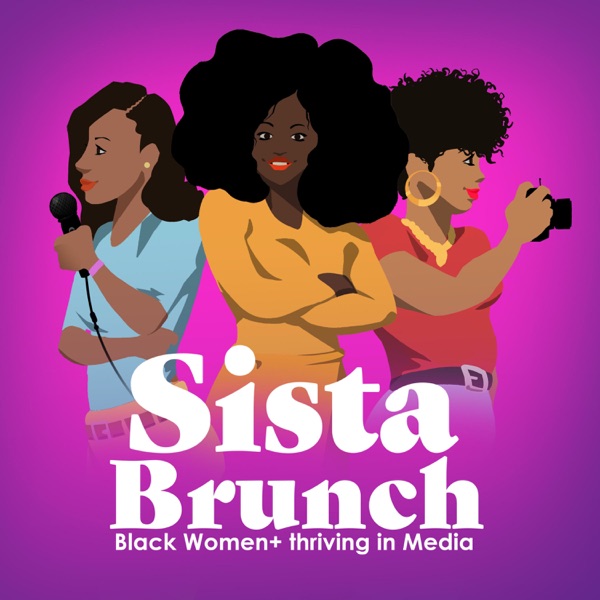
Pull up a chair. This is Sista Brunch. Sista Brunch is a weekly podcast sharing the stories of Black women and Black gender-expansive people thriving in film, TV, and media. Hosted by Fanshen Cox (she/they), co-author of the Inclusion Rider, the show is seven seasons and 140+ episodes deep — and still growing. Every week, our guests pull back the curtain. How they broke in. What their projects really cost. What they earn, and how they negotiate. The tools they can't work without. And the advice they'd give their younger selves. This trailer features the voices of Erika Green Swafford, Felicia D. Henderson, Effie T. Brown, Gina Prince-Bythewood, Rraine Hanson, Tre'vell Anderson, Gina Yashere, Isis King, Luchina Fisher, and Georgia Fort. Every listen helps us build the largest living archive of stories you won't hear anywhere else. New episodes every Tuesday. Watch and subscribe on YouTube: youtube.com/@TruJuLoMedia Follow us on Instagram: instagram.com/sistabrunchpodcast Join the community on Patreon: patreon.com/sistabrunch Learn more: sistabrunch.com Sista Brunch is a TruJuLo Productions show.
Four years running, the most-watched films on streaming have been led by Women of Color. So why is Hollywood still treating diverse stories as a risk? On this bonus episode of Sista Brunch, we sit down with Dr. Ana-Christina Ramón and Jade Abston, two of the researchers behind UCLA's Hollywood Diversity Report, to break down what the 2026 data actually shows about who gets to lead, direct, write, and who's actually watching. Dr. Ramón runs UCLA's Entertainment and Media Research Initiative and has spent more than two decades studying equity in Hollywood. Jade Abston is a PhD candidate at UCLA and a co-author on the report, whose own dissertation research looks at Black women's innovation in music videos and visual albums. We talk through the history of the report and why it had to be built independently of the studios, the numbers behind this year's findings for Black women in lead roles, directing, and writing, and the audience data that keeps proving the same point: Women of Color aren't just watching, they're driving the ratings. This conversation also unpacks something the headline numbers don't always show: how streaming algorithms shape what gets seen in the first place, and why visibility and sustainability are two different problems. Read the full UCLA Hollywood Diversity Report at socialsciences.ucla.edu Hosted by Fanshen Cox (she/they) Guests: Dr. Ana-Christina Ramón, Jade Abston Sista Brunch is brought to you by TruJuLo Productions. Watch on YouTube: youtube.com/trujulomedia Follow on Instagram: @SistaBrunchPodcast Support the show: patreon.com/sistabrunch GiveButter.com/SistaBrunch sistabrunch.com
Show Notes How does an "army brat" with no Hollywood connections become an Emmy-winning documentarian whose work sits at the center of one of the most urgent conversations in America? In this bonus brunch, filmmaker Luchina Fisher pulls up a chair to talk about the long, unexpected road from journalism to the director's chair—and the craft, ethics, and relationships that carry a story from the page to the screen to the front lines. Luchina is an Emmy-winning filmmaker, educator, and 2026 North Carolina Media and Journalism Hall of Fame inductee. She's the director behind the new feature documentary The Dads —a follow-up to her Emmy-winning 2023 Netflix short of the same name, executive produced by Dwyane Wade—which follows fathers of trans and gender-expansive kids deciding whether to stay and fight or leave the country. If you make things, fund things, or care about stories that move people toward action, this one's for you. Luchina shares the three questions every filmmaker should ask before any project, why "everything starts with the word" no matter how the technology changes, how an 11-minute short sparked a movement and a foundation, and an honest look at the money—including why the starving-artist myth has to go and what it actually took to pay her team. Pull up a chair. Don't cry. Eat your chicken biscuit. (You'll understand by the end.) In This Episode [00:00] – Big news: Sista Brunch joins the 2026 AIR New Voices AMPLIFY cohort (supported by Apple Podcasts), plus shout-outs to cohort shows worth your follow [02:30] – Welcome to the brunch table: meet Luchina Fisher [04:00] – Her Journey: growing up an army brat, the '70s–'80s golden age of screen, and a big brother directing the neighborhood kids in backyard Star Trek [06:00] – Childhood in Germany, learning the language, and watching reel after reel on the military base [08:00] – UNC Chapel Hill, journalism, the Miami Herald , a lifelong friendship with Tananarive Due , and the leap to study film at the University of Bristol [12:00] – The three questions every filmmaker must ask: Why this? Why now? Why me? On bias, ethics, and "can I sleep at night?" [14:00] – Her brother's charge to "do something," her mother's story, and seeing firsthand the power and urgency of story [16:00] – Becoming a mother, parenting a trans child, and how Gloria Allen became Mama Gloria [18:00] – Why The Dads: the fathers who show up, and the narrative we don't hear enough [19:30] – Let's Talk Tech: from journalist to documentarian, shooting on everything from 16mm to digital, and why the story—not the gear—is the thing [24:30] – The short as poetry: getting it under 12 minutes, designing for middle America, and the Netflix call the day after the SXSW premiere [28:00] – Filmmaking is relationships: how the retreat itself grew out of Luchina's idea to film these dads [31:30] – Financials: paying your team a livable wage, the post–George Floyd commission wave, her 2024 Daytime Emmy, the lean stretch after, and teaching at Yale and Fairfield [36:30] – Building the feature: Stephen Chukumba's "let's keep filming," house-party fundraising, Dwyane Wade, and Elevate Studios [42:00] – Support Sista Brunch + a peek at this summer's Sista Sessions [42:50] – Where and how to see The Dads : festival run, Pride Month screenings, and community screenings you can bring to your own town [44:30] – Sista Brunch: Luchina sits down with her 19-year-old self in Chapel Hill—a chicken biscuit, and the words she needed to hear [46:30] – Closing love and gratitude Resource Stack Luchina Fisher & her work Director's site: luchinafisher.com Production company: Little Light Productions The Dads (feature): thedadsfilm.com The Dads Foundation: thedadsfoundation.org The Dads (2023 Emmy-winning short) — on Netflix Mama Gloria — Luchina's documentary on Black trans elder activist Gloria Allen Team Dream — short documentary People & partners mentioned Dwyane Wade (executive producer) and Elevate Studios Stephen Chukumba, producer and Dads Foundation co-founder Tananarive Due, novelist, screenwriter, and director Human Rights Campaign / Parents for Transgender Equality Council AIR New Voices AMPLIFY cohort shows mentioned (links in the episode description) Consider This For Comfort — Eteng Ettah Reality Blurred — Andy Dehnart (President, Television Critics Association) Femme and Furious — Julia Rose Portela Super Sorry — Amber Janke Out of the Ashes — Vince Comegys-Davis With thanks to AIR (Association of Independents in Radio), Captain TK Dutes , and Lynn Casper Support Sista Brunch Donate: givebutter.com/SistaBrunch Patreon (including this summer's Sista Sessions): patreon.com/SistaBrunch
What's Greeking? What's a Frankenbite? What does it mean to "package" a project? And why does a Hollywood producer call a sewing machine her most important piece of technology? In this Sista Brunch Season 7 bonus episode, every guest shares the tool, term, or technology from their craft that an outsider would never understand. From set dressing to composing, from location management to unscripted TV editing, from documentary law to the future of AI -- this is the insider language of the entertainment industry, decoded by the people who use it every day. Fourteen guests. Fourteen windows into how this industry actually works. Whether you're trying to break in or you've been in it for decades, you'll learn something you didn't know. Full episode available on YouTube @TruJuLoMedia. Follow @SistaBrunchPodcast on Instagram. Support the show at Patreon.com/SistaBrunch or GiveButter.com/SistaBrunch.
While working as one of Sista Brunch's season seven associate producers, Charlie T. Savage was quietly making a feature film. Voices the Musical is a 1967 period piece with nine original songs, shot in nine days in Inglewood, now nominated for Best US Narrative Feature and Best Screenplay at the 30th Annual ABFF. In this bonus episode, Charlie shares the full journey -- co-writing the script in one month, fighting against the musical format (and being wrong), shooting a period piece with stunts and a 1965 car on a shoestring budget, and why networking across rather than up is the advice she'd give her younger self over a bag of crawfish and a Pineapple Big Shot. Full episode available on YouTube @TruJuLoMedia.Follow @SistaBrunchPodcast on Instagram.Support the show at Patreon.com/SistaBrunch or GiveButter.com/SistaBrunch.
Effie T. Brown is an award-winning producer, CEO of Game Changer Films, and a Governor of the Academy of Motion Picture Arts and Sciences. Her producing credits include Real Women Have Curves and Dear White People, and she made history when she challenged the lack of diversity on HBO's Project Greenlight -- a moment that helped spark the creation of the Inclusion Rider. In this season seven finale of Sista Brunch, Effie delivers one of the most transparent and unfiltered conversations we've ever had: -- Growing up as a latchkey kid in New Jersey and seeing Alien as a child -- the moment she realized women can save themselves and storytelling can bring everyone together -- Getting into the LMU film school on sheer audacity: "I'm gonna be bigger than Jerry Bruckheimer and Oprah Winfrey" -- The first class of Film Independent's Project Involve -- The full Project Greenlight story: what happened at the premiere, reading Matt Damon's microexpressions, and learning that she'd never hear from them again -- How that moment led directly to the Inclusion Rider and now state-level inclusion policy through the California Film Commission -- Real producer pay: $75K on Real Women Have Curves, underpaying herself on Dear White People, and doing Project Greenlight because her house was about to be foreclosed on -- Why producers should never defer their 5%: "You know who doesn't put their fee back? The director. The actors. The writers." -- Producers United and the fight for development fees and commencement fees -- Her quilting practice, Conjure Quilts: putting disparate pieces together to make something whole -- What verticals are and why they're the future: "Candy Crush with a narrative" -- Her vision for a collective fund where multiple companies pool resources and replenish the pot -- 18 years sober, gumbo, and the advice to her younger self: have a lot of sex and learn about distribution because they eat first and eat the most Effie was born at Fort Dix, New Jersey, attended Loyola Marymount University on a theater scholarship, and has spent her career making sure overlooked voices get heard, seen, paid, and credited. Keywords: Effie Brown, Sista Brunch Podcast, Game Changer Films, Project Greenlight, Inclusion Rider, Real Women Have Curves, Dear White People, producer salary, film producer, Academy Governor, micro drama, verticals, AKUNA, Idris Elba, Conjure Quilts, Film Independent, Project Involve, Producers United, independent film, Black women in Hollywood, distribution, entertainment business, HBO, diversity inclusion, California Film Commission, LMU, circular leadership
Diana Williams is the CEO and co-founder of Kinetic Energy Entertainment, a multi-platform venture studio building franchise IP across film, TV, video games, and immersive experiences. She is the former Creative Development and Franchise Producer for Star Wars at Lucasfilm, where she co-founded ILM Immersive -- the lab behind Vader Immortal and the Academy Award-winning Carne y Arena. In this conversation, Diana shares her path from a farm community in New Jersey to Georgetown to becoming the youngest person ever admitted to the DGA Assistant Directors Training Program, to building franchise worlds at Lucasfilm, to launching her own venture studio. She breaks down the difference between an idea and real IP, why every project should be run as a business, why the entertainment industry has fundamentally changed since 2019, and what collaboration, craft, and curiosity have to do with cheeseburgers. This episode also features co-host Shawn Pipkin-West, who shares an unexpected DGA Training Program connection with Diana. Full episode available on YouTube @TruJuLoMedia.Follow @SistaBrunchPodcast on Instagram.Support the show at Patreon.com/SistaBrunch or GiveButter.com/SistaBrunch. The Spotify description closes with "what collaboration, craft, and curiosity have to do with cheeseburgers" -- which is the kind of line that makes someone press play because they need to know the answer.
Ashlee Hypolite is the Executive Director of Hollywood CPR, the nonprofit workforce development program that provides free, union-track training for below-the-line careers in film, TV, and live events. In this conversation, Ashlee shares her journey from Trinidadian roots in Boston to Brandeis to CAA to leading one of the most impactful pipeline programs in the industry. She breaks down how Hollywood CPR works, what the union local numbers mean, the real cost of entry (free), and why below-the-line careers are one of the most viable and most overlooked paths into entertainment. She also talks about philanthropy, nonprofit finances, and what it takes to keep a program like this sustainable. Apply at hollywoodcpr.org. Full episode available on YouTube @TruJuLoMedia.Follow @SistaBrunchPodcast on Instagram.Support the show at Patreon.com/SistaBrunch or GiveButter.com/SistaBrunch.
Aaliyah Williams is an Emmy Award-winning producer and founder of Just a Rebel. She produced Netflix's Black Barbie, which earned two Daytime Emmys and an NAACP Image Award through Shondaland. In this conversation, Aaliyah shares her full journey -- from Harvard to finance to moving to LA without a film degree, from assisting for Effie Brown to producing a first short on 35mm that ended at Sundance, from building digital platforms at All Def Digital and MACRO to the real story behind how Black Barbie got to Netflix. She breaks down what it took to negotiate a deal that properly compensated the Black women who made the film, why she went to UCLA Law mid-career, and what she's directing next. Full episode available on YouTube @TruJuLoMedia.Follow @SistaBrunchPodcast on Instagram.Support the show at Patreon.com/SistaBrunch or GiveButter.com/SistaBrunch.
Kamala Avila-Salmon is a producer, studio executive, and inclusion strategist who has been at the center of how stories get developed and greenlit at major studios. She is the founder of Kas Kas Productions and previously led inclusive content strategy at Lionsgate, where she was embedded in creative development, marketing, and the greenlight committee. In this episode, Kamala breaks down the real mechanics of the entertainment industry with rare transparency: -- How "packaging" works and why studios expect producers to arrive with director, cast, and script already attached -- What studio salary bands actually look like from assistant to EVP, including how tech company titles like Netflix don't translate to traditional studio levels -- How she cold-emailed Clive Davis as a Harvard undergrad and landed her first music industry job -- The difference between buyers, sellers, and makers in the entertainment ecosystem -- Why inclusion work has to start at the development stage, not the marketing phase -- Her Story Spark tool for evaluating scripts beyond surface-level representation -- How a conversation with the Lionsgate chairman led to her production deal and the birth of Kas Kas Productions -- What she'd tell her 22-year-old self over a bacon egg and cheese and a Hugo Spritz Kamala was born in Jamaica and moved to New York as a child. She attended Harvard for undergrad and business school, worked in the music industry during the digital disruption era, transitioned to film and TV, and built a career defined by passion, curiosity, and a refusal to accept figurehead roles. Sista Brunch is the podcast building the largest archive anywhere of the stories of Black women and Black gender expansive people thriving in film, TV, and media. Hosted by Fanshen Cox and Shawn Pipkin-West. Listen on Apple Podcasts and Spotify. Watch the full episode on YouTube @TruJuLoMedia. Follow @SistaBrunchPodcast on Instagram for clips, community, and resources. Support the show at Patreon.com/SistaBrunch or GiveButter.com/SistaBrunch. Keywords: Kamala Avila-Salmon, Sista Brunch Podcast, Kas Kas Productions, Lionsgate, studio executive, film producer, inclusive storytelling, greenlight process, packaging film, entertainment salary transparency, Black women in Hollywood, Harvard Business School, music industry, Netflix titles vs studio titles, Story Spark, inclusion strategy, creative development, independent producer, Jamaican heritage, media representation
Journalist and media innovator Georgia Fort joins Fanshen and Shawn for a powerful conversation about her journey from radio intern to Emmy-nominated independent journalist — and why she's dedicating her career to building the next generation of storytellers. Georgia takes us inside the Derek Chauvin trial courtroom, talks about her transition from radio to TV news, and shares the deeply personal story of being detained by federal agents while doing her job. She also breaks down the business challenges facing independent journalism and why she founded the Center for Broadcast Journalism to invest in young journalists of color in Minnesota. Plus: Georgia's Let's Talk Tech segment on B-roll, and her beautiful answer to the Sista Brunch signature question. Support Georgia's work: https://www.centerforbroadcastjournalism.org/ Support Sista Brunch:Patreon: https://www.patreon.com/SistaBrunch GiveButter: https://givebutter.com/SistaBrunch Instagram: @SistaBrunchPodcastYouTube: @TruJuLoMediaWebsite: www.sistabrunch.com #SistaBrunch #BlackWomenInMedia #BlackWomenThriving #Journalism #GeorgiaFort #IndependentMedia #BroadcastJournalism #DerekChauvinTrial #PressFredom #MinnesotaJournalist #BlackPodcasts #WomenInMedia #PodcastClips
Ranking source
Apple Podcasts rankings via the Mato Topic Intelligence Platform.
Observed September 19, 2026. Cached outside the daily freshness window; the positions keep the date they were taken on.
Apple and Apple Podcasts are trademarks of Apple Inc., registered in the U.S. and other countries.
Pairs with
Bring this source into Mato to read its transferable patterns, then turn them into an original show for your own audience.