Mato just raised pre-seed Read more

Podcast charts
Published by Japanese with Noriko
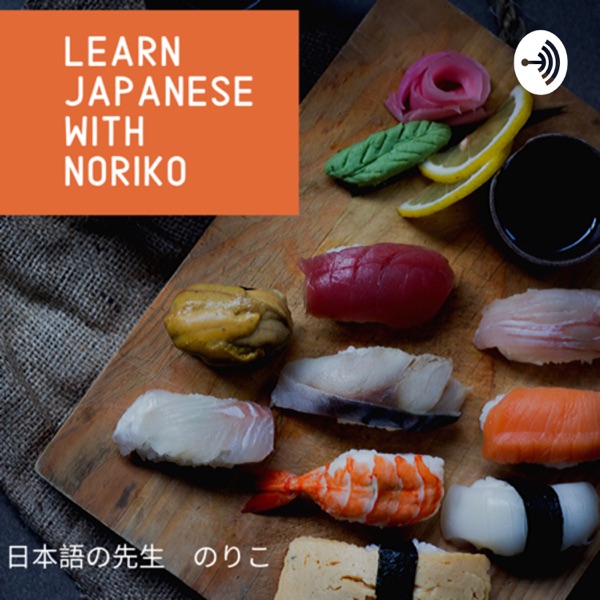
Hi, I’m Noriko 🌸—a certified Japanese teacher and Neurolanguage Coach®. Learn Japanese with Noriko is for intermediate to advanced learners. If you're an intermediate student, please start from Season 1—I speak slowly at first, then gradually faster. Season 3 is a level-up version with real-life dialogues, philosophy, and language learning topics. Join Japanese Together for our Podcast Conversation Club & Book Club, and sign up for my newsletter at Japanese with Noriko to learn about my coaching service. Enjoy listening!
On the charts
Every published chart this podcast appears in, in the snapshot behind this page. Each one links to the chart it came off.
From the feed
The latest episodes published to this podcast’s own RSS feed. Titles and descriptions are the publisher’s.
Transcription Noriko's instagram Japanese Together Community Summary 今回は、のりこさんが秋のリバプールを散歩しながら、最近の読書や日常の出来事について話します。 今読んでいるのは、韓国人作家の短編小説を英語に翻訳した本です。これまであまり読まなかった宇宙や未来の話ですが、登場人物の悩みや価値観は今の人間と変わらないことに気づき、楽しく読んでいます。 また、日本人女性が経営するパン屋で買い物をした後、エレベーターで知らない女性に話しかけられました。パンやケーキについての短い会話でしたが、温かい気持ちになりました。この経験から、知らない人に話しかけることへの考え方が少し変わり、自分も機会があれば声をかけてみたいと思うようになりました。 秋は疲れがたまり、やる気が出なくなることもあります。のりこさんは、そんなときに外に出て、新しい場所や芸術に触れることを勧めています。最近見たモダンダンスや、好きな音楽を聴きながら歩くことも、気分転換になっています。 Join Noriko for an autumn walk in Liverpool as she shares recent reading discoveries, an unexpected conversation, and small ways to refresh her motivation. She is enjoying an English translation of a Korean author’s science fiction short stories. Although she previously thought science fiction was not her genre, she finds the characters’ worries, values, and inner conflicts surprisingly familiar. Their journeys also prompt questions about space travel and moving to distant planets. After visiting a Japanese-style bakery with her husband, Noriko had a brief conversation with a stranger in a car park lift. A woman noticed her bakery bag and asked what she had bought. This simple exchange left Noriko feeling happy and helped her reconsider the assumption that talking to strangers might be unwelcome. She reflects on her experiences in Japan, Belfast, and Liverpool, and considers trying a conversation herself when the circumstances feel right. Noriko also discusses autumn tiredness and changing energy levels. A recent modern dance performance exploring healthcare gave her a fresh perspective, while walking to energetic K-pop helps lift her mood. This Japanese podcast offers listening practice through everyday reflections on books, human connection, art, and finding inspiration close to home.
Free Transcription Join our community Japanese Together. Key word : 便乗する / びんじょうする / to join someone else’s plans; to tag along Yasuyoさんが訪れた場所 World Cup Trip — USA & Mexico Dallas, USA(ダラス) Monterrey, Mexico(モントレー) Kimbell Art Museum, Fort Worth, USA(キンベル美術館) Modern Art Museum of Fort Worth, Fort Worth, USA(フォートワース近代美術館) Solo Trip — Germany Berlin(ベルリン) Hamburg(ハンブルグ) Elbphilharmonie, Hamburg(エルプフィルハーモニー) Bauhaus Dessau, Dessau(バウハウス・デッサウ校) Japanese summary 今回は、ゲストのやすよさんと、最近の旅行について話します。 やすよさんは、サッカーが大好きな家族と一緒に、ワールドカップの試合を見に行きました。自分は熱心なサッカーファンではありませんが、家族の旅行に「便乗」したそうです。会場では、メキシコの人たちも日本を応援していて、知らない人と喜びを分かち合いました。テレビでは味わえない臨場感や高揚感が、特に心に残っています。美術館も楽しみ、旅行の計画は娘に任せて、気楽に過ごしました。 一方、ドイツへの一人旅では、困ったことが次々に起きました。空港でスーツケースが入れ替わり、その後は電車のチケットが見つからなくなりました。さらに、間違った電車に乗ってしまい、予定より遠い場所まで行くことになりました。帰りの電車に乗るときも、ホームの案内に困り、最後は走って乗りました。それでも、見たかった建築や美術館を訪れることができ、満足できる旅になりました。 のりこさんも、家族と行ったスペイン旅行や、暑さが大変だったパリ旅行について話します。二人は、誰かに任せる旅と、自分で問題を解決する一人旅には、それぞれ違う面白さがあると振り返ります。 English summary In this episode of Japanese with Noriko, returning guest Yasuyo shares two very different travel experiences: a family trip to watch World Cup football and a solo adventure in Germany. After chatting about autumn in New York and the UK, they explore useful Japanese expressions through stories of excitement, unexpected problems and personal discovery. Yasuyo describes joining her football-loving family in Dallas and Monterrey, Mexico. Although she is not a die-hard fan, the atmosphere inside the stadium, the shared celebrations and Mexican supporters cheering for Japan made the experience memorable. Museum visits were another highlight, while letting her daughter handle the planning gave her mind a welcome rest. Her solo trip to Germany required much more independent problem-solving. A suitcase mix-up, a missing train ticket and boarding the wrong train led to a long, expensive detour. Confusing platform information added another challenge. Despite these difficulties, visiting architecture and art destinations made the journey worthwhile. Noriko also reflects on family travel in Alicante and the challenges of extreme heat in Paris. This natural Japanese conversation offers listening practice and invites learners to consider the differences between travelling alone and with others, including freedom, responsibility and the memories created when plans go wrong.
質問 今、人とつながっているなぁと感じていますか? オンラインで知り合った人と、 本当の意味で深い関係を作ることはできると思いますか? 一人でいることと、孤独であることはどう違いますか? Summary 今回のテーマは「孤独」と「人とのつながり」です。今はSNS、ビデオコール、Zoom、オンラインコミュニティなどを使って、世界中の人と簡単につながることができます。しかし、つながる方法が増えても、深い人間関係を感じられず、孤独を感じる人もいます。 コロナの後、仕事、勉強、買い物など、多くのことがオンラインでできるようになりました。生活はとても便利になりましたが、お店の人と話したり、近所の人と挨拶したり、知らない人と自然に話したりする小さな交流は減っているのかもしれません。 のりこさんはリバプールに引っ越してから、ブッククラブや哲学のディスカッションクラブなどに参加し、実際に人と会う交流を意識するようになりました。また、太宰治の『人間失格』を読んで、周りに人がたくさんいても、本当の自分を見せられなければ深い孤独を感じることがあると考えました。 一方で、オンラインでも深い関係を作ることはできると考えています。ただ、同じコミュニティに参加するだけでは十分ではありません。相手に興味を持つこと、話を聞くこと、何度も会うこと、コメントや返信をすることなど、小さな努力を続ける必要があります。 人間関係を作るためには時間がかかり、誤解されたり拒絶されたりする可能性もあります。それでも、自分から連絡したり、誘ったり、相手に歩み寄ったりすることが大切です。人間関係には効率化できない「面倒くささ」があり、その面倒くささこそが、人と深くつながるために必要なのではないか、ということを考えるエピソードです。 In this episode, Noriko explores loneliness and human connection in a world where technology makes it easier than ever to communicate. Social media, video calls, remote work, and online communities allow us to connect with people across the globe, yet many people still struggle with loneliness and a lack of meaningful relationships. Reflecting on life after COVID, Noriko considers how convenience may have reduced some of the small, spontaneous interactions that once happened naturally in everyday life. She shares her experiences of joining a quiet book club and a philosophy discussion group in Liverpool, where in-person conversations have helped her build a stronger sense of local community. She also connects the topic to Osamu Dazai’s No Longer Human , examining how someone can be surrounded by people while still experiencing profound loneliness when they cannot reveal their true self. Finally, Noriko reflects on both online and offline relationships. Meaningful connection, she argues, requires time, curiosity, commitment, courage, and repeated effort. Human relationships cannot be completely optimized for convenience or efficiency. Sometimes, the inconvenient and difficult work of reaching out is exactly what allows deeper relationships to grow.
質問:あなたにも、何年経っても心に残っていて、もう一度見たい作品や、もう一度訪れたい美術館がありますか?それはあなたの人生や思い出とどのようにつながっていますか? Summary 今回のテーマは「芸術の秋」です。Norikoさんは夫とロンドンのTate Modernへ行き、大好きなメキシコの画家、Frida Kahloの特別展を見ました。 フリーダは1907年にメキシコシティで生まれました。子供の頃に病気になり、18歳のときには大きな交通事故に遭いました。もともとは医者になりたかったそうですが、事故によってその夢を続けることが難しくなりました。長い治療生活の中で絵を描き始め、自画像を通して体の痛み、孤独、愛、怒り、そして自分のアイデンティティを表現しました。 また、フリーダの人生では、画家ディエゴ・リベラとの複雑な関係も重要でした。二人は芸術や政治的な考え方を通して惹かれ合いましたが、離婚と再婚も経験しました。フリーダの伝統的で色鮮やかなメキシコの服装も、彼女を象徴するものになっています。 Norikoさんがフリーダを好きになった背景には、20代後半に一人でメキシコを旅行した経験があります。メキシコシティの「青い家」を訪れた思い出は今でも強く残っています。今回の展覧会は、フリーダの作品を見るだけではなく、若い頃の自分やメキシコでの思い出ともう一度つながる機会にもなりました。 In this episode of Japanese with Noriko, Noriko explores the idea of “autumn for the arts” through the life and work of Mexican painter Frida Kahlo. After visiting a special exhibition at Tate Modern in London with her husband, she reflects on Kahlo’s paintings, personal struggles, identity, and lasting influence. Noriko introduces key moments from Kahlo’s life, including her childhood illness, the serious traffic accident she experienced at eighteen, and the long periods of treatment that followed. Originally interested in medicine, Kahlo began painting while spending extended periods in bed. Her self-portraits became a powerful way to express physical pain, loneliness, love, anger, and questions about identity. Noriko also discusses Kahlo’s complicated relationship with Mexican muralist Diego Rivera and her iconic traditional Mexican fashion. The exhibition also brings back Noriko’s memories of traveling alone through Mexico in her twenties. She recalls the vivid colors of Mexican cities and her visit to Kahlo’s famous Blue House in Mexico City. Through art, travel, and memory, this Japanese podcast episode explores how meaningful places and artworks can stay with us for many years.
私のサイトにTranscriptionがあります。勉強につかってみてね。 https://www.japanesewithnoriko.com/season-3-transcription ビートたけし『アナログ』 東畑開人『カウンセリングとは何か』 吉本ばななさん『TUGUMI』 村上春樹『ノルウェーの森』 村上春樹『遠い太鼓』 Japanese summary 今回は、いつもの本の紹介とは少し違い、のりこさんが本好きのYukoさんに読書についていろいろな質問をしました。 Yukoさんは、ストーリーのある本や情報が入った新書をよく読みます。本を選ぶときは、最初の1ページや1行目を読んで、そのときのフィーリングを大切にしているそうです。しかし最近は、信頼している人から直接おすすめされた本なら、中身をあまり確認しなくても買うことがあると話しました。人からすすめられた本は、その人と一緒に話したいという気持ちもあり、最後まで読みやすくなるそうです。 読書をするお気に入りの場所は、お風呂と階段です。特にお風呂ではタオルを使いながら本を読みます。また、本にメモをするときにはフリクションペンを使い、コーヒーやお茶を飲みながら読むこともあります。 本は図書館で借りるより書店で買うことが多く、本屋さんに行くと店内を一通り歩くのも好きです。また、友達と本を貸し合う楽しさや、中身を隠して本を渡す方法についても話しました。 買った本をすぐ読むこともあれば、「積読」してしまうこともあります。そして、Yukoさんが読書を好きになったきっかけは、学生時代に教科書で吉本ばななさんの『TUGUMI』の一部を読んだことでした。 最後には、Yukoさんが『ノルウェイの森』に再チャレンジしていること、のりこさんが村上春樹さんの旅行エッセイ『遠い太鼓』を読み終えたことについて話しました。二人にとって、本は一人で読むだけではなく、人とつながり、会話を楽しむきっかけにもなっています。 本好きの人に聞いてみよう - 普段、どんなジャンルの本をよく読んでいますか。- 本を選ぶとき、何を基準にしていますか。- 最初の1ページや1行目を読んでから、買うかどうか決めていますか。- 本の表紙やデザイン、装丁を見て、内容を知らずに思わず買ったことはありますか。- 「この本はやめておこう」と思うのは、どんなときですか。- 本を読むお気に入りの場所はありますか。- 読書をするときの決まった習慣や、お供にしているものはありますか。- 本は書店で買うことが多いですか。それとも図書館で借りることが多いですか。- 図書館に定期的に通っていますか。- 必ず立ち寄る書店はありますか。- 買った本をすぐに読む派ですか。それとも積読する派ですか。- 読書が好きになったきっかけは何ですか。- 今読んでいる本や最近読んだ本を、一冊紹介してもらえますか。
YouTubeでは、Video Podcastが見られます。 Japanese Togetherコミュニティに参加しませんか。毎週いろいろなMeet upをしていますよ。 有料チャレンジは定期的にやっています。私のサイトJapanese with NorikoのニュースレターにSign upしてみてね。ニュースレターでお知らせをしています。 In this episode of the Brain Friendly series, Noriko explores the “bandwagon effect”—our tendency to be attracted to products, ideas, or choices simply because many other people seem to support or use them. From social media advertising to popular products, phrases like “everyone is using this” or “the most popular choice” can easily influence our decisions. Noriko introduces four ways to avoid being swept along by the bandwagon effect: form your own opinion first, give yourself time before making a decision, actively look for opposing opinions, and ask yourself what you genuinely want. She then connects the concept to Japanese language learning. Popular apps, flashcards, textbooks, courses, and study methods may be effective for some learners, but that does not mean they are right for everyone. Goals, lifestyles, interests, personalities, and learning preferences differ. Before jumping to another new Japanese learning resource, Noriko suggests examining your current learning system. When do you study? How often do you review? How do you track progress? Sometimes the solution is not a new app or course, but a small change to your existing routine. The key is choosing a sustainable approach that fits your own goals.
YouTubeでは、Video Podcastが見られます。 Japanese Togetherコミュニティに参加しませんか。毎週いろいろなMeet upをしていますよ。 有料チャレンジは定期的にやっています。私のサイトJapanese with NorikoのニュースレターにSign upしてみてね。ニュースレターでお知らせをしています。 Japanese summary 今回のテーマは「恥ずかしい経験」です。まず、Norikoは、人生の中で経験した自分の失敗について話します。 その後、4人の生徒さんの恥ずかしい体験が紹介されます。結婚式に高いヒールを履いて行き、靴が石畳にはまってしまった人、レストランのトイレで鍵をかけ忘れ、ドアを開けた人とその後、隣のテーブルで会ってしまった人がいました。 また、フランス旅行中に臭いが強くなったカマンベールチーズを友達の家のトイレの窓から外にぶら下げた人もいます。最後は、クロアチアの小さな島で、裸で過ごしていたカップルの近くにボートで何度も近づいてしまった人の話です。 その時はとても恥ずかしくても、時間がたつと笑って話せる思い出になることがあります。今回のエピソードでは、失敗や予想外の出来事を人と共有する面白さも伝えられています。
今回のエピソードでは、まずポッドキャストの新しい実験について話します。YouTubeではビデオポッドキャストを公開し、Spotifyでは音だけを聞けるようにする予定です。動画や字幕などの情報が多すぎると、学習するときに頭の中で処理することが増えるためです。また、聞く前に概要欄のサマリーを読んで内容を知っておくことも、より深く学ぶための方法として紹介しています。 今回の大きなテーマは「本と旅」です。最初に紹介するのは、村上春樹さんの旅行エッセイ『遠い太鼓』です。村上さんが1986年から1989年ごろまでヨーロッパで生活しながら旅をした経験が書かれています。当時はスマートフォンやインターネットがなく、交通、郵便、役所の手続きなど、今より大変なことがたくさんありました。しかし、そのようなトラブルも旅を深い経験にしてくれます。 次に、沢木耕太郎さんの『深夜特急』について話します。この本は、のりこの人生に大きな影響を与えました。20代の時にこの本を読み、自分も世界を旅したいと思い、安定した仕事を辞めて旅行に出ました。その経験がきっかけとなり、日本語教師という新しい道につながりました。 一方、53歳になった今では、若い時と同じ旅行はできないと感じています。体力やお金、旅行に求める快適さが変わったからです。また、スマートフォン、インターネット、AIによって旅行はとても便利になりましたが、迷ったり、自分で問題を解決したりする経験は少なくなっています。便利さによって旅の「物語性」が少し失われているのではないかと考えます。 本や旅は、人生を変えるきっかけになることがあります。そして、旅行の失敗やトラブルも、時間が経つと大切な思い出になるかもしれません。今回のエピソードは、昔と今の旅を比べながら、便利さ、成長、年齢、人生のタイミングについて考える内容です。
At Japanese Together, we have a Book Club every month. 📚It’s a relaxed session where you can bring any book you’re currently reading, enjoy some quiet reading time together, and then chat about your book in Japanese.Every autumn, we also run a 5-week Reading Challenge, exclusively for Japanese Together community members. And yes, we’re doing it again this year — it will be our 5th Reading Challenge! 🍂📖If you love reading and want to enjoy more Japanese through books, we’d love to have you join us at Japanese Together.🌏 Japanese Together Community Learn, practise, and grow with other Japanese learners in a supportive space. 👉 https://japanese-together.mn.co 📚紹介した本森絵都『カラフル』イ・ヨンミ『魔女の体力 』小川糸『ツバキ文具店 』池田晶子『すべての人の死因は生まれたことである』(新潮新書)池田晶子『14歳からの哲学』 岡本真帆『水上バス浅草行き』 上級日本語教材『日本語で考えたくなる 科学の問い』🗒 TranscriptionAccess the full transcription to deepen your understanding and review at your own pace.https://www.japanesewithnoriko.com/season-3-transcription✍️ Substack – Japanese Blog : NihongoStorytimeRead my Japanese blog posts on Substack.Perfect for reading practice and building vocabulary step by step, especially for JLPT N3 level and above.https://nihongostorytime.substack.com/☕ Support My WorkIf you enjoy my content, you can support me here:Buy me a coffee 💛https://www.patreon.com/c/japanesewithnoriko🎧 Private Coaching Sessions, Weekly Newsletter & Podcast TranscriptionsInterested in working with me?Find all the details here ⬇️https://www.japanesewithnoriko.com/
Hitomiさんの Substack 星新一のショートショート『ボッコちゃん』 アメリカの作家シェル・シルヴァスタインの絵本『ぼくを探しに』 今回のエピソードでは、スコットランド・エジンバラで日本語教室を運営し、「Joyful Japanese Reading」を通して多読教材を作っているHitomiさんがゲストとして出演しました。 ひとみさんは、多読とは「自分のレベルに合った読み物をたくさん読むこと」だけではなく、「いろいろなジャンルの文章を読むこと」も大切だと話します。知らない言葉があっても、まずは文や写真から意味を考えながら読み進め、必要な言葉だけ後で調べる方法をすすめています。 また、ブッククラブでの経験や、学習者が本を選ぶときのサポートについても紹介しました。日本語の小説を読みたい人には、短編や子ども向けの本から始めることをおすすめしています。 最後に、多読は急ぐものではなく、旅のように楽しみながら続けることで、自然に日本語力が伸びていくと伝えています。
紹介した小説:南綾子『痩せたらかわいくなるのにね?』 今回のエピソードでは、年齢を重ねることや、自分の体と見た目との向き合い方について話しています。ルッキズムとは、人を見た目で評価する考え方です。私は、この考え方に挑戦し、自分らしく年齢を重ねたいと考えています。また、自分の体を無理に好きになる「ボディーポジティブ」よりも、体の機能に感謝する「ボディーニュートラル」の考え方に共感しています。 ※注記:このエピソードでは、小説の内容を説明するために、「デブ」という言葉を数回引用しています。これは作品中の表現をそのまま紹介しているものであり、私自身の考えや価値観を表すものではありません。この小説は、外見による偏見やルッキズムを問い直す作品です。 Note: I use the Japanese word 「デブ」 a couple of times in this episode because I am referring directly to the language used in the novel. I am quoting the author's wording to explain the story, not expressing my own opinion. The novel itself questions and critiques appearance-based judgment.
今回は、日本語学習チャンネル「「にほんごのじかん」」のYukiさんをゲストに迎えて、「哲学おしゃべりカード」を使いながら二つのテーマについて話しました。 一つ目のテーマは「時間はどうして大切なの?」です。二人は、時間は限られているから大切だという考えに共感しました。しかし、効率よく行動することだけが時間を大切にすることではないという話にもなりました。何もしない時間や、ゆっくり休む時間にも意味があり、そのような時間が心や体にとって大切だという意見を交換しました。 二つ目のテーマは「学校では好きなことができる?」です。学校では好きなことだけをすることはできませんが、さまざまな教科や人との出会いを通して、自分の興味や可能性を見つけるきっかけになるという考えが紹介されました。また、学校は社会に出るための練習の場でもあり、人間関係や集団生活を学ぶ大切な場所ではないかという話になりました。 最後に、AI時代の学校の役割についても触れ、これからの教育について考えるきっかけになる対話となりました。
とある中国人のむいむい『とある中国人のむいむいの「私たちはどうしても日本にムキになる』 イ・ヨンミ『魔女の体力 』 朝井リョウ『イン・ザ・メガチャーチ』 川上未映子『乳と卵 』 あかね的日本語教室『マンガで学ぼう! 生活で使える日本語文法』 私のサイトには無料スクリプトがあります。そして、Japanese Togetherというコミュニティでは、Yukoさんと私がBook Clubをやっています。 今回のエピソードでは、最初に日本とヨーロッパの暑さや天気について話しました。ヨーロッパではヒートウェーブ(熱波)が続き、エアコンがない家も多いため、とても大変だったという話がありました。 そのあと、おすすめの本を紹介しました。一冊目は、中国出身のYouTuber・むいむいさんのエッセイです。日本語を学ぶ人の気持ちや、日本で生活する中で感じたことが書かれていて、日本語学習者にも日本人にもおすすめできる本だと紹介しました。また、「日本人を理解したいけれど、日本人そのものになりたいわけではない」という考えについても話し合いました。 続いて紹介した『魔女の体力』では、40代から運動を始めた女性の体験を通して、「読書・運動・外国語学習」の共通点や、年齢を重ねても健康のために体力をつけることの大切さについて話しました。
今回のエピソードでは、Norikoがスペインのアリカンテへ旅行した経験を通して、学習中の言語を実際に使うことの大切さについて話しています。 Norikoは約20年前にスペイン語を熱心に勉強していましたが、イギリスへ移住してからは英語学習を優先し、長い間スペイン語の勉強をしていませんでした。しかし、今年アリカンテへ旅行することが決まり、もう一度スペイン語の勉強を始めました。 旅行中はレストランやカフェで積極的にスペイン語を使うことに挑戦しました。その中で注文の言い方を間違えることもありましたが、現地の人に訂正してもらいながら学ぶことで、強く記憶に残ったと話しています。 また、教科書だけでは学べないリアルな言葉やアクセント、騒がしい環境での会話などを体験し、旅行は最高の言語学習の機会だと感じました。 最後に、日本へ旅行する機会があれば、小さな日本語チャレンジを作り、失敗を恐れずに実際に日本語を使ってみてほしいと伝えています。
🎙️ 日本語ポッドキャストリレー特別企画! これは、日本語学習者向けポッドキャストの運営者が、 同じお題 でそれぞれエピソードを作って公開する特別企画です。 この企画は、 Let's Talk in Japanese のトモさんが中心となって始まりました。 👇 下のリンクから、参加しているポッドキャストのリストを見ることができます。また、 次のお題をリクエスト することもできますので、ぜひ参加してみてください! https://ruby-s.net/jpr/ 私はこの企画がとても好きなので、第2弾、第3弾もできるだけ参加したいと思っています。 どうぞお楽しみに! 🎙️ Japanese Podcast Relay – Special Collaboration! This is a special collaboration where podcast creators for Japanese learners each make and publish an episode based on the same topic . The project was started and organised by Tomo from Let's Talk in Japanese . I'm really enjoying this project, and I hope to take part in the second and third rounds as well. Stay tuned!
Would you like to learn some vocabulary and useful phrases from this episode? Check out the study content on Substack. Here’s the link: https://nihongostorytime.substack.com/p/packing-for-spain-japanese-travel Join our community Japanese Together Japanese Summary 今回は、のりこさんが2026年最初の旅行としてスペインのアリカンテへ行く前の準備と、実際に旅行した後の感想について話しています。 出発の4日前ということで、荷造りの様子を紹介しました。夫婦で大きなスーツケースを一つだけ持って行く予定で、その理由は家族や友人へのプレゼントやお土産をたくさん準備したからです。また、10年以上使っているお気に入りの無印のバックパックについても紹介しました。収納が多く便利で、今でも大切に使っています。 旅行にはお気に入りのTシャツや本を持って行く予定で、とても楽しみにしている様子が伝わってきます。 後半では、実際に訪れたアリカンテについて紹介しています。アリカンテはスペイン南東部の地中海沿岸にある人気のリゾート地で、美しいビーチや新鮮なシーフードが有名です。特にイカ墨のパエリアやティント・デ・ベラーノがお気に入りだったそうです。 また、アルテアやビジャホヨサといった近郊の町も訪れ、美しい景色やチョコレートで有名な町の魅力を楽しみました。家族と過ごした充実した1週間の旅行について語っています。 In this episode, Noriko shares both the preparation and highlights of her first trip of 2026, a one-week family vacation to Alicante, Spain. She begins by describing her packing process four days before departure. To keep things simple, she and her husband decided to travel with just one large suitcase, although they had already filled part of it with gifts and souvenirs for family members and friends they planned to meet during the trip. Noriko also introduces her favorite backpack, a Muji bag she bought in Japan about ten years ago and has continued using ever since because of its practical design and storage space. She talks about choosing clothes, preparing gifts for her niece and nephew, and selecting three books to bring along for the journey. Her excitement about the upcoming trip is clear throughout the discussion. In the second half of the episode, Noriko reflects on her time in Alicante. She describes the city as a beautiful Mediterranean resort destination known for its beaches, seafood, and sunny climate. She especially enjoyed swimming in the sea, eating seafood paella and squid-ink paella, and drinking tinto de verano. She also recommends day trips to Altea and Villajoyosa, two charming coastal towns with unique architecture, beautiful scenery, and local culture. Overall, the episode offers a personal and engaging travel experience while introducing listeners to the attractions of Alicante and the surrounding region.
Join our community Japanese Together この会話では、のりこさんとやすよさんが「褒めること」と「褒められること」という、意外に複雑なテーマについて話しています。最初に、日本語スピーキングチャレンジでの気づきとして、多くの学習者が褒められると恥ずかしい、または気まずいと感じることが紹介されます。また、褒め言葉に対して、説明を加えたり、自分の成果を小さく見せたりする人もいることが語られます。 二人は、どんな褒め言葉なら素直に受け取れるのか、またどんな褒め方がプレッシャーになるのかを考えます。服や見た目についての自然な一言は、裏の期待がないため受け取りやすい一方で、成績やパフォーマンスに関する褒め言葉は、評価されている感覚や「次も頑張らなければ」という圧力につながることがあります。 さらに、教育、子育て、コーチング、日本語学習における現代的なフィードバックのあり方にも話が広がります。結果だけでなく、努力や成長、その人自身の経験を認めることの大切さが語られます。タップダンスの発表会やピエロのワークショップの話を通して、本当に心に残る褒め言葉は、成功を評価するものではなく、その人らしさや努力を見てくれる言葉なのだと伝わってきます。 In this conversation, Noriko and Yasuyo explore the surprisingly complex topic of giving and receiving compliments. The discussion begins with observations from a Japanese speaking challenge, where many learners shared that being praised often makes them feel embarrassed or uncomfortable. Some people instinctively downplay compliments by giving explanations or dismissing their achievements. The hosts reflect on when compliments feel genuine and when they can create pressure. They discuss how simple comments about appearance or personal style are often easier to accept because they do not contain hidden expectations. In contrast, praise connected to grades, performance, or achievement may unintentionally make someone feel evaluated or pressured to maintain results. They also examine modern approaches to education, parenting, coaching, and language learning. Rather than focusing only on outcomes, they highlight the importance of recognizing effort, growth, and individual experiences. Personal stories from tap dancing, performance experiences, and creative workshops illustrate how meaningful feedback often comes from being truly seen and understood. The episode ultimately suggests that effective praise is less about judging success and more about acknowledging a person’s unique journey, effort, and authentic self.
あかね先生:日本語オノマトペの本『生活で使える日本語オノマトペ』 八木詠美『空芯手帳』 綿矢りさ『グレタ・ニンプ』 嶋津輝『カフェーの帰り道』 夏目漱石『こころ』 朝井リョウ『そして誰もゆとらなくなった』 楊双子『台湾漫遊鉄道のふたり』(Taiwan Travelogue ) In this episode of BookTalk, Noriko and Yuko reconnect after a break and discuss several memorable books they have recently read. The conversation begins with a book about Japanese onomatopoeia, which Yuko highly recommends for both Japanese learners and teachers because it makes a difficult topic approachable and enjoyable. They then move on to Kūshin Techō , a novel about a woman who tells a lie about being pregnant after becoming frustrated with how she is treated at work. The discussion explores why readers may sympathize with the character and how the story raises interesting questions about honesty, social expectations, and personal survival. A major part of the episode focuses on Cafe no Kaerimichi , a novel set from the Taishō era into the postwar period. Both hosts praise its portrayal of women who pursue freedom and independence despite social limitations. The historical setting, fashion, work culture, and everyday life of women from that era make the novel especially engaging. They also talk about Asai Ryō’s essay collection Soshite Daremo Yutoranakunatta , highlighting its humorous stories of personal mistakes and social awkwardness. Finally, they discuss Taiwan Manyū Tetsudō no Futari , a Taiwanese novel that combines friendship, food, history, and reflections on the complex relationship between colonizer and colonized. The book leaves a strong impression and inspires curiosity about Taiwan and its history.
Check my links https://bio.site/japanesewithnoriko 1) 問いかけ・振り返りの質問 子どもの頃に思い描いていた将来の夢は、現在の自分の価値観や生き方にどのような影響を与えていると思いますか。 「何になるかより、何をやるかの方が大事だ」という考え方について、あなたはどのように感じますか。 人の職業観は家庭環境や育った社会からどの程度影響を受けると思いますか。 子どもの頃に憧れていた職業と、実際に選んだ進路が異なる場合、その変化にはどのような意味があると考えますか。 夢を周囲に話すことには、どのようなメリットとデメリットがあるでしょうか。 「大きなことを100個言って一つ叶えばいい」という考え方は、挑戦する姿勢にどのような影響を与えると思いますか。 将来の夢を持つことと、自分に合った生き方を見つけることは、どのような関係があると考えますか。 In this episode, Noriko talks about childhood dreams and future career aspirations. She introduces the results of a Japanese survey that asked elementary school boys and girls what jobs they want when they grow up. Surprisingly, “company employee” ranked very highly for both boys and girls, alongside more traditional dream jobs such as YouTuber, professional baseball player, kindergarten teacher, and pastry chef. Noriko reflects on how children’s career aspirations may be influenced by their parents, environment, and everyday experiences. She then invites listeners to think about their own childhood dreams and share them in the comments. Looking back on her own life, Noriko explains that her dream changed many times. At different stages, she wanted to become a piano teacher, an elementary school teacher, a writer, and even a flight attendant after being inspired by a television drama. She also reads an essay she wrote at age fifteen about her future dreams. Many of the hopes she expressed then—traveling abroad, meeting people from different countries, and finding a suitable profession—have become reality through her work as a Japanese teacher. Finally, she shares inspiring quotes from Naruse, a favorite fictional character, encouraging listeners to focus on actions, embrace challenges, and keep moving forward with confidence.
やすよさんの インスタグラム Join our community Japanese Together 「旅モード」と「日常モード」の違いは、本当に場所によって決まると思いますか。 建築や空間のデザインが、人の感情や考え方に与える影響についてどう思いますか。 「世界があなたの庭」という考え方から、どのような生き方を想像しますか。 旅行中に仕事を続けるスタイルには、どんなメリットやデメリットがあると思いますか。 歴史や芸術を事前に学んでから旅行することは、体験をどのように変えると思いますか。 In this episode, Yasuyo returns as a guest to talk about her busy April and her recent trip through Central Europe. She visited Vienna in Austria, Budapest in Hungary, and also took a day trip to Bratislava in Slovakia. Although the trip lasted only about ten days, it felt unique because she mixed travel with online teaching. Sometimes she would go to an opera or museum and then teach a lesson shortly afterward, creating a strange feeling where travel and daily life blended together. A major highlight of the trip was architecture. Yasuyo was especially inspired by the work of Austrian architect Otto Wagner in Vienna and by the “House of Music” designed by Japanese architect Sou Fujimoto in Budapest. She describes how certain spaces gave her emotional energy and made her reflect on ideas like freedom, perspective, and how “the world can become your garden.” The conversation also explores the meaning of travel itself. Yasuyo talks about how continuing her normal routines abroad—such as working, going to concerts, or even using saunas—made her question what really separates “travel mode” from “daily life.” The episode becomes a thoughtful discussion about mindset, borders, culture, history, and the joy of seeing the world with curiosity. 久しぶり(ひさしぶり)- after a long time 落ち着く(おちつく)- to calm down 録音(ろくおん)- recording 日帰り(ひがえり)- day trip 首都(しゅと)- capital city 感覚(かんかく)- sensation, feeling 歴史(れきし)- history 都(みやこ)- capital 実験的(じっけんてき)- experimental 体力的(たいりょくてき)- physically 深夜(しんや)- late at night 寝不足(ねぶそく)- lack of sleep 憧れる(あこがれる)- to admire 建築家(けんちくか)- architect 郵便局(ゆうびんきょく)- post office 豪華(ごうか)- luxurious 地下鉄(ちかてつ)- subway 溶け合う(とけあう)- to blend together 文化施設(ぶんかしせつ)- cultural facility 緩やか(ゆるやか)- gentle, gradual 景色(けしき)- scenery 意識(いしき)- awareness 引き寄せられる(ひきよせられる)- to be attracted 温泉(おんせん)- hot spring 哲学的(てつがくてき)- philosophical 日常(にちじょう)- everyday life 配慮(はいりょ)- consideration 移動(いどう)- movement, travel 雰囲気(ふんいき)- atmosphere 賑やか(にぎやか)- lively
Ranking source
Apple Podcasts rankings via the Mato Topic Intelligence Platform.
Observed November 24, 2026.
Apple and Apple Podcasts are trademarks of Apple Inc., registered in the U.S. and other countries.
Pairs with
Bring this source into Mato to read its transferable patterns, then turn them into an original show for your own audience.