Mato just raised pre-seed Read more

Podcast charts
Published by Penguin Random House
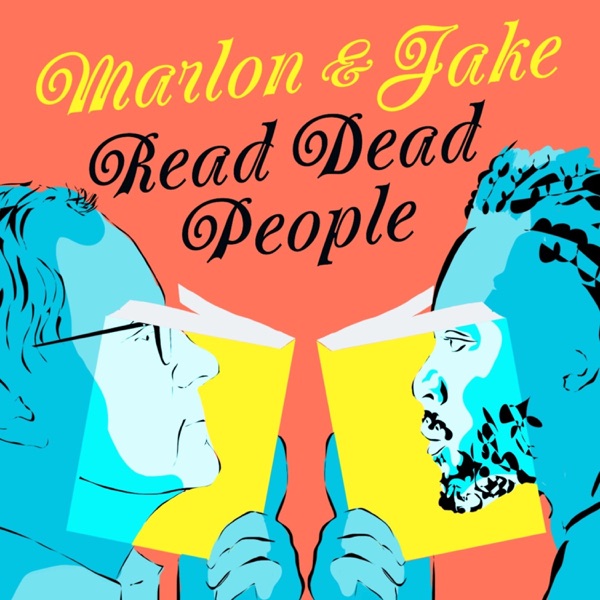
Marlon and Jake Read Dead People is a podcast hosted by the Booker Prize-winning and internationally bestselling author Marlon James and his editor, Jake Morrissey, Executive Editor at Riverhead Books. In each episode, Marlon and Jake talk about authors—specifically dead authors. Authors they like. Authors they hate. Great books, terrible books, and books they love that you’d never expect them to. As a writer and an editor, Marlon and Jake have read thousands of books between them, and they’re not shy in expressing their opinions about them. Sometimes they’ll agree, sometimes they won’t, but in every episode, they’ll tell you what they think— uncensored and with no holds barred. (That’s why the authors have to be dead.) So, listen along to hear about the spectacularly good, the hilariously bad, and the brutally honest.
On the charts
Every published chart this podcast appears in, in the snapshot behind this page. Each one links to the chart it came off.
From the feed
The latest episodes published to this podcast’s own RSS feed. Titles and descriptions are the publisher’s.
In our last episode of the season, Marlon and Jake take on the worst books by the best authors—or at least, authors they usually love. They discuss why a journalist’s instincts can be both a gift and a curse when writing fiction, the importance of a great editor, writers who seem more interested in ideas than people, and novels that try so hard to be current they end up aging badly. Tune in for a conversation about literary misfires and wasted genius. Subscribe to our River-herd digital newsletter and our print newspaper, The Eddy , for sneak peeks of our upcoming books, free giveaways, and exclusive content: https://sites.prh.com/the-eddy-newspaper The Devil and Sonny Liston by Nick Tosches In the Hand of Dante by Nick Tosches The Year of Magical Thinking by Joan Didion Slouching Towards Bethlehem by Joan Didion The Pickwick Papers by Charles Dickens I Am Charlotte Simmons by Tom Wolfe Orlando by Virginia Woolf Wolf Hall by Hilary Mantel A Tale of Two Cities by Charles Dickens Barnaby Rudge by Charles Dickens The Golden Notebook by Doris Lessing The Golden Bowl by Henry James My Son’s Story by Nadine Gordimer Quicksand by Nella Larsen The Spy Who Loved Me by Ian Fleming The Day of the Jackal by Frederick Forsyth Hotel by Arthur Hailey Hollywood Wives by Jackie Collins The Carpetbaggers by Harold Robbins Peyton Place by Grace Metalious Whirlwind by James Clavell Gai-Jin by James Clavell The Breast by Philip Roth Portnoy’s Complaint by Philip Roth Humboldt’s Gift by Saul Bellow Mr. Sammler’s Planet by Saul Bellow A Small Town in Germany by John le Carré The Little Drummer Girl by John le Carré A Perfect Spy by John le Carré The Continental Op by Dashiell Hammett The Far Pavilions by M. M. Kaye Go Set a Watchman by Harper Lee Until August by Gabriel García Márquez Heartburn by Nora Ephron Ancient Evenings by Norman Mailer The Naked and the Dead by Norman Mailer The Executioner’s Song by Norman Mailer India: A Wounded Civilization by V. S. Naipaul The Power Broke r by Robert Caro Terrorist by John Updike
Marlon and Jake discuss the books they’d banish from school reading lists—not ban but give a well-earned time out. They consider why the Bible shouldn’t make the cut, why mythology deserves to expand beyond the Greeks and Romans, and what kinds of books actually resonate with high school readers. Plus: why being a great book doesn’t necessarily make something a great book to teach—and whether length should matter. Subscribe to our River-herd digital newsletter and our print newspaper, The Eddy , for sneak peeks of our upcoming books, free giveaways, and exclusive content: https://sites.prh.com/the-eddy-newspaper Mythology by Edith Hamilton Of Mice and Men by John Steinbeck The Grapes of Wrath by John Steinbeck The Pearl by John Steinbeck “Who Am I This Time?” by Kurt Vonnegut King Solomon’s Mines by H. Rider Haggard Benito Cereno by Herman Melville The Tempest by William Shakespeare The Radiance of the King by Camara Laye The Great Gatsby by F. Scott Fitzgerald “The Library of Babel” by Jorge Luis Borges “The Aleph” by Jorge Luis Borges Wuthering Heights by Emily Brontë The Monk by Matthew Gregory Lewis The Woman in White by Wilkie Collins The Moonstone by Wilkie Collins Wide Sargasso Sea by Jean Rhys Ethan Frome by Edith Wharton The Hitchhiker’s Guide to Galaxy by Douglas Adams The History of Tom Jones, a Foundling by Henry Fielding The House of Mirth by Edith Wharton The Age of Innocence by Edith Wharton The Merry Wives of Windsor by William Shakespeare The Comedy of Errors by William Shakespeare As You Like It by William Shakespeare Twelfth Night by William Shakespeare You Can’t Take It with You by George S. Kaufman and Moss Hart A Raisin in the Sun by Lorraine Hansberry Death of a Salesman by Arthur Miller Animal Farm by George Orwell 1984 by George Orwell The Trial by Franz Kafka Gulliver’s Travels by Jonathan Swift The Swiss Family Robinson by Johann David Wyss Brave New World by Aldous Huxley Look Back in Anger by John Osborne Butley by Simon Gray The Loneliness of a Long-Distance Runner by Alan Sillitoe Lucky Jim by Kingsley Amis The Circle by W. Somerset Maugham
Marlon and Jake take on violence in fiction: what makes it effective, what makes it gratuitous, and whether “gratuitous violence” is even a useful distinction. Tune in as they discuss the difference between violence on the page and on screen and why extended cruelty can be harder to stomach than violence itself. Subscribe to our River-herd digital newsletter and our print newspaper, The Eddy , for sneak peeks of our upcoming books, free giveaways, and exclusive content: https://sites.prh.com/the-eddy-newspaper . Lord of the Flies by William Golding All Quiet on the Western Front by Erich Maria Remarque Cities of the Red Night by William S. Burroughs Naked Lunch by William S. Burroughs Blood Meridian by Cormac McCarthy The Godfather by Mario Puzo The Bluest Eye by Toni Morrison A Clockwork Orange by Anthony Burgess 2666 by Roberto Bolaño Wolf Hall by Hilary Mantel Titus Andronicus by William Shakespeare The Count of Monte Cristo by Alexandre Dumas Hamlet by William Shakespeare King Lear by William Shakespeare Of Mice and Men by John Steinbeck A Distant Mirror by Barbara W. Tuchman Frankenstein by Mary Shelley
Marlon and Jake explore the power of setting in novels—and why the best stories feel like they couldn’t have happened anywhere else. They discuss settings that become characters in their own right, fictional worlds they’d love (or absolutely hate) to inhabit, and books that made unexpected places fascinating. Plus: why a modern-day Captain Nemo might just be a tech bro. Subscribe to our River-herd digital newsletter and our print newspaper, The Eddy , for sneak peeks of our upcoming books, free giveaways, and exclusive content: https://sites.prh.com/the-eddy-newspaper . Amerika by Franz Kafka Treasure Island by Robert Louis Stevenson Mutiny on the Bounty by Charles Nordhoff and James Norman Hall Moby-Dick by Herman Melville Master and Commander by Patrick O’Brian Robinson Crusoe by Daniel Defoe The Long Ships by Frans G. Bengtsson The Haunting of Hill House by Shirley Jackson We Have Always Lived in the Castle by Shirley Jackson Masters of Atlantis by Charles Portis Wise Blood by Flannery O’Connor The Last of the Mohicans by James Fenimore Cooper Steppenwolf by Hermann Hesse Gormenghast trilogy by Mervyn Peake Dubliners by James Joyce The Ballad of the Sad Café by Carson McCullers Jane Eyre by Charlotte Brontë Tinker, Tailor, Soldier, Spy by John le Carré Journey to the Center of the Earth by Jules Verne Twenty Thousand Leagues Under the Sea by Jules Verne The Bridge of San Luis Rey by Thornton Wilder One Hundred Years of Solitude by Gabriel García Márquez The Catcher in the Rye by J. D. Salinger From the Mixed-Up Files of Mrs. Basil E. Frankweiler by E. L. Konigsburg The Merry Adventures of Robin Hood by Howard Pyle The Swiss Family Robinson by Johann David Wyss My Life in the Bush of Ghosts by Amos Tutuola The Lord of the Rings by J. R. R. Tolkien Ragtime by E. L. Doctorow A Room with a View by E. M. Forster Macbeth by William Shakespeare Dune by Frank Herbert The Last Man by Mary Shelley Little House in the Big Woods by Laura Ingalls Wilder
Marlon and Jake explore the books that have helped define who they are, choosing four that capture different parts of their personalities and lives. They unpack how reading can shape our understanding of identity, community, and growing up—and change the way we see ourselves and each other. Tune in as they reflect on books they encountered at exactly the right (or wrong) time and the stories that made the world around them feel a little bigger. Subscribe to our River-herd digital newsletter and our print newspaper, The Eddy , for sneak peeks of our upcoming books, free giveaways, and exclusive content: https://sites.prh.com/the-eddy-newspaper . Amadeus by Peter Shaffer Sleuth by Anthony Shaffer The Lion in Winter by James Goldman The Catcher in the Rye by J. D. Salinger Franny and Zooey by J. D. Salinger Mrs. Dalloway by Virginia Woolf The Red and the Black by Stendhal The Sorrows of Young Werther by Johann Wolfgang von Goethe Don Quixote by Miguel de Cervantes Giovanni’s Room by James Baldwin The Aspern Papers by Henry James Persuasion by Jane Austen A Room of One’s Own by Virginia Woolf Nicholas and Alexandra by Robert K. Massie Pale Horse, Pale Rider by Katherine Anne Porter Ship of Fools by Katherine Anne Porter For Colored Girls Who Have Considered Suicide When the Rainbow is Enuf by Ntozake Shange Sula by Toni Morrison The Women of Brewster Place by Gloria Naylor X-Men by Stan Lee and Jack Kirby The Adventures of Tom Sawyer by Mark Twain All Quiet on the Western Front by Erich Maria Remarque A Single Man by Christopher Isherwood Under the Volcano by Malcolm Lowry The Poisoned Chocolates Case by Anthony Berkeley
Marlon and Jake dive into one of literature's trickiest subjects: sex. Why do some writers capture intimacy with honesty while others veer into the unintentionally hilarious? Along the way, they discuss why writing about sex is really writing about people, the differences between American and French attitudes toward sexuality in fiction, ghost stories as a vehicle for taboo desires, and the delicate balance between telling the truth and keeping readers engaged. Tune in for a conversation about why the best writing on sex is rarely just about sex. Subscribe to our River-herd digital newsletter and our print newspaper, The Eddy , for sneak peeks of our upcoming books, free giveaways, and exclusive content: https://sites.prh.com/the-eddy-newspaper . Portnoy’s Complaint by Philip Roth “The Diamond Mine” by Nadine Gordimer The Late Bourgeois World by Nadine Gordimer Death of Venice by Thomas Mann The Picture of Dorian Gray by Oscar Wilde Kiss of the Spider Woman by Manuel Puig Miracle of the Rose by Jean Genet Maurice by E. M. Forster The Age of Innocence by Edith Wharton Ernesto by Umberto Saba Tropic of Cancer by Henry Miller London Fields by Martin Amis The Best of Everything by Rona Jaffe Sex and the Single Girl by Helen Gurley Brown G . by John Berger Flashman series Lucky Jim by Kingsley Amis The Old Devils by Kingsley Amis The Pickwick Papers by Charles Dickens The Bloody Chamber by Angela Carter Blood Meridian by Cormac McCarthy Wolf Hall by Hilary Mantel The Godfather by Mario Puzo Jaws by Peter Benchley
Marlon and Jake tackle the writers they have no interest in revisiting, asking when it's worth giving a beloved (or notorious) author another chance and when it's perfectly fine to walk away for good. Tune in as they debate literary canon, books that simply aren't for them, the difference between a difficult author and a difficult book, and why sometimes the most honest review is, "Nobody needs to go back to that" Subscribe to our River-herd digital newsletter and our print newspaper, The Eddy , for sneak peeks of our upcoming books, free giveaways, and exclusive content: https://sites.prh.com/the-eddy-newspaper . The Executioner series by Don Pendleton Hotel by Arthur Hailey Airport by Arthur Hailey Wheels by Arthur Hailey The Moneychangers by Arthur Hailey Advise and Consent by Allen Drury Shōgun by James Clavell Tai-Pan by James Clavell King Rat by James Clavell Whirlwind by James Clavell Fear and Loathing in Las Vegas by Hunter S. Thompson The Rum Diary by Hunter S. Thompson Light in August by William Faulkner Absalom, Absalom! by William Faulkner The Sound and the Fury by William Faulkner As I Lay Dying by William Faulkner Pylon by William Faulkner In Cold Blood by Truman Capote Music for Chameleons by Truman Capote Answered Prayers by Truman Capote “Where Is the Voice Coming from?” by Eudora Welty The Ballad of the Sad Café by Carson McCullers The Heart Is a Lonely Hunter by Carson McCullers Tess of the d’Urbervilles by Thomas Hardy Jude the Obscure by Thomas Hardy The Return of a Native by Thomas Hardy The Golden Notebook by Doris Lessing The Summer Before the Dark by Doris Lessing Children of Violence series by Doris Lessing Pentimento by Lillian Hellman Scoundrel Time by Lillian Hellman An Unfinished Woman by Lillian Hellman The Blithedale Romance by Nathaniel Hawthorne The Scarlet Letter by Nathaniel Hawthorne Appointment in Samarra by John O’Hara Butterfield 8 by John O’Hara A Rage to Live by John O’Hara Sophie’s Choice by William Styron Grendel by John Gardner October Light by John Gardner The Art of Fiction by John Gardner On Moral Fiction by John Gardner The Water Babies by Charles Kingsley The Secret Garden by Frances Hodgson Burnett Giant by Edna Ferber Soul on Ice by Eldridge Cleaver A Distant Mirror by Barbara W. Tuchman Once Is Not Enough by Jacqueline Susann Burr by Gore Vidal The Godfather by Mario Puzo In the Hand of Dante by Nick Tosches Delina Delaney by Amanda McKittrick Ros Charlie and the Chocolate Factory by Roald Dahl Stuart Little by E. B. White The Railway Children by Edith Nesbit Flowers in the Attic by V.C. Andrews Jaws by Peter Benchley
Marlon and Jake explore why we're so eager to revisit the worlds of our favorite stories, asking whether great characters are better left where their authors left them—or if there's value in imagining what came before or after. Tune in as they unpack the appeal of sequels, the pitfalls of origin stories, and why some fictional worlds are more powerful when they remain a mystery. Subscribe to our River-herd newsletter for sneak peeks of our upcoming books, free giveaways, and exclusive content. https://sites.prh.com/riverhead-reader-newsletter A High Wind in Jamaica by Richard Hughes Lord of the Flies by William Golding Wuthering Heights by Emily Brontë The Life and Loves of a She-Devil by Fay Weldon Auntie Mame by Patrick Dennis Flashman series by George MacDonald Fraser Mansfield Park by Jane Austen To Kill a Mockingbird by Harper Lee The History of Tom Jones, a Foundling by Henry Fielding The Merry Wives of Windsor by William Shakespeare Jane Eyre by Charlotte Brontë Lost Horizon by James Hilton Pride and Prejudice by Jane Austen Rebecca by Daphne du Maurier The Talented Mr. Ripley by Patricia Highsmith Little Women by Louisa May Alcott Little Men by Louisa May Alcott David Copperfield by Charles Dickens The Maltese Falcon by Dashiell Hammett Catch-22 by Joseph Heller Wide Sargasso Sea by Jean Rhys A Streetcar Named Desire by Tennessee Williams Oliver Twist by Charles Dickens Bleak House by Charles Dickens Kidnapped by Robert Louis Stevenson Treasure Island by Robert Louis Stevenson Big Blonde by Dorothy Parker The Tempest by William Shakespeare
Marlon and Jake dive into the world of dystopian fiction, unpacking what truly makes a dystopia—and whether some of the genre’s biggest ideas hold up under closer scrutiny. Along the way, they discuss why some dystopias feel more believable than others, how our understanding of these stories changes over time, and the real-world parallels that make them resonate long after the final page. Tune in as they explore how history, power, and human nature shape the worlds we imagine. Subscribe to our River-herd digital newsletter and our print newspaper, The Eddy, for sneak peeks of our upcoming books, free giveaways, and exclusive content: https://sites.prh.com/the-eddy-newspaper . Planet of the Apes by Pierre Boulle The Dawn of Everything by David Graeber and David Wengrow The Last Man by Mary Shelley 1984 by George Orwell Riddley Walker by Russell Hoban Pilgermann by Russell Hoban The Road by Cormac McCarthy Lord of the Flies by William Golding Pincher Martin by William Golding Parable of the Sower by Octavia E. Butler
Welcome back for a new season! Marlon and Jake catch up on what they’ve been reading, writing, and working on, including Marlon’s new novel, and explore the books they return to when it’s time to create. They discuss the stories that inspire rather than intimidate, the surprising value of giving up on a book, and the writers they revisit to clear the cobwebs from their minds. Tune in to hear how reading shapes their creative process, from finding the right voice to discovering what makes great dialogue. Subscribe to our River-herd digital newsletter and our print newspaper, The Eddy , for sneak peeks of our upcoming books, free giveaways, and exclusive content: https://sites.prh.com/the-eddy-newspaper. “A Trifle from Life” by Anton Chekhov Three Sisters by Anton Chekhov The Cherry Orchard by Anton Chekhov “Hills Like White Elephants” by Ernest Hemingway The House at Pooh Corner by A. A. Milne War Music by Christopher Logue The Odyssey by Homer The Oresteia by Aeschylus Letters from a Stoic by Seneca Maurice by E. M. Forster Ernesto by Umberto Saba Memoirs of Hadrian by Marguerite Yourcenar New Hampshire by Robert Frost In Parenthesis by David Jones Civil War by Lucan
In the final episode of the season, Marlon and Jake weigh in on their favorite vacation reads, including the ones they started but never finished. Tune in to find out which classic novels Jake took to the beach and which ones Marlon says should have been thrown in the ocean. Subscribe to our River-herd newsletter for sneak peeks of our upcoming books, free giveaways, and exclusive content. https://sites.prh.com/riverhead-reader-newsletter The Goodbye Look by Ross McDonald War and Peace by Leo Tolstoy Anna Karenina by Leo Tolstoy Moby Dick by Herman Melville The Count of Monte Cristo by Alexandre Dumas Chances by Jackie Collins The Year of the French by Thomas Flanagan All Quiet on the Western Front by Erich Maria Remarque The Golden Bowl by Henry James The Ambassadors by Henry James Portrait of a Lady by Henry James Pronto by Elmore Leonard Howl’s Moving Castle by Diana Wynne Jones Smallbone Deceased by Michael Gilbert The Mystery of the Stuttering Parrot by Robert Arthur, Jr. Persuasion by Jane Austen
It was the best of times; it was the worst of times—it was school. In this episode, Marlon and Jake discuss books where school is the setting or going to school is central to the plot. They debate which authors got school right and which got school wrong, what makes an inspiring teacher, and what the closed universe of a schoolyard or college campus can feel like. Tune in to hear Marlon and Jake reminisce over their own college experiences and what they were like as students. Subscribe to our River-herd newsletter for sneak peeks of our upcoming books, free giveaways, and exclusive content. https://sites.prh.com/riverhead-reader-newsletter Tom Brown’s School Days by Thomas Hughes The History of Tom Jones , A Foundling by Henry Fielding Brideshead Revisited by Evelyn Waugh Decline and Fall by Evelyn Waugh Vile Bodies by Evelyn Waugh Scoop by Evelyn Waugh The Crime of Miss Jean Brodie by Muriel Spark A Separate Peace by John Knowles Look back in Anger by John Osborne Tess of the D’Urbervilles by Thomas Hardy Jude the Obscure by Thomas Hardy Return of the Native by Thomas Hardy Absalom, Absalom! By William Faulkner Love Story by Erich Segal The Miracle Worker by William Gibson Stoner by John Williams Zuleika Dobson by Max Beerbohm The Corn is Green by Emlyn Williams
In this episode, Marlon and Jake talk about cities in books. Books set in memorable cities, books set in cities you're glad you've never been to and books where the city itself is nearly a character. They talk about the specificity of London of the 19th century British novel, the New York novel, entirely fictional cities in Sci-Fi and Fantasy, and don’t miss Marlon’s personal experience with Bloomsday in Dublin! Subscribe to our River-herd newsletter for sneak peeks of our upcoming books, free giveaways, and exclusive content. https://sites.prh.com/riverhead-reader-newsletterUlysses by James Joyce Ulysses by James Joyce Portrait of the Artist by James Joyce Dubliners by James Joyce The Bonfire of the Vanities by Tom Wolfe The Electric Kool-Aid Acid Test by Tom Wolfe The Age of Innocence Edith Wharton The Maltese Falcon by Dashiell Hammett Palace Walk by Naguib Mahfouz Palace of Desire by Naguib Mahfouz Sugar Street by Naguib Mahfouz Invisible Cities by Italo Calvino Berlin Alexanderplatz by Alfred Doblin In Search of Lost Time by Marcel Proust The Hunchback of Notre Dame by Victor Hugo Interview with a Vampire by Anne Rice Confederacy of Dunces by John Kennedy Toole The Master and Margarita by Mikhail Bulgakov The Young Unicorns by Madeleine L’Engle
In this episode, Marlon and Jake talk about the bad characters we’re not meant to like but do and the good characters we’re meant to like but annoy us. From Dracula to Daisy Buchanan to Oliver Twist and Bambi, the good-to-evil spectrum is vast and no character is safe from commentary. Tune in to find out which classic villain the duo unanimously hate, and which villain gives Marlon the chills and scares Jake to this day. Subscribe to our River-herd newsletter for sneak peeks of our upcoming books, free giveaways, and exclusive content. https://sites.prh.com/riverhead-reader-newsletter The Talented Mr. Ripley by Patricia Highsmith A Streetcar Named Desire by Tennessee Williams The Flashman series by George MacDonald Fraser Tom Brown’s School Days by Thomas Hughes King Solomon’s Mines by Sir H. Rider Haggard Raiders of the Lost Arc by Campbell Black Dracula by Bram Stoker Frankenstein by Mary Shelly One Flew Over the Cuckoo’s Nest by Ken Kesey East of Eden by John Steinbeck The Awakening by Kate Chopin Madame Bovary by Gustave Flaubert House of Mirth by Edith Wharton Crime and Punishment by Fyodor Dostoevsky The Idiot by Fyodor Dostoevsky The Brothers Karamazov by Fyodor Dostoevsky The Great Gatsby by F. Scott Fitzgerald Good Morning Midnight by Jean Rhys Bambi by Felix Salten Watership Down by Richard Adams Oliver Twist by Charles Dickens Middlemarch by George Eliot The Catcher in the Rye by J.D. Salinger The Lord of the Flies by William Golding Railway Children by E. Nesbit Peter Pan by J.M. Barrie The Jungle Book by Rudyard Kipling Treasure Island by Robert Louis Stevenson Vanity Fair by William Makepeace Thackeray Emma by Jane Austen Mansfield Park by Jane Austen
This episode, Marlon and Jake discuss a new subject for the podcast: poetry! From epic poems to sonnets to the Romantics poets to contemporary (dead) poets. They ponder over why people don’t read poetry as much as prose and recite, on the spot, lines of poetry that are forever engrained in their memories. Subscribe to our River-herd newsletter for sneak peeks of our upcoming books, free giveaways, and exclusive content. https://sites.prh.com/riverhead-reader-newsletter The Canterbury Tales by Geoffrey Chaucer The Faerie Queene by Edmund Spenser War Music by Christopher Logue The Gift Outright by Robert Frost Emily Dickinson W.H. Auden T.S. Eliot Samuel Taylor Coleridge William Wordsworth Rupert Brooke John Dunn The Spanish Needle by Claude McKay The Iliad by Homer The Aeneid by Virgil Omeros by Derek Walcott The Arrivants by Kamau Brathwaite Riddyn Ravings ( The Mad Woman's Poem ) by Jean “Binta” Breeze Anne Sexton Dr. Maya Angelou The Tyger by William Blake Fire and Ice by Robert Frost Gwendolyn Brooks June Jordan Audre Lorde Toni Morrison Ogden Nash Dorothy Parker Tales From Ovid by Ted Hughes Inferno from Divine Comedy by Dante Alighieri
Books assigned in school evoke strong feelings. You either love em’ or you hate em.’ In this episode, Marlon and Jake discuss the books they wished they were assigned in school and the ones they suffered through. Accompanying the books taught in school, there are, of course, the teachers who taught them. A teacher can make or break a book read in school. As a literature teacher (as well as Booker prize winning author), Marlon acknowledges there are some novels assigned in school that you have to work to understand that are really good, but sometimes those novels are not good and if it weren’t for being assigned in school, we wouldn’t still be reading it. Subscribe to our River-herd newsletter for sneak peeks of our upcoming books, free giveaways, and exclusive content. https://sites.prh.com/riverhead-reader-newsletter Pride and Prejudic e by Jane Austen The Republic by Plato Jude the Obscure by Thomas Hardy Tess of the D’Urbervilles by Thomas Hardy The Canterbury Tales by Geoffrey Chaucer Infinite Jest by David Foster Wallace Tom Jones by Henry Fielding Middlemarch by George Eliot Call of the Wild by Jack London Bleak House by Charles Dickens Great Expectations by Charles Dickens The Pickwick Papers by Charles Dickens David Copperfield by Charles Dickens The Warde n by Anthony Trollope Washington Square by Henry James The Turn of the Screw by Henry James The Aspern Papers byHenry James The Ambassadors by Henry James Daisy Miller by Henry James Ethan Frome by Edith Wharton The Adventures of Huckleberry Finn by Mark Twain The Adventures of Tom Sawyer by Mark Twain The Bondsman’s Narrative by Hannah Crafts Guerillas by VS Naipaul Miguel Street by VS Naipaul A Bend in the River by VS Naipaul A House for Mr. Biswas by VS Naipaul Dog Soldiers by Robert Stone The Godfather by Mario Puzo Shogun by James Clavell Tia-pan by James Clavell King Rat by James Clavell Whirlwind by James Clavell Julius Caesar by William Shakespeare King Lear by William Shakespeare The Tempest by William Shakespeare King Solomon’s Mines by H. Rider Haggard The Radiance of the King by Camara Laye Heart of Darkness by Joseph Conrad Tarzan of the Apes by Edgar Rice Burroughs The Lady, or the Tiger? by Frank R. Stockton The Discourager of Hesitancy by Frank R. Stockton
In this episode, Marlon and Jake weigh in on a question as old as books themselves—can you judge a book by its cover? Spoiler alert: the answer is yes! They discuss good books with bad covers and bad books with good covers, cover art trends (*cough* the woman facing away), books that were recommended to them, and books they read because of peer pressure. Tune in to hear Marlon and Jake opine the myriad ways we judge books. Subscribe to our River-herd newsletter for sneak peeks of our upcoming books, free giveaways, and exclusive content. https://sites.prh.com/riverhead-reader-newsletter One Hundred Years of Solitude by Gabriel Garcia Marquez Hotel du Lac by Anita Brookner The Latecomers by Anita Brookner The Joy of Sex by Alex Comfort Everything You Always Wanted to Know About Sex: But Were Afraid to Ask by Dr. David R. Reuben Geek Love by Katherine Dunn Ancient Evening by Norman Mailer Miami and the Siege of Chicago by Norman Mailer The Naked and the Dead by Norman Mailer The Railway Children by E. Nesbit Ballad of a Sad Café by Carson McCullers Confederacy of Dunces by John Kennedy Toole The Bridges of Madison County by Robert James Waller Angela’s Ashes by Frank McCourt The Hound of the Baskerville by Sir Arthur Conan Doyle Atlas Shrugged by Ayn Rand The Night of January 16th by Ayn Rand Winesburg, Ohio by Sherwood Anderson Rebecca by Daphne Du Maurier Jamacia Inn by Daphne Du Maurier Don’t Look Now by Daphne Du Maurier The French Lieutenant’s Woman by John Fowles Dune by Frank Herbert Stoner by John Williams One is Not Enough by Jacqueline Susann Valley of the Dolls by Jacqueline Susann Hollywood Wives by Jackie Collins Chances by Jackie Collins Peyton Place by Grace Metalious Earthly Powers by Anthony Burgess Absalom, Absalom! By William Faulkner Butterfield 8 by John O’Hara A Rage to Live by John O’Hara Grendel by John Gardner Mickelsson’s Ghosts by John Gardner October Light by John Gardner Freddy’s Book by John Gardner The Gulag Archipelago by Aleksandr Solzhenitsyn The Longest Journey by E.M. Forster A Passage to India by E.M. Forster Howards’ End by E.M. Forster Maurice by E.M. Forster Soldier’s Pay by William Faulkner Everything That Rises Must Converge by Flannery O’Connor Wise Blood by Flannery O’Connor
Marlon and Jake are back! And they’re catching up on the dead authors they’ve read since they last spoke—some of which they praise, others they don’t. From comparing Nella Larson’s Passing to the Netflix film, to discussing unsettling stories that linger with you, they cover a lot of literary ground. They also weigh in on longstanding debates like whether they read the book or watch the movie adaption first and the difference between horror and terror. Tune in for the witty book banter you know and love. Subscribe to our River-herd newsletter for sneak peeks of our upcoming books, free giveaways, and exclusive content. https://sites.prh.com/riverhead-reader-newsletter The Letters of Thom Gunn by Thom Gunn Passing by Nella Larsen A View From a Hill by Montague Roads James The Turn of The Screw by Henry James Frankenstein by Mary Shelly The Birds by Daphne Du Maurier Rebecca by Daphne Du Maurier The Silence of the Lambs by Thomas Harris The Exorcist by William Peter Blatty Jesus’s Son by Denis Johnson Airships by Barry Hannah Lost Illusions by Honore de Balzac Madam Bovary by Gustave Flaubert The Count of Monte Cristo by Alexandre Dumas Savage Detectives by Roberto Bolano Hell House by Richard Matheson The Haunting of Hill House by Shirley Jackson Arsenic and Old Lace by Joseph Kesselring
In just one week, Marlon and Jake return with an epic new season discussing the non-living luminaries they love, hate, and will never agree on. Get ready for even more hot takes, hilarious debates, and incisive commentary on dead poets, judging books by their covers, exactly what kind of student Marlon was in college, and which classic novel Jake spoiled the ending for a colleague—among other literary gems.
Marlon & Jake are back to discuss the most indelible and powerful female characters—those written by dead female authors and those written by dead male authors. From Sula Peace to the Wife of Bath, Scout Finch to Janie Crawford—these two gentleman celebrate some of literature’s most ferocious, complicated, guileless, unrepentant and commanding women. The Canterbury Tales by Geoffrey Chaucer Rum Punch by Elmore Leonard Bleak House by Charles Dickens The Palliser novels by Anthony Trollope To Kill A Mockingbird by Harper Lee Double Indemnity by James Cain There Eyes Are Watching God by Zora Neale Hurston Dubliners by James Joyce Kindred Octavia Butler The Sound and the Fury by William Faulkner Two Serious Ladies by Jane Bowles Sula by Toni Morrison
Ranking source
Apple Podcasts rankings via the Mato Topic Intelligence Platform.
Observed September 20, 2026.
Apple and Apple Podcasts are trademarks of Apple Inc., registered in the U.S. and other countries.
Pairs with
Bring this source into Mato to read its transferable patterns, then turn them into an original show for your own audience.