Mato just raised pre-seed Read more

Podcast charts
Published by Jerry Bradshaw
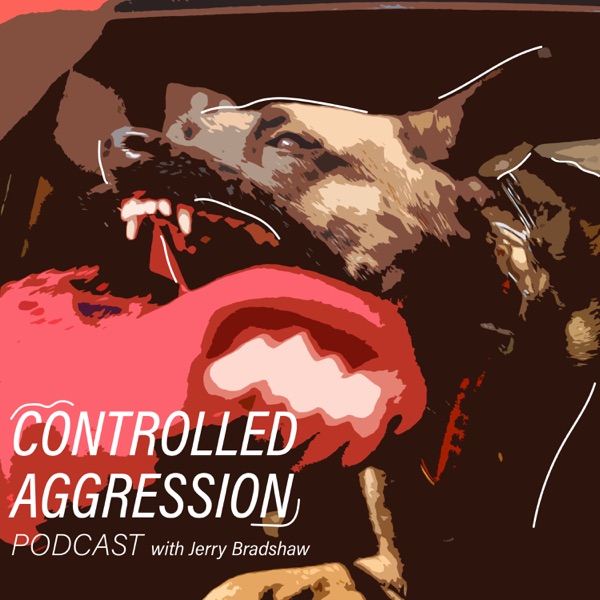
Want to learn about K9 obedience, police dog training, learning theory and more? Jerry Bradshaw has been a sports competitor and police dog trainer for 25 years, and as the executive director of the Protection Sports Association he's been around the world competing and training K9s. Welcome to the Controlled Aggression podcast.
On the charts
Every published chart this podcast appears in, in the snapshot behind this page. Each one links to the chart it came off.
From the feed
The latest episodes published to this podcast’s own RSS feed. Titles and descriptions are the publisher’s.
In this episode, Jerry Bradshaw discusses: Training proactive, powerful dogs in proactivity. Preventing early queues in training to your canine. Teaching your dog that their actions initiate activity from the target. Morphing reactivity into proactivity. Having a training progression to move away from the handler and decoy help of early foundational training. Key Takeaways: You want your dog to be willing to initiate, even if there's no reaction or triggers from the decoy. As humans, it is easy for us to identify that a random extremity is part of a larger human being. It takes dogs longer to look at that picture and figure out that what they are seeing is attached to the target, which is a passive human being. Have a plan if your dog is struggling with proactivity to go back to foundational elements. Don't get in the habit of assisting them with movement every time. Allow context to work for you. Avoid creating anticipation and let the training and context work by changing the picture the dog sees. "So don't be lazy. Set up your civil sessions, your scenarios, and make sure as the dog comes into the training area that we're setting up these situations that were not leaving clues on the ground in the form of equipment." — Jerry Bradshaw Episode References: The Working Grip Foundation: https://workinggrip.org/ Stewart Hilliard's Kynology: https://kynology.org/ Get Jerry's book Controlled Aggression on Amazon.com Contact Jerry: Website: controlledaggressionpodcast.com Email: JBradshaw@TarheelCanine.com Tarheel Canine Training: www.tarheelcanine.com YouTube: tarheelcanine Twitter: @tarheelcanine Instagram: @tarheelk9 Facebook: TarheelCanineTraining Protection Sports Website: psak9-as.org Patreon: patreon.com/controlledaggression Slideshare: Tarheel Canine Calendly: https://calendly.com/tarheelcanine Tarheel Canine Seminars: https://streetreadyk9.com/ Tarheel Canine Student Portal: https://tcstudentportal.com/ Sponsors: ALM K9 Equipment: almk9equipment.com PSA & American Schutzhund: psak9-as.org Tarheel Canine: tarheelcanine.com The Drive Company: thedriveco.com The Drive Company Instagram: instagram.com/thedrive.co Dog Armour: dogarmour.com Dog Armour Instagram: instagram.com/dogarmourpro Rogue Arsenal: roguearsenal.com Rogue Arsenal Instagram: instagram.com/rogue_arsenal_official Kirby K9: k9irby.com Train Hard, train smart, be safe. Show notes by Podcastologist Chelsea Taylor-Sturkie Audio production by Turnkey Podcast Productions. You're the expert. Your podcast will prove it.
In this episode, Jerry Bradshaw discusses: The importance of mandatory eye contact and how to generalize for distance work. Moving from negative reinforcement to positive punishment to move from escape to avoidance. Training progressions to train mandatory eye contact with your dog. Transitioning from lure to reward to variable reward. Key Takeaways: To get your dog to pay attention to your face, consider putting a food reward in your mouth - like hot dogs, cheese, or chicken. Build duration before you build distance in your training progression. If they aren't paying attention at 2 feet, they're not going to pay attention at 20 feet. You have to take the training wheels off as you move between training progression levels. When you get to trial, you have to operate on an extinction condition - there is no reinforcement or rewards on the field, so it is better to have your dog on a very, very thin variable reward schedule by that point. That only comes through training progressions and systematic generalization. "If we never get to the point where the dog understands there's a correction for inattention, then that's not going to be a very reliable tool for us for attention at a distance. We want to generalize it. We want to continue to create a systematic desensitization to all the things that the decoy might do." — Jerry Bradshaw Episode References: The Working Grip Foundation: https://workinggrip.org/ Stewart Hilliard's Kynology: https://kynology.org/ Get Jerry's book Controlled Aggression on Amazon.com Contact Jerry: Website: controlledaggressionpodcast.com Email: JBradshaw@TarheelCanine.com Tarheel Canine Training: www.tarheelcanine.com YouTube: tarheelcanine Twitter: @tarheelcanine Instagram: @tarheelk9 Facebook: TarheelCanineTraining Protection Sports Website: psak9-as.org Patreon: patreon.com/controlledaggression Slideshare: Tarheel Canine Calendly: https://calendly.com/tarheelcanine Tarheel Canine Seminars: https://streetreadyk9.com/ Tarheel Canine Student Portal: https://tcstudentportal.com/ Sponsors: ALM K9 Equipment: almk9equipment.com PSA & American Schutzhund: psak9-as.org Tarheel Canine: tarheelcanine.com The Drive Company: thedriveco.com The Drive Company Instagram: instagram.com/thedrive.co Dog Armour: dogarmour.com Dog Armour Instagram: instagram.com/dogarmourpro Rogue Arsenal: roguearsenal.com Rogue Arsenal Instagram: instagram.com/rogue_arsenal_official Kirby K9: k9irby.com Train hard, train smart, be safe. Show notes by Podcastologist Chelsea Taylor-Sturkie Audio production by Turnkey Podcast Productions. You're the expert. Your podcast will prove it.
In this episode, Jerry Bradshaw discusses: Different ways to deliver pressure reliably to your canine while tracking how the dog is doing while under that pressure. Understanding the baseline bite pressure. Reading your canine's body language while in a bite. How training under pressure is a progressive thing that never ends. Training emotional regulation in your dog from a young age. Training under the assumption that something is going to go wrong and, at some point, something will bother your dog. Key Takeaways: When we don't bring civil aggression and pressure into the biting, we can get failures in the bite. Build in the training now, build the resiliency, give your dog something to lean into when things get stressful. When trained to handle pressure, police canines can be used to bring suspects into custody in a way that is safer for both the suspect and the officers involved. Where most training gets in trouble is when an inexperienced decoy is working with an inexperienced dog, or when training progressions are rushed. You do not have to go to the lengths of physically hurting dogs in order to create resilience. People do that when they don't actually understand what they're doing. Stress inoculation is an ongoing training process for the dog's whole life. It is not something that will be finished at any point. It must happen both gradually and variably. Not everything boils down to genetics. Environment and training are also key to getting the most out of any dog. "Conditioning is training. You have to show the dog the pictures. You have to run through the processes. You have to be aware of what you can do with this dog and where he is in the levels of training. Stress and pressure then become predictable and addressable by the dog. This is so important. If they never see stuff, it's not predictable." — Jerry Bradshaw Episode References: The Working Grip Foundation: https://workinggrip.org/ Stewart Hilliard's Kynology: https://kynology.org/ Get Jerry's book Controlled Aggression on Amazon.com Contact Jerry: Website: controlledaggressionpodcast.com Email: JBradshaw@TarheelCanine.com Tarheel Canine Training: www.tarheelcanine.com YouTube: tarheelcanine Twitter: @tarheelcanine Instagram: @tarheelk9 Facebook: TarheelCanineTraining Protection Sports Website: psak9-as.org Patreon: patreon.com/controlledaggression Slideshare: Tarheel Canine Calendly: https://calendly.com/tarheelcanine Tarheel Canine Seminars: https://streetreadyk9.com/ Tarheel Canine Student Portal: https://tcstudentportal.com/ Sponsors: ALM K9 Equipment: almk9equipment.com PSA & American Schutzhund: psak9-as.org Tarheel Canine: tarheelcanine.com The Drive Company: thedriveco.com The Drive Company Instagram: instagram.com/thedrive.co Dog Armour: dogarmour.com Dog Armour Instagram: instagram.com/dogarmourpro Rogue Arsenal: roguearsenal.com Rogue Arsenal Instagram: instagram.com/rogue_arsenal_official Kirby K9: k9irby.com Train hard, train smart, be safe. Show notes by Podcastologist Chelsea Taylor-Sturkie Audio production by Turnkey Podcast Productions. You're the expert. Your podcast will prove it.
In this episode, Jerry Bradshaw discusses: Bringing more civil aggression into your sport or police dogs. Utilizing prey guarding to start training young dogs for proactive defense. The difference between uncontrolled aggression and expressive aggression. What to look for in a patrol dog regarding civil aggression. The three ways dogs manifest a reaction to a threat. Key Takeaways: In our training for our police dogs, we're concentrating on these civil aggression essentials and thinking about how that decoy can bring about some of that aggression, and then we can start to minimize the cues that bring out that aggression, and then it becomes much more contextual. Don't let people make you believe that just because a dog shows expressiveness and aggression in an expressive way, the dog will become uncontrollable and incapable. Defense is not a dirty word. There's nothing to be scared of. Defense is not a weakness. When promoting aggression and tapping into the defensive side of the dog, and building confidence in those reactions is ignored, oftentimes the dog cannot figure out how to bring a prey response out of a decoy, which can lead to displacement behaviors. "It's easier to cap a dog when he understands how to be expressive than to never allow him to be expressive in the beginning." — Jerry Bradshaw Get Jerry's book Controlled Aggression on Amazon.com Contact Jerry: Website: controlledaggressionpodcast.com Email: JBradshaw@TarheelCanine.com Tarheel Canine Training: www.tarheelcanine.com YouTube: tarheelcanine Twitter: @tarheelcanine Instagram: @tarheelk9 Facebook: TarheelCanineTraining Protection Sports Website: psak9-as.org Patreon: patreon.com/controlledaggression Slideshare: Tarheel Canine Calendly: https://calendly.com/tarheelcanine Tarheel Canine Seminars: https://streetreadyk9.com/ Tarheel Canine Student Portal: https://tcstudentportal.com/ Sponsors: ALM K9 Equipment: almk9equipment.com PSA & American Schutzhund: psak9-as.org Tarheel Canine: tarheelcanine.com The Drive Company: thedriveco.com The Drive Company Instagram: instagram.com/thedrive.co Dog Armour: dogarmour.com Dog Armour Instagram: instagram.com/dogarmourpro Rogue Arsenal: roguearsenal.com Rogue Arsenal Instagram: instagram.com/rogue_arsenal_official Find out more about Hold The Line Conference 2026 at https://htlk9.com/ Train hard, train smart, be safe. Show notes by Podcastologist Chelsea Taylor-Sturkie Audio production by Turnkey Podcast Productions. You're the expert. Your podcast will prove it.
In today's podcast short, Jerry Bradshaw discusses issues with muzzle attacks in the PSA Level 2, noting that many dogs and handlers struggle with this exercise. He emphasizes the importance of understanding the fundamentals of a good muzzle fight and suggests starting with unsuited muzzle work to build civil aggression. Jerry advises limiting strikes in training sessions to manage your dog's frustrations and to gradually introduce other equipment, such as bite suits and hidden sleeves. He stresses the need for decoys to provide accurate feedback and to avoid distractions in early training sessions, especially when starting out on muzzle work. "We want the dog biting through the muzzle. The muzzle is just something that's keeping him from biting that decoy." — Jerry Bradshaw Get Jerry's book Controlled Aggression on Amazon.com Contact Jerry: Website: controlledaggressionpodcast.com Email: JBradshaw@TarheelCanine.com Tarheel Canine Training: www.tarheelcanine.com YouTube: tarheelcanine Twitter: @tarheelcanine Instagram: @tarheelk9 Facebook: TarheelCanineTraining Protection Sports Website: psak9-as.org Patreon: patreon.com/controlledaggression Slideshare: Tarheel Canine Calendly: https://calendly.com/tarheelcanine Tarheel Canine Seminars: https://streetreadyk9.com/ Tarheel Canine Student Portal: https://tcstudentportal.com/ Sponsors: ALM K9 Equipment: almk9equipment.com PSA & American Schutzhund: psak9-as.org Tarheel Canine: tarheelcanine.com The Drive Company: thedriveco.com The Drive Company Instagram: instagram.com/thedrive.co Dog Armour: dogarmour.com Dog Armour Instagram: instagram.com/dogarmourpro Rogue Arsenal: roguearsenal.com Rogue Arsenal Instagram: instagram.com/rogue_arsenal_official Find out more about Hold The Line Conference 2026 at https://htlk9.com/ Train hard, train smart, be safe. Show notes by Podcastologist Chelsea Taylor-Sturkie Audio production by Turnkey Podcast Productions. You're the expert. Your podcast will prove it.
In this episode, Jerry Bradshaw discusses: Keeping in mind the olfactory and visual cues of a bite suit that we don't often consider. Reducing equipment fixation, creating habits of engagement, and training the behaviors you want into your dog. Why your dog needs to believe the bite suit is irrelevant. Focusing training on the most likely scenarios your dog will encounter. Key Takeaways: Too much suit work creates a false sense of security for your dog. Active aggression is a trained response, usually to an invasion of territory or other behaviors soliciting that reaction. Through classical conditioning, we can train dogs to show that behavior in training and, in turn, active scenarios in deployment. Create a habit of engagement. During the development of your younger dogs, you want to develop that habit so they know where they're going to bite, so they don't get into a state of choice paralysis. Train leg bites - it is typically the easiest and most likely place the dog will be able to get a bite on in most engagements. You're increasing the probability of real engagements every time you deemphasize the cues of odor and visuals from suits. "We want to camouflage these suits with different visual patterns, randomize the visual cue of that suit, and so that means different colors, textures, covering those suits with, jeans, jackets, raincoats, sheets, layers of blankets, right, all of these things to make the picture look a lot less like a guy in a bite suit, and a lot more like what a suspect might look like on the street." — Jerry Bradshaw Get Jerry's book Controlled Aggression on Amazon.com Contact Jerry: Website: controlledaggressionpodcast.com Email: JBradshaw@TarheelCanine.com Tarheel Canine Training: www.tarheelcanine.com YouTube: tarheelcanine Twitter: @tarheelcanine Instagram: @tarheelk9 Facebook: TarheelCanineTraining Protection Sports Website: psak9-as.org Patreon: patreon.com/controlledaggression Slideshare: Tarheel Canine Calendly: https://calendly.com/tarheelcanine Tarheel Canine Seminars: https://streetreadyk9.com/ Tarheel Canine Student Portal: https://tcstudentportal.com/ Sponsors: ALM K9 Equipment: almk9equipment.com PSA & American Schutzhund: psak9-as.org Tarheel Canine: tarheelcanine.com The Drive Company: thedriveco.com The Drive Company Instagram: instagram.com/thedrive.co Dog Armour: dogarmour.com Dog Armour Instagram: instagram.com/dogarmourpro Rogue Arsenal: roguearsenal.com Rogue Arsenal Instagram: instagram.com/rogue_arsenal_official Find out more about Hold The Line Conference 2026 at https://htlk9.com/ Train hard, train smart, be safe. Show notes by Podcastologist Chelsea Taylor-Sturkie Audio production by Turnkey Podcast Productions. You're the expert. Your podcast will prove it.
Today, Jerry outlines the 2026 Police Canine Services offered by Tarheel Canine Training. They offer instructor courses multiple times per year, unit canine training, and sell green dual and single canines. The selection process is low-stress, with dogs undergoing four months of training before handler courses. They also provide handler course-ready dogs and SWAT integrated canines. You can also look to Tarheel Canine for seminars that cover tracking, detection, street readiness, and high-risk deployments. If you're looking to get individualized training for your dogs and departments, reach out to Tarheel Canine. For more information, email Jerry at JBradshaw@TarheelCanine.com or call the office at 919-774-4152. Get Jerry's book Controlled Aggression on Amazon.com Contact Jerry: Website: controlledaggressionpodcast.com Email: JBradshaw@TarheelCanine.com Tarheel Canine Training: www.tarheelcanine.com YouTube: tarheelcanine Twitter: @tarheelcanine Instagram: @tarheelk9 Facebook: TarheelCanineTraining Protection Sports Website: psak9-as.org Patreon: patreon.com/controlledaggression Slideshare: Tarheel Canine Calendly: https://calendly.com/tarheelcanine Tarheel Canine Seminars: https://streetreadyk9.com/ Tarheel Canine Student Portal: https://tcstudentportal.com/ Sponsors: ALM K9 Equipment: almk9equipment.com PSA & American Schutzhund: psak9-as.org Tarheel Canine: tarheelcanine.com The Drive Company: thedriveco.com The Drive Company Instagram: instagram.com/thedrive.co Dog Armour: dogarmour.com Dog Armour Instagram: instagram.com/dogarmourpro Rogue Arsenal: roguearsenal.com Rogue Arsenal Instagram: instagram.com/rogue_arsenal_official Train hard, train smart, be safe. Show notes by Podcastologist Chelsea Taylor-Sturkie Audio production by Turnkey Podcast Productions. You're the expert. Your podcast will prove it.
In this episode, Jerry Bradshaw discusses: Getting your dog off the bite as quickly as you can when the threat has diminished to a reasonable level. The importance of being proficient in more than one option for your dog when you're in an engagement. The importance of your dog being willing to accept lower value rewards in the presence of a potential bite. Mastering verbal, mechanical, and manual release protocols. Transitioning from negative reinforcement to positive punishment - from escape to avoidance. Key Takeaways: Practice your call-offs in stressful situations during training. You're practicing for real-life situations, and real life is not going to be stress-free. Trying to pull your dog off will create more opposition and make it more difficult to release the dog. Pushing into the bite will often make it easier to release your dog via the gag reflex. You don't want to use your handcuffs as a standard breakstick stand-in, so that you are not creating anticipation and an association with handcuffs and releasing. Not every release protocol or piece of equipment is going to work best for every dog. You will have to try different things to see what works best for your dog. It comes down to handlers needing to, in training, work at being proficient in the proper application of all the correct methods to get the dog to release. We have to be able to start getting them to realize, based on a training setup, what's going to be the more appropriate approach to getting a dog to release in that situation. Rewards make behaviors repeatable. Failure to reward releases and training makes biting something to fight for, and we don't want that dog constantly coming out thinking this is the last time he's ever going to get it, and he has to fight with all of his life to get it back. "If our training never matches what an operational situation is going to look like, then the out procedure, whether it's a physical one or a verbal one, is going to be far different than anything that we've trained in the past, and it's going to look very different to the dog." — Jerry Bradshaw Get Jerry's book Controlled Aggression on Amazon.com Contact Jerry: Website: controlledaggressionpodcast.com Email: JBradshaw@TarheelCanine.com Tarheel Canine Training: www.tarheelcanine.com YouTube: tarheelcanine Twitter: @tarheelcanine Instagram: @tarheelk9 Facebook: TarheelCanineTraining Protection Sports Website: psak9-as.org Patreon: patreon.com/controlledaggression Slideshare: Tarheel Canine Calendly: https://calendly.com/tarheelcanine Tarheel Canine Seminars: https://streetreadyk9.com/ Tarheel Canine Student Portal: https://tcstudentportal.com/ Sponsors: ALM K9 Equipment: almk9equipment.com PSA & American Schutzhund: psak9-as.org Tarheel Canine: tarheelcanine.com The Drive Company: thedriveco.com The Drive Company Instagram: instagram.com/thedrive.co Dog Armour: dogarmour.com Dog Armour Instagram: instagram.com/dogarmourpro Rogue Arsenal: roguearsenal.com Rogue Arsenal Instagram: instagram.com/rogue_arsenal_official Train hard, train smart, be safe. Show notes by Podcastologist Chelsea Taylor-Sturkie Audio production by Turnkey Podcast Productions. You're the expert. Your podcast will prove it.
If your dog won't counter full, won't push into the fight, or spins away when you approach, this episode is for you. Jerry breaks down exactly why these bite work issues happen and how to rebuild the foundation so your dog bites harder, fuller, and with real confidence. In this episode, Jerry Bradshaw discusses: Drive channelling as a confidence builder for your dog. Bite work problems and their solution strategies. Inducing counter bites, getting appropriate pressure when biting, and encouraging pushing into the bite. Reasons to train your out before your bite work and not create an association that may create an out you don't want. The three types of pressure you need to account for are creating desensitization to distraction objects. Key Takeaways: If a dog doesn't know how to fight out of its problems, you may get displacement and avoidance creeping in. Training bite work in young dogs may require different techniques than those used for training with older dogs. When you train with a crutch, you will, eventually, need to wean yourself off the crutch. Make sure your decoys aren't bailing. Make sure they aren't sidestepping, dropping their arms, or pulling the dogs into their chest. That is only going to make it worse. It is very important to be able to get your dog out in many different ways. That is going to require desensitization to anything you're going to bring near the dog's head. We have to work on type, intensity, and duration of pressure, and our goal is to desensitize objects early in training. The more the dog can see those things, the more he can negotiate through weird stuff that he hasn't seen before; the more the dog will understand what he's supposed to do and how he's supposed to do it. "One of the things that we know is that the grip itself is the barometer of how the dog feels when he's biting. So if the dog doesn't feel super confident about biting, he's going to create a little bit of distance between himself and the perceived conflict, which could be the helper itself." — Jerry Bradshaw Get Jerry's book Controlled Aggression on Amazon.com Contact Jerry: Website: controlledaggressionpodcast.com Email: JBradshaw@TarheelCanine.com Tarheel Canine Training: www.tarheelcanine.com YouTube: tarheelcanine Twitter: @tarheelcanine Instagram: @tarheelk9 Facebook: TarheelCanineTraining Protection Sports Website: psak9-as.org Patreon: patreon.com/controlledaggression Slideshare: Tarheel Canine Calendly: https://calendly.com/tarheelcanine Tarheel Canine Seminars: https://streetreadyk9.com/ Tarheel Canine Student Portal: https://tcstudentportal.com/ Sponsors: ALM K9 Equipment: almk9equipment.com PSA & American Schutzhund: psak9-as.org Tarheel Canine: tarheelcanine.com The Drive Company: thedriveco.com The Drive Company Instagram: instagram.com/thedrive.co Dog Armour: dogarmour.com Dog Armour Instagram: instagram.com/dogarmourpro Rogue Arsenal: roguearsenal.com Rogue Arsenal Instagram: instagram.com/rogue_arsenal_official Train hard, train smart, be safe. Show notes by Podcastologist Chelsea Taylor-Sturkie Audio production by Turnkey Podcast Productions. You're the expert. Your podcast will prove it.
In this episode, Jerry Bradshaw discusses: Thinking about the end game from the beginning of your training. Creating neutrality through all kinds of distractions. Look at me, look at me, look at that, and look at that while giving commands for your dog. Balancing the draw to fight against drift. Key Takeaways: Attention is the dog's anchor. Give them a point to focus on that allows them to be neutral to everything else around. You have to control a dog's eyes to control their behavior. You want to lay the foundation for sending on command, not sending on agitation, and discriminating between the two early on in your training. Create neutrality through time on the field. No matter how advanced your dog is, keep working on your fundamentals. That is where the strength lies when you are in actual scenarios. "One of the most important fundamental exercises of attention is teaching the dog to look at me, then look at that, and then look back to me, and then look back to that, and change it up for the dog where I point the dog at different things that might be of concern to him." — Jerry Bradshaw Get Jerry's book Controlled Aggression on Amazon.com Contact Jerry: Website: controlledaggressionpodcast.com Email: JBradshaw@TarheelCanine.com Tarheel Canine Training: www.tarheelcanine.com YouTube: tarheelcanine Twitter: @tarheelcanine Instagram: @tarheelk9 Facebook: TarheelCanineTraining Protection Sports Website: psak9-as.org Patreon: patreon.com/controlledaggression Slideshare: Tarheel Canine Calendly: https://calendly.com/tarheelcanine Tarheel Canine Seminars: https://streetreadyk9.com/ Sponsors: ALM K9 Equipment: almk9equipment.com PSA & American Schutzhund: psak9-as.org Tarheel Canine: tarheelcanine.com The Drive Company: thedriveco.com The Drive Company Instagram: instagram.com/thedrive.co Dog Armour: dogarmour.com Dog Armour Instagram: instagram.com/dogarmourpro Rogue Arsenal: roguearsenal.com Rogue Arsenal Instagram: instagram.com/rogue_arsenal_official Train hard, train smart, be safe. Show notes by Podcastologist Chelsea Taylor-Sturkie Audio production by Turnkey Podcast Productions. You're the expert. Your podcast will prove it.
In this episode, Jerry Bradshaw discusses: Timing the puppy training early and with a directed purpose, and handling the fear periods in dogs. Habituation, spontaneous recovery, sensitization, and learned irrelevance. When to reorient and when to address fears. Understanding your dog's phobias to learn how to solve the problem. Common fears and phobias seen in police and sport dogs. Key Takeaways: Too many people restrict social and experiential learning in puppies during the critical stages of development out of fear. As a decoy, as a handler, as anyone working with a young dog, you need to be attentive to what you're doing and always be surveying your environment to avoid unintended consequences. Avoid creating a problem that doesn't already exist. Take a systematic approach to expose your dog to everything they need to be exposed to. Generally, fear periods are short-lived. Take your dog into more familiar places, more natural spaces, where it's not going to encounter a lot of things that are going to be super unusual or might provoke a fearful response. "I have a phobia about creating phobias. I don't want to create a phobia in my dog, because the road is going to be super long to try and systematically desensitize to any type of stimuli that's been created as an avoidance response." — Jerry Bradshaw Get Jerry's book Controlled Aggression on Amazon.com Book Reference: The Decoy Book by William Garrido - amazon.com/Decoy-Book-Collaborations-Some-Industry/dp/B08T6YGWSD Handbook of Applied Dog Behavior and Training by Stephen R. Lindsay - amazon.com/Handbook-Applied-Behavior-Training-Vol/dp/0813807549 Excel-erated Learning by Pamela J. Reid - amazon.com/Excel-erated-Learning-Explaining-plain-English/dp/1888047070 Contact Jerry: Website: controlledaggressionpodcast.com Email: JBradshaw@TarheelCanine.com Tarheel Canine Training: www.tarheelcanine.com YouTube: tarheelcanine Twitter: @tarheelcanine Instagram: @tarheelk9 Facebook: TarheelCanineTraining Protection Sports Website: psak9-as.org Patreon: patreon.com/controlledaggression Slideshare: Tarheel Canine Calendly: https://calendly.com/tarheelcanine Tarheel Canine Seminars: https://streetreadyk9.com/ Tarheel Canine Student Portal: https://tcstudentportal.com/ Sponsors: ALM K9 Equipment: almk9equipment.com PSA & American Schutzhund: psak9-as.org Tarheel Canine: tarheelcanine.com The Drive Company: thedriveco.com The Drive Company Instagram: instagram.com/thedrive.co Dog Armour: dogarmour.com Dog Armour Instagram: instagram.com/dogarmourpro Rogue Arsenal: roguearsenal.com Rogue Arsenal Instagram: instagram.com/rogue_arsenal_official Train hard, train smart, be safe. Show notes by Podcastologist Chelsea Taylor-Sturkie Audio production by Turnkey Podcast Productions. You're the expert. Your podcast will prove it.
In this episode, Jerry Bradshaw, Ben Searle, and Gary Dawson discuss: There is a need for highly trained service dogs for veterans. The origin story and vital mission of the Liberty Leash Project. The importance of standardization and collaboration across service dog training. Things to consider when going into the dog training business. Key Takeaways: Service dogs are a medical implement for people and need to be trained to the highest standards. Training service dogs should be about collaboration, not competition. A village model builds the most resilient dogs and sustainable trainers. Different dogs require different levels of handling ability and different levels of training ability. When it comes to pairing dogs with veterans, they also require different dogs for different people, as no two people and no two dogs require the exact same thing. If you're interested in helping with the Liberty Leash Project, no matter your skill set, reach out to Gary and Ben at the contact information below. "We want these dogs to be these veterans' battle buddies and help them through their tough times and grow from it and thrive from it." — Gary Dawson Episode References: More information on the Kynology Seminar with Dr. Stewart Hilliard: https://kynology.org/ Get Jerry's book Controlled Aggression on Amazon.com Contact Ben, Gary, and Libery Leash Project: Liberty Leash Project: https://www.libertyleashproject.com/ Instagram: https://www.instagram.com/libertyleashproject/ Facebook: https://www.facebook.com/p/Liberty-Leash-Project-61577084561466/ Phone: 919-351-9123 Email: sapperk91@gmail.com Sapper K9: https://www.sapperk9.com/ Triune Kennels: https://www.triunekennels.com/ Contact Jerry: Website: controlledaggressionpodcast.com Email: JBradshaw@TarheelCanine.com Tarheel Canine Training: www.tarheelcanine.com YouTube: tarheelcanine Twitter: @tarheelcanine Instagram: @tarheelk9 Facebook: TarheelCanineTraining Protection Sports Website: psak9-as.org Patreon: patreon.com/controlledaggression Slideshare: Tarheel Canine Calendly: https://calendly.com/tarheelcanine Tarheel Canine Seminars: https://streetreadyk9.com/ Tarheel Canine Student Portal: https://tcstudentportal.com/ Sponsors: ALM K9 Equipment: almk9equipment.com PSA & American Schutzhund: psak9-as.org Tarheel Canine: tarheelcanine.com The Drive Company: thedriveco.com The Drive Company Instagram: instagram.com/thedrive.co Dog Armour: dogarmour.com Dog Armour Instagram: instagram.com/dogarmourpro Rogue Arsenal: roguearsenal.com Rogue Arsenal Instagram: instagram.com/rogue_arsenal_official Train hard, train smart, be safe. Show notes by Podcastologist Chelsea Taylor-Sturkie Audio production by Turnkey Podcast Productions. You're the expert. Your podcast will prove it.
In this episode, Jerry Bradshaw and Dr. Stewart Hilliard discuss: Why your dog training should be based on theory, pragmatic results, and experience. Theoretical vs intuitive dog training. How is idealist training different from pragmatic training? Why you should not be removing all stressors from your dog training. Control and learned helplessness. Key Takeaways: Dog training is a long series of lonely decisions. You are a team of one training your dog, and even if you have a coach, in the moment, you are the one making each decision based on the problem facing you in the moment. Technical training is great, but you do need to be able to generalize the training for different locations and situations for the best results. If, in the course of doing its job, your dog will face adversity, then having a background in overcoming some adversity in training is going to stand the dog in good stead. There is considerable discussion and data that speak to the point that the ideal state for an animal to develop in is not necessarily one that is free of stress. Aversive control can be used without producing bad welfare for the subjects of the training. On the flip side, excellent positive reinforcement technicians also produce really good results in dog training. Animals in avoidance are not running from something; they are running to something safe. "If you want to engage with dogs intellectually, they're a very rich topic for intellectual engagement, because they're super interesting. And you can look at them at any level you want; you can look at dog training at any level you want. And for some people, the pathway to getting really good is becoming theoretically very, very strong." — Dr. Stewart Hilliard Episode References: Go to Kynology.org now and start an account to stay up to date on Kynology events, upcoming resources, and products! Get Jerry's book Controlled Aggression on Amazon.com Contact Stewart: Website: https://www.caninetrainingsystems.com/ Book: Schutzhund, Theory and Training Methods - A Book by Susan Barwig and Stewart Hilliard, Ph.D. - https://www.amazon.com/Schutzhund-Theory-Training-Methods-Reference/dp/0876057318 Contact Jerry: Website: controlledaggressionpodcast.com Email: JBradshaw@TarheelCanine.com Tarheel Canine Training: www.tarheelcanine.com YouTube: tarheelcanine Twitter: @tarheelcanine Instagram: @tarheelk9 Facebook: TarheelCanineTraining Protection Sports Website: psak9-as.org Patreon: patreon.com/controlledaggression Slideshare: Tarheel Canine Calendly: https://calendly.com/tarheelcanine Tarheel Canine Seminars: https://streetreadyk9.com/ Tarheel Canine Student Portal: https://tcstudentportal.com/ Sponsors: ALM K9 Equipment: almk9equipment.com PSA & American Schutzhund: psak9-as.org Tarheel Canine: tarheelcanine.com The Drive Company: thedriveco.com The Drive Company Instagram: instagram.com/thedrive.co Dog Armour: dogarmour.com Dog Armour Instagram: instagram.com/dogarmourpro Rogue Arsenal: roguearsenal.com Rogue Arsenal Instagram: instagram.com/rogue_arsenal_official Train hard, train smart, be safe. Show notes by Podcastologist Chelsea Taylor-Sturkie Audio production by Turnkey Podcast Productions. You're the expert. Your podcast will prove it.
In this episode, Jerry Bradshaw discusses: What judges are looking for during the PSA Carjack Exercise. Safety precautions and training progressions for decoys, dogs, and trainers. Keeping your dog focused in the right place. Rewarding, capping, and knowing your dog's limits. Key Takeaways: In training, you should be training in neutrality as you prepare for your PDC. Just because they have the skills in the exercise does not mean they are prepared for the neutrality between exercises. If you are able to, get a vehicle to train with your PSA club on these Carjack Exercises. There are a lot of progressions you can do as you work up to the full exercise. It is the first impression of the aggression that's going to catch the judge's eye. Spend time focusing on transitions. Even in PDC, there are transitions you can work on. A good transition can help you be well prepared. "One of the big mistakes I see is rushing into the vehicle without doing the proper neutrality to the vehicle when they're younger, not doing the proper neutrality to the vehicle, where they now have to experience the bite work, in addition to the unstable footing, and in addition to the enclosed area, the tight space of the vehicle. All of these things impinge on the dog's experience during that carjacking exercise." — Jerry Bradshaw Episode References: Josh Kirby at Kirby K9 / Demanet: www.k9irby.com More information on the Kynology Seminar with Dr. Stewart Hilliard: https://kynology.org/ Get Jerry's book Controlled Aggression on Amazon.com Contact Jerry: Website: controlledaggressionpodcast.com Email: JBradshaw@TarheelCanine.com Tarheel Canine Training: www.tarheelcanine.com YouTube: tarheelcanine Twitter: @tarheelcanine Instagram: @tarheelk9 Facebook: TarheelCanineTraining Protection Sports Website: psak9-as.org Patreon: patreon.com/controlledaggression Slideshare: Tarheel Canine Calendly: https://calendly.com/tarheelcanine Tarheel Canine Seminars: https://streetreadyk9.com/ Tarheel Canine Student Portal: https://tcstudentportal.com/ Sponsors: ALM K9 Equipment: almk9equipment.com PSA & American Schutzhund: psak9-as.org Tarheel Canine: tarheelcanine.com The Drive Company: thedriveco.com The Drive Company Instagram: instagram.com/thedrive.co Dog Armour: dogarmour.com Dog Armour Instagram: instagram.com/dogarmourpro Rogue Arsenal: roguearsenal.com Rogue Arsenal Instagram: instagram.com/rogue_arsenal_official Train hard, train smart, be safe. Show notes by Podcastologist Chelsea Taylor-Sturkie Audio production by Turnkey Podcast Productions. You're the expert. Your podcast will prove it.
In this episode, Jerry Bradshaw discusses: Bridging the gap from training to deployment with low-profile equipment. Comparing traditional and modern low-profile equipment. Mistakes to avoid with low-profile equipment. Importance of having properly fitted equipment. Training progressions with low-profile equipment. Key Takeaways: Ideally, low-profile equipment contains both lower visibility and lower odor profiles. It is critical for the dog to feel the human underneath the equipment. While you should have protection, training the dog to find the human is also important. If a dog can't be satisfied with the bite they are getting on a suit, they may look for the human underneath and bite outside of the typical areas, such as ankles, which can cause more harm. Use training techniques like equipment shredding drills to improve the dog's ability to find and get a successful bite. "When we're introducing the hidden equipment, usually we want to introduce it in such a way that we can maximize the dog's experience, including having them in the right mood that we want them in when they're experiencing this hidden equipment. We also want to have decoy safety." — Jerry Bradshaw Episode References: Josh Kirby at Kirby K9 / Demanet: www.k9irby.com Thad Peterson at Seynaeve US: www.seynaeve.us & www.ringsuits.com Dog Armour: www.DogArmour.com More information on the Kynology Seminar with Dr. Stewart Hilliard: https://kynology.org/ Get Jerry's book Controlled Aggression on Amazon.com Contact Jerry: Website: controlledaggressionpodcast.com Email: JBradshaw@TarheelCanine.com Tarheel Canine Training: www.tarheelcanine.com YouTube: tarheelcanine Twitter: @tarheelcanine Instagram: @tarheelk9 Facebook: TarheelCanineTraining Protection Sports Website: psak9-as.org Patreon: patreon.com/controlledaggression Slideshare: Tarheel Canine Calendly: https://calendly.com/tarheelcanine Tarheel Canine Seminars: https://streetreadyk9.com/ Tarheel Canine Student Portal: https://tcstudentportal.com/ Sponsors: ALM K9 Equipment: almk9equipment.com PSA & American Schutzhund: psak9-as.org Tarheel Canine: tarheelcanine.com The Drive Company: https://thedriveco.com/ The Drive Company Instagram: https://www.instagram.com/thedrive.co Dog Armour: http://www.dogarmour.com/ Rogue Arsenal: https://roguearsenal.com/ Find out more about Hold The Line Conference 2026 at https://htlk9.com/ Train Hard, train smart, be safe. Show notes by Podcastologist Chelsea Taylor-Sturkie Audio production by Turnkey Podcast Productions. You're the expert. Your podcast will prove it.
In this episode, Jerry Bradshaw discusses: Pros and cons of prosthetics for canine training. The importance of teaching your dog to find the human being in the bite. Why training biting across different textures is key. Tips for safely and effectively utilizing prosthetics in training. Key Takeaways: When you're trying to approximate down in training and are using equipment, you want to use equipment that is as thin as possible, but as thick as necessary. If you're beginning training with prosthetics, the arms can be a little easier to work with at first. Leverage your dog's bite command right before they engage. If there is any confusion, leverage what they already know to get the behavior you're looking for. Decoy schools should be teaching how to safely and properly incorporate prosthetic equipment. "Biting any kind of equipment, the dogs are going to get used to a texture that gives their teeth some purchase in that particular piece of equipment…And so we want to make sure that they're willing to engage that new texture. We want to take advantage when we first introduce these things." — Jerry Bradshaw Episode References: Check out the Training Videos by Steve Sprouse at: https://www.arminleggan.com/ More information on the Kynology Seminar with Dr. Stewart Hilliard: https://kynology.org/ Get Jerry's book Controlled Aggression on Amazon.com Contact Jerry: Website: controlledaggressionpodcast.com Email: JBradshaw@TarheelCanine.com Tarheel Canine Training: www.tarheelcanine.com YouTube: tarheelcanine Twitter: @tarheelcanine Instagram: @tarheelk9 Facebook: TarheelCanineTraining Protection Sports Website: psak9-as.org Patreon: patreon.com/controlledaggression Slideshare: Tarheel Canine Calendly: https://calendly.com/tarheelcanine Tarheel Canine Seminars: https://streetreadyk9.com/ Tarheel Canine Student Portal: https://tcstudentportal.com/ Sponsors: ALM K9 Equipment: almk9equipment.com Tarheel Canine: tarheelcanine.com PSA & American Schutzhund: psak9-as.org The Drive Company: https://thedriveco.com/ The Drive Company Instagram: https://www.instagram.com/thedrive.co Dog Armour: http://www.dogarmour.com/ Rogue Arsenal: https://roguearsenal.com/ Train hard, train smart, be safe. Show notes by Podcastologist Chelsea Taylor-Sturkie Audio production by Turnkey Podcast Productions. You're the expert. Your podcast will prove it.
In this episode, Jerry Bradshaw and Dr. Stewart Hilliard discuss: The debate between purely positive training and balanced training. How Kynology goes deeper than just basic dog training. Ways in which the scientific process in research can go wrong. The role of a canine trainer is to teach their dog to handle stress. Stewart's two answers to the question "Why do you need aggression?" Key Takeaways: While there are about 25 research studies that create the canon of dog training, a lot of them are based on pure science or theory alone and do not actually understand the practicality of dog training. Research is often not replicated enough to know if the original model and data were structured and analyzed properly. Punishing behaviors into existence is not really a thing that happens in real life, human, ethical training. Good practitioners don't teach with adversives. They use aversives to facilitate generalization of behaviors that are established using positive reinforcement and generalization of those behaviors to different physiological and emotional states. "You and I, in February, are going to run a seminar under the aegis of kynology. It's an effort…to provide really good, solid, formal education to other kynologists - which means people who are really, really interested in dogs, dog behavior, and learning. Not in a casual way, but those who want to know everything they can." — Dr. Stewart Hilliard Episode References: Go to Kynology.org now and start an account to stay up to date on Kynology events, upcoming resources, and products! Get Jerry's book Controlled Aggression on Amazon.com Contact Stewart: Website: https://www.caninetrainingsystems.com/ Book: Schutzhund, Theory and Training Methods - A Book by Susan Barwig and Stewart Hilliard, Ph.D. - https://www.caninetrainingsystems.com/product/B-SCH-BAR/Schutzhund-Theory-and-Training-Methods-A-Book-by-Susan-Barwig-and-Stewart-Hilliard-PhD Contact Jerry: Website: controlledaggressionpodcast.com Email: JBradshaw@TarheelCanine.com Tarheel Canine Training: www.tarheelcanine.com YouTube: tarheelcanine Twitter: @tarheelcanine Instagram: @tarheelk9 Facebook: TarheelCanineTraining Protection Sports Website: psak9-as.org Patreon: patreon.com/controlledaggression Slideshare: Tarheel Canine Calendly: https://calendly.com/tarheelcanine Tarheel Canine Seminars: https://streetreadyk9.com/ Tarheel Canine Student Portal: https://tcstudentportal.com/ Sponsors: ALM K9 Equipment: almk9equipment.com PSA & American Schutzhund: psak9-as.org Tarheel Canine: tarheelcanine.com The Drive Company: https://thedriveco.com/ The Drive Company Instagram: https://www.instagram.com/thedrive.co Find out more about Hold The Line Conference 2024 at https://htlk9.com/ Train hard, train smart, be safe. Show notes by Podcastologist Chelsea Taylor-Sturkie Audio production by Turnkey Podcast Productions. You're the expert. Your podcast will prove it.
In this episode, Jerry Bradshaw discusses: Canine independence - identifying the problem and how to solve it. Why you might need to be doing less obedience training. Training independence behaviors. Creating hunting games with progression for puppies of all ages. Working with your dog near and away from you so they are comfortable in both positions. Key Takeaways: Balance the inward and outward focus in your puppy training. Wind plays a very important role in the hunting games. The windier it is, the narrower the scent cone; the less wind, the wider it is. Watch your dog's intensity and speed and adjust the game accordingly. You don't want to push too fast, but you don't want them to get bored either. Progressive complexity should be done in a variable way. Some hunts should be easier and some should be harder. Do not step in and solve problems for your dog; work on independent work. That stops it from being independent work. "We're trying to create independence. So it's very important that when we start initiating these predatory sequences, the dog will start to, on his own, realize he and only he is going to be the one that can solve this problem, and you are irrelevant in this situation. And that's exactly what we're trying to teach, that there are going to be times where the dog has to work and you are going to be irrelevant." — Jerry Bradshaw Get Jerry's book Controlled Aggression on Amazon.com Contact Jerry: Website: controlledaggressionpodcast.com Email: JBradshaw@TarheelCanine.com Tarheel Canine Training: www.tarheelcanine.com YouTube: tarheelcanine Twitter: @tarheelcanine Instagram: @tarheelk9 Facebook: TarheelCanineTraining Protection Sports Website: psak9-as.org Patreon: patreon.com/controlledaggression Slideshare: Tarheel Canine Calendly: https://calendly.com/tarheelcanine Tarheel Canine Seminars: https://streetreadyk9.com/ Tarheel Canine Student Portal: https://tcstudentportal.com/ Sponsors: ALM K9 Equipment: almk9equipment.com PSA & American Schutzhund: psak9-as.org Tarheel Canine: tarheelcanine.com The Drive Company: https://thedriveco.com/ The Drive Company Instagram: https://www.instagram.com/thedrive.co Find out more about Hold The Line Conference 2026 at https://htlk9.com/ Train hard, train smart, be safe. Show notes by Podcastologist Chelsea Taylor-Sturkie Audio production by Turnkey Podcast Productions. You're the expert. Your podcast will prove it.
In this episode, Jerry Bradshaw and Cameron Ford discuss: The creation of PSA and evolution of dog sport. How the rigidity in traditional dog sports has led to innovation and creativity. Being open to adaptation not fighting against it. Increasing complexity in training detection. The responsibility of having an online platform for your dog training. Training based on experience and on research. Key Takeaways: PSA exploded in popularity the last decade due to the prevalence of younger trainers and social media. A lot of traditional dog sport is built around breeding programs and registering your dogs. PSA allows for dogs of any breed and age as long as they can handle the training. If you're interested in your dogs learning detection, teach your puppies to track and hunt. It is key for police work. Training detection dogs is about more than odor, no matter what changes have occurred over the years. Adjusting to what the dog is doing during training when they aren't following your progressions is where the fun and intrigue comes in. Training is not a race. Do it right from the beginning and it will create a stronger, better dog than if you try and do it all in just a few weeks. "Unfortunately, a lot of dog trainers get married to doing something because it's the way they've always done and they feel comfortable with it. But I think you have to be smart enough to jettison what's not working or is less efficient." — Jerry Bradshaw Contact Cameron: Website: https://www.fordk9.com/ Website: https://stratosk9.com/ K9s Talking Scents: https://www.fordk9.com/podcasts/ YouTube: https://www.youtube.com/channel/UCbLa_PL0uHeOK5WsSgjR-Mw Facebook: https://www.facebook.com/fordk9/ Get Jerry's book Controlled Aggression on Amazon.com Contact Jerry: Website: controlledaggressionpodcast.com Email: JBradshaw@TarheelCanine.com Tarheel Canine Training: www.tarheelcanine.com Youtube: tarheelcanine Twitter: @tarheelcanine Instagram: @tarheelk9 Facebook: TarheelCanineTraining Protection Sports Website: psak9-as.org Patreon: patreon.com/controlledaggression Slideshare: Tarheel Canine Calendly: https://calendly.com/tarheelcanine Tarheel Canine Seminars: https://streetreadyk9.com/ Tarheel Canine Student Portal: https://tcstudentportal.com/ Sponsors: ALM K9 Equipment: almk9equipment.com PSA & American Schutzhund: psak9-as.org Tarheel Canine: tarheelcanine.com The Drive Company: https://thedriveco.com/ The Drive Company Instagram: https://www.instagram.com/thedrive.co Find out more about Hold The Line Conference 2026 at https://htlk9.com/ Train Hard, train smart, be safe. Show notes by Podcastologist Chelsea Taylor-Sturkie Audio production by Turnkey Podcast Productions. You're the expert. Your podcast will prove it.
In this episode, Jerry Bradshaw and Brad Gillespie discuss: Positive and negative punishment in police dog training. Pros, cons, and balancing the use of punishment markers. Intentional and unintentional markers. The importance of consistency in punishment. Marking for clearer communication. Biting through the muzzle. Changing one variable at a time and reducing the number of variables in training. Key Takeaways: In some cases, marking punishment may be more important than marking with positive reinforcement. Following the punishment marker with the punishment allows the dogs to understand what is happening. Be careful about the overuse of those punishment markers. They can oftentimes create a drift where the marker itself becomes the signal for the dog to rectify the behavior, rather than when you give that command. You need to be consistent in your timing and ready with the punishment. Dogs are great at recognizing when things are consistent or not. Communication is the problem with most issues we have with dogs. Marking punishment is a way that can help us to have clearer communication. Train the dog (and the handler) in a way that makes it look and feel real. "I really think that using a marker can allow us, both on negative reinforcement and on positive punishment, to use much higher levels of stimulation, and the dogs are able to better process what's happening. We have a system, or at least a way of communicating with the dog. And I think that the marker helps them understand that a little bit better on both ends of the spectrum." — Brad Gillespie Contact Brad: Website: CanadianPoliceCanine.com Get Jerry's book Controlled Aggression on Amazon.com Contact Jerry: Website: controlledaggressionpodcast.com Email: JBradshaw@TarheelCanine.com Tarheel Canine Training: www.tarheelcanine.com YouTube: tarheelcanine Twitter: @tarheelcanine Instagram: @tarheelk9 Facebook: TarheelCanineTraining Protection Sports Website: psak9-as.org Patreon: patreon.com/controlledaggression Slideshare: Tarheel Canine Calendly: https://calendly.com/tarheelcanine Tarheel Canine Seminars: https://streetreadyk9.com/ Tarheel Canine Student Portal: https://tcstudentportal.com/ Sponsors: ALM K9 Equipment: almk9equipment.com PSA & American Schutzhund: psak9-as.org Tarheel Canine: tarheelcanine.com The Drive Company: https://thedriveco.com/ The Drive Company Instagram: https://www.instagram.com/thedrive.co Find out more about Hold The Line Conference 2024 at https://htlk9.com/ Train Hard, train smart, be safe. Show notes by Podcastologist Chelsea Taylor-Sturkie Audio production by Turnkey Podcast Productions. You're the expert. Your podcast will prove it.
Ranking source
Apple Podcasts rankings via the Mato Topic Intelligence Platform.
Observed September 20, 2026.
Apple and Apple Podcasts are trademarks of Apple Inc., registered in the U.S. and other countries.
Pairs with
Bring this source into Mato to read its transferable patterns, then turn them into an original show for your own audience.