Mato just raised pre-seed Read more

Podcast charts
Published by MAP IT FORWARD
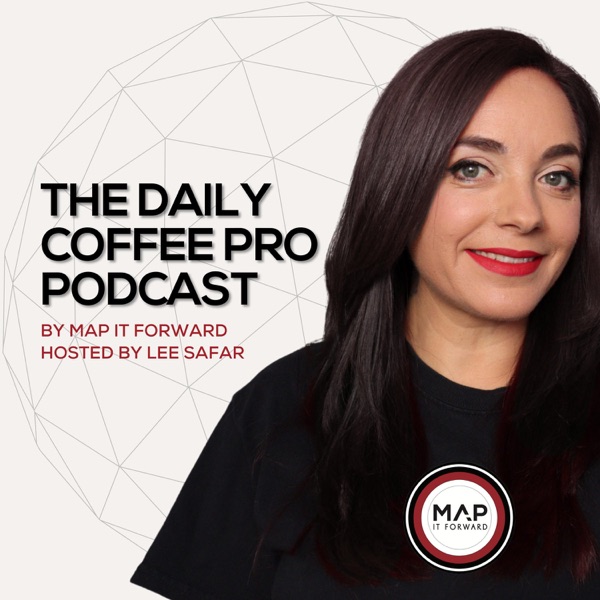
The Daily Coffee Pro Podcast by MAP IT FORWARD provides content to the Global Specialty Coffee Industry every weekday. Episodes are released Monday to Friday at 1 am PT. Each week, a 5-part series is released with a single guest exploring a theme that the guest is an expert in. Series are relevant to current events happening in the specialty coffee industry, including business, logistics, economics, geopolitics, industry challenges, and more. Episodes are hosted by specialty coffee veteran, entrepreneur, and business advisor, Lee Safar. All episodes are unedited and typically run 15 - 20 minutes. The content on this podcast is suited to members of the global coffee industry keen on challenging the traditional narrative within the fast-evolving industry from a constructive and curious perspective. This is a conversational podcast, and from time to time, you will hear cursing because of the conversational nature of the discussions. Our values at MAP IT FORWARD are curiosity, integrity, authenticity, and openness. Our mission at MAP IT FORWARD is "Conspiring to each other's success". The video version of this podcast is available on YouTube at https://www.youtube.com/mapitforward Find out more about MAP IT FORWARD at https://www.mapitforward.coffee
On the charts
Every published chart this podcast appears in, in the snapshot behind this page. Each one links to the chart it came off.
From the feed
The latest episodes published to this podcast’s own RSS feed. Titles and descriptions are the publisher’s.
Advertising Sponsor This episode is brought to you by CoffeeListings.com by Map It Forward. The marketplace where the coffee world does business. Launching Sept 17th, 2026. Follow https://www.instagram.com/coffeelistings/ to stay updated. Episode Description This is part 5 of a new 5-part series on The Daily Coffee Pro Podcast by Map It Forward hosted by Lee Safar. Our guest on the podcast for this series is Jem McDowall, VP at Universal Commodities. In the final episode of this series, Lee and Jem look ahead at what the next 20 years could bring for the global tea industry. Rather than predicting a completely different future, Jem argues that many of the changes already underway are likely to accelerate. One of the biggest is the continued bifurcation of the tea market. At one end are highly efficient, mass-produced commodity teas. At the other are differentiated, artisan and specialty products such as matcha, hojicha, whole-leaf teas, and origin-driven offerings. The producers caught between those two models may face the greatest pressure. Lee and Jem compare this with the increasingly K-shaped coffee market, where businesses are being pushed toward either greater scale and efficiency or stronger differentiation and higher value. They also explore how consumer preferences are changing. Convenience products such as bottled and ready-to-drink tea continue to grow, while consumers at the premium end are looking for individuality, quality, origin, experience, and new flavor formats. Jem argues that tea also needs to do a better job telling the stories of its producing regions. Some origins produce exceptional tea but have failed to build the same recognition and narrative value as more famous regions. The conversation then turns to one of agriculture’s biggest long-term challenges: succession. Younger generations are increasingly reluctant to take over farms, and Jem says tea is facing many of the same problems already visible in coffee. They also discuss liquidity, rising commodity prices, and the possibility that stronger tea prices could create unexpected financial pressure for traders, factories, and producers that need significantly more working capital to move the same volume of product. The episode closes with a broader question about the future of agricultural supply chains. If governments, NGOs, and industry continue responding to structural problems by simply producing more, do conditions actually improve? Or does increased production continue suppressing prices and making it harder to improve wages, working conditions, and producer viability? As Jem puts it: more is not necessarily better. Better is better. Connect with Jem McDowall here: https://www.linkedin.com/in/jem-mcdowall-826932b/ Universal Commodities: https://uctt.com/ If you found this episode valuable, make sure you’re subscribed to the podcast and follow along for the rest of this 5-part series. *************************************** About Map It Forward The Daily Coffee Pro is produced by Map It Forward, supporting coffee professionals globally across the supply chain. Website: ht tps://mapitforward.coffee Mailing list: https://mapitforward.coffee/mailinglist Patreon: https: //www.patreon.com/mapitforward ‘The Coffee Report’: https://www.patreon.com/mapitforward Instagram: https://www.instagram.com/mapitforward.coffee/ Contact: support@mapitforward.org
Advertising Sponsor This episode is brought to you by CoffeeListings.com by Map It Forward. The marketplace where the coffee world does business. Launching Sept 17th, 2026. Follow https://www.instagram.com/coffeelistings/ to stay updated. Episode Description This is part 4 of a new 5-part series on The Daily Coffee Pro Podcast by Map It Forward, hosted by Lee Safar. Our guest on the podcast for this series is Jem McDowall, VP at Universal Commodities. In this episode, Lee and Jem examine how El Niño could affect the global tea industry far beyond the farm. Jem explains that early warning signs are already visible across major producing regions, including unusually dry conditions in East Africa, Malawi, and Indonesia, along with severe flooding in Assam and southern China. The concern is not simply lower yields. Tea depends on a narrow range of conditions for healthy growth, and both excessive rainfall and drought can damage crop quality and production. Extreme weather can also wash out roads and bridges, disrupt local transport, delay exports, and interfere with shipping routes. Jem explains that this risk is arriving at a particularly vulnerable moment. After roughly a decade of oversupply, global tea supply and demand have moved much closer to balance. That means the industry has far less excess production available to absorb a major disruption. The conversation also explores another layer of risk: fertilizer. Although fertilizer prices and availability have improved from recent peaks, costs remain elevated, and some farmers have already reduced applications. Jem explains how delayed distribution, reduced use, or fertilizer being washed away by heavy rain can further weaken bush health and future productivity. Lee and Jem also discuss the broader consequences of rising food prices and why smallholders may choose to divert fertilizer, abandon tea, or replace tea bushes with crops that provide faster or more reliable returns. That matters because around 65% of global tea production comes from smallholders. If farmers uproot tea rather than simply leave bushes temporarily unmanaged, replacing that production can take years. The result is a tea industry facing climate risk, input risk, logistics risk, and shrinking production buffers at the same time. Connect with Jem McDowall here: https://www.linkedin.com/in/jem-mcdowall-826932b/ Universal Commodities: https://uctt.com/ If you found this episode valuable, make sure you’re subscribed to the podcast and follow along for the rest of this 5-part series. *************************************** About Map It Forward The Daily Coffee Pro is produced by Map It Forward, supporting coffee professionals globally across the supply chain. Website: ht tps://mapitforward.coffee Mailing list: https://mapitforward.coffee/mailinglist Patreon: https: //www.patreon.com/mapitforward ‘The Coffee Report’: https://www.patreon.com/mapitforward Instagram: https://www.instagram.com/mapitforward.coffee/ Contact: support@mapitforward.org
Advertising Sponsor This episode is brought to you by CoffeeListings.com by Map It Forward. The marketplace where the coffee world does business. Launching Sept 17th, 2026. Follow https://www.instagram.com/coffeelistings/ to stay updated. Episode Description This is part 3 of a new 5-part series on The Daily Coffee Pro Podcast by Map It Forward, hosted by Lee Safar. Our guest on the podcast for this series is Jem McDowall, VP at Universal Commodities. In this episode, Lee and Jem examine the growing challenges facing tea farmers and producers around the world. Jem explains why the health of the producer base matters to everyone downstream: without financially viable producers, there is no tea industry. The conversation explores how tea producers have spent roughly a decade dealing with low prices while input costs have continued to rise. Jem explains how efforts to increase productivity and expand tea planting contributed to oversupply in some markets, putting further downward pressure on prices. The result has been years of cost cutting, reduced investment, lower inputs, weaker balance sheets, and declining resilience across parts of the producer base. Jem points to producing origins that have seen significant declines in output and warns that even if tea prices temporarily rise, a short-term price spike cannot repair years of underinvestment. Lee and Jem also discuss the growing climate risk facing agriculture, including El Niño, drought, flooding, and increasingly volatile weather patterns. That leads to one of the strongest comparisons in the series: Jem describes coffee as a kind of “canary in the coal mine” for tea. Many of the problems now emerging in tea — climate stress, falling production, financial pressure, and farmers walking away — have already been visible in coffee. The conversation also explores currency risk, rising dollar-denominated input costs, de-dollarization, and the structure of smallholder tea production. Jem explains that around 65% of tea is grown by small farmers, making tea far more fragmented at origin than many people might assume. This episode raises a fundamental question for both tea and coffee: how long can agricultural supply chains continue weakening the people responsible for producing the product? Connect with Jem McDowall here: https://www.linkedin.com/in/jem-mcdowall-826932b/ Universal Commodities: https://uctt.com/ If you found this episode valuable, make sure you’re subscribed to the podcast and follow along for the rest of this 5-part series. *************************************** About Map It Forward The Daily Coffee Pro is produced by Map It Forward, supporting coffee professionals globally across the supply chain. Website: ht tps://mapitforward.coffee Mailing list: https://mapitforward.coffee/mailinglist Patreon: https: //www.patreon.com/mapitforward ‘The Coffee Report’: https://www.patreon.com/mapitforward Instagram: https://www.instagram.com/mapitforward.coffee/ Contact: support@mapitforward.org
Advertising Sponsor This episode is brought to you by Arcadia Green Coffee , Colombian coffee exporters taking fresh green coffee from Colombia to the world, farm to roastery, direct. New office now open in the UK. Instagram: https://www.instagram.com/arcadiagreencoffee/ WhatsApp: https://wa.me/353877871523 Episode Description This is part 2 of a new 5-part series on The Daily Coffee Pro Podcast by Map It Forward, hosted by Lee Safar. Our guest on the podcast for this series is Jem McDowall, VP at Universal Commodities. In this episode, Lee and Jem explore how tea is priced, bought, sold, and financed across the global supply chain. Jem explains how major tea auction systems operate in markets including Kenya, Sri Lanka, India, Malawi, and Indonesia, and how buyers evaluate lots based on origin, appearance, cup profile, grade, and market demand. Unlike coffee, tea does not have a futures market. Instead, a significant portion of global black tea production is sold through physical auctions where buyers bid on actual tea and are required to take ownership of what they purchase. Jem explains how reserve prices are established, how buyers compete for lots, and how the old open-cry auction system introduced a remarkable amount of strategy and psychological warfare into the trading process before auctions largely moved online. The conversation also examines how tea is packed and sold, why lot sizes vary, and how published auction prices become reference points for the broader physical market. But the most striking contrast with coffee comes around payment. Jem explains that buyers at tea auctions typically have around 10 to 14 days to pay, and the tea is only released once the money has been received: no money, no tea. That leads Lee and Jem into a wider discussion about financing across agricultural supply chains, including why producers in tea are generally not expected to finance consuming markets in the same way many coffee producers still are. The comparison raises difficult questions about where financial risk sits in coffee and why producers at origin continue to carry costs that, in other commodity systems, sit much closer to the buyer. Connect with Jem McDowall here: https://www.linkedin.com/in/jem-mcdowall-826932b/ Universal Commodities: https://uctt.com/ If you found this episode valuable, make sure you’re subscribed to the podcast and follow along for the rest of this 5-part series. *************************************** About Map It Forward The Daily Coffee Pro is produced by Map It Forward, supporting coffee professionals globally across the supply chain. Website: ht tps://mapitforward.coffee Mailing list: https://mapitforward.coffee/mailinglist Patreon: https: //www.patreon.com/mapitforward ‘The Coffee Report’: https://www.patreon.com/mapitforward Instagram: https://www.instagram.com/mapitforward.coffee/ Contact: support@mapitforward.org
Advertising Sponsor This episode is brought to you by Cropster, technology built by coffee people to help coffee businesses manage more of their workflow, from contracts and costs to inventory, roasting, quality control, fulfillment, and café intelligence. Learn more at: https://hubs.la/Q04w4bKG0 Episode Description This is part 1 of a new 5-part series on The Daily Coffee Pro Podcast by Map It Forward hosted by Lee Safar. Our guest on the podcast for this series is Jem McDowall, VP at Universal Commodities, a tea importer based in the United States. For the first time on The Daily Coffee Pro, we’re stepping outside coffee and into the world of tea. In this episode, Lee and Jem explore how tea is grown, processed, and graded, and where the tea and coffee industries share some surprising similarities. Jem explains how tea begins as fresh leaf from the Camellia sinensis plant before moving through withering, rolling or cutting, oxidation, and drying. He breaks down the difference between traditional orthodox processing and CTC — cut, tear, curl — and explains why those processing choices create very different finished teas. They also discuss the distinction between green and black tea, why controlling oxidation matters, and how moisture is reduced to preserve finished tea. The conversation then turns to grading. Unlike coffee, tea grading is largely a system of sorting leaf by size, with terms such as Orange Pekoe, Broken Orange Pekoe, and fannings. Jem explains why those classifications can vary significantly between origins and why tea grading remains far less standardized globally than coffee grading. The episode also touches on the extraordinary rise of matcha — a product Jem says represents less than a quarter of one percent of global tea production while attracting enormous attention and value. This episode lays the foundation for the rest of the series as we begin comparing the structure, economics, challenges, and future of the global tea industry with what coffee has already experienced. Connect with Jem McDowall here: https://www.linkedin.com/in/jem-mcdowall-826932b/ Universal Commodities: https://uctt.com/ If you found this episode valuable, make sure you’re subscribed to the podcast and follow along for the rest of this 5-part series. *************************************** About Map It Forward The Daily Coffee Pro is produced by Map It Forward, supporting coffee professionals globally across the supply chain. Website: ht tps://mapitforward.coffee Mailing list: https://mapitforward.coffee/mailinglist Patreon: https: //www.patreon.com/mapitforward ‘The Coffee Report’: https://www.patreon.com/mapitforward Instagram: https://www.instagram.com/mapitforward.coffee/ Contact: support@mapitforward.org
Advertising Sponsor This episode is brought to you by CoffeeListings.com by Map It Forward. The marketplace where the coffee world does business. Launching Sept 17th, 2026. Follow https://www.instagram.com/coffeelistings/ to stay updated. Episode Description This is part 5 of a new 5-part series on The Daily Coffee Pro Podcast by Map It Forward hosted by Lee Safar. Our guest on the podcast for this series is Norbert Niederhauser, co-founder and Impact & Sustainability Officer at Cropster. In this final episode, Lee and Norbert look ahead and ask what coffee might actually look like over the next 20 years. Norbert is optimistic that coffee will still be here, but he expects the industry to change significantly. Climate pressure, shrinking suitable growing areas, new coffee varieties, changes in consumer behaviour, rising prices, technology, and different approaches to production will all shape what survives and what does not. From an agricultural perspective, Norbert discusses the pressure climate change is placing on coffee production, particularly Arabica. As temperatures rise, suitable growing areas may shift to higher elevations, where there is naturally less available land. At the same time, work on more climate-resilient varieties may help protect quality and production in the years ahead. The conversation also explores whether consumers may eventually drink less coffee but value it more. Norbert suggests that coffee could become a more deliberate experience rather than simply a caffeine delivery system, with consumers drinking fewer cups but being more willing to pay prices that support a sustainable supply chain. Lee and Norbert then turn to the rapid growth of experimental processing and fermentation. Norbert is cautious about treating these techniques as a universal solution. While controlled fermentation can create value, it can also introduce significant risk when producers lack the equipment, knowledge, or buyer relationships needed to manage the process consistently. They discuss why experimental processing may make more sense inside closely connected supply chains where roasters and producers share the risk, investment, product development, and responsibility for finding a market for the final coffee. The conversation also questions the idea that the future of coffee will simply become “hyper-specialty.” Norbert warns against assuming that because a small number of consumers will pay extraordinary prices, the wider market will follow. Highly exclusive coffee may continue to exist, but it is unlikely to represent the majority of the industry. Pricing is another major part of the discussion. Norbert argues that a sustainable future requires both higher prices for farmers and greater price stability. Rapid price swings make planning difficult across the supply chain, while continually pushing commodity prices lower fails to account for the environmental systems coffee production depends on. Technology will also continue to reshape coffee. Digital tools, AI, and the vast amounts of data collected over the past two decades may help businesses make better decisions and operate more efficiently. Hardware innovation may be more incremental, but increasingly automated equipment could change both cafés and the growing home coffee market. Lee and Norbert also discuss how cafés may continue to divide. Businesses offering distinctive quality, service, and experience may need to move further up in price, while more generic businesses risk competing primarily on cost. The home coffee market could become increasingly important as well. Consumers may still be willing to pay more for high-quality coffee while avoiding some of the additional cost associated with consuming it in cafés. The series closes with a simple but important idea: the future of coffee is not predetermined. Farmers, traders, roasters, café owners, technology companies, and consumers all influence what the industry becomes. Sustainability will depend on whether enough of those participants choose to build systems that can continue functioning economically, environmentally, and socially over the long term. Contact Norbert Niederhauser and Cropster: Website: https://hubs.la/Q04w4bKG0 Instagram: https://www.instagram.com/cropster/ LinkedIn: https://www.linkedin.com/in/norbertniederhauser/ If you found this episode valuable, make sure you’re subscribed to the podcast and follow along for the rest of this 5-part series. *************************************** About Map It Forward The Daily Coffee Pro is produced by Map It Forward, supporting coffee professionals globally across the supply chain. Website: ht tps://mapitforward.coffee Mailing list: https://mapitforward.coffee/mailinglist Patreon: https: //www.patreon.com/mapitforward ‘The Coffee Report’: https://www.patreon.com/mapitforward Instagram: https://www.instagram.com/mapitforward.coffee/ Contact: support@mapitforward.org
Advertising Sponsor This episode is brought to you by CoffeeListings.com by Map It Forward. The marketplace where the coffee world does business. Launching Sept 17th, 2026. Follow https://www.instagram.com/coffeelistings/ to stay updated. Episode Description This is part 4 of a new 5-part series on The Daily Coffee Pro Podcast by Map It Forward hosted by Lee Safar. Our guest on the podcast for this series is Norbert Niederhauser, co-founder and Impact & Sustainability Officer at Cropster. In this episode, Lee and Norbert explore what a sustainable coffee supply chain actually looks like in practice and why technology, data, and better visibility are becoming increasingly important to making that possible. Norbert explains how the coffee industry has changed dramatically over the past 20 years as digital tools, connected systems, and data collection have improved. Where businesses once relied heavily on spreadsheets, manual processes, and individual knowledge, they can now access much more detailed information about quality, inventory, roasting, pricing, sourcing, waste, and other parts of their operations. But having more data does not automatically make a business more sustainable. A central point in the conversation is that businesses need to measure what they are actually doing if they want to know whether change is happening. Norbert shares Cropster’s own experience with B Corp certification and how the company discovered that good intentions were not enough. In some areas, they simply did not have the data to prove whether they were performing as well as they believed they were. That process forced them to measure more carefully, identify where assumptions did not match reality, and make better decisions. Lee and Norbert discuss how the same principle applies across coffee businesses. A roaster might measure inventory, consistency, loss, quality, and production. A café might discover that seemingly small amounts of coffee wasted during dialing-in translate into significant financial losses over time. A producer needs to understand who the customer is and what happens to the coffee further down the supply chain. The conversation also challenges the idea that businesses can remain isolated within one part of the industry. Sustainable systems require people to understand what happens beyond their immediate role, whether they are producing coffee, roasting it, manufacturing equipment, developing software, or operating cafés. Norbert explains that Cropster itself depends on this kind of cross-industry understanding. The company does not manufacture roasting or espresso machines, but it needs to understand how those machines work, how people use them, and where operational problems occur if its software is going to support those businesses effectively. Lee and Norbert also discuss why data alone is not enough. The real value comes from interpretation: understanding what the numbers mean for the specific business, its goals, its customers, its brand, and its sustainability priorities. Technology can help businesses identify patterns, reduce guesswork, and avoid being blindsided. Consultants can help interpret that information, and AI is increasingly capable of helping people make sense of complex reports and identify the areas that deserve closer attention. The goal is not to replace human judgment. It is to give businesses better information so that decisions become more deliberate and less reactive. At its core, Norbert argues that sustainability requires businesses to remain proactive. That means asking better questions of the data: are farmer prices sustainable? Is the business financially stable? Are wages livable? Is waste under control? Are suppliers reliable? Are the people working in the business able to remain invested in it? A sustainable coffee supply chain is not simply one that collects more information. It is one that understands what that information is saying and acts on it before problems become crises. Contact Norbert Niederhauser and Cropster: Website: https://hubs.la/Q04w4bKG0 Instagram: https://www.instagram.com/cropster/ LinkedIn: https://www.linkedin.com/in/norbertniederhauser/ If you found this episode valuable, make sure you’re subscribed to the podcast and follow along for the rest of this 5-part series. *************************************** About Map It Forward The Daily Coffee Pro is produced by Map It Forward, supporting coffee professionals globally across the supply chain. Website: ht tps://mapitforward.coffee Mailing list: https://mapitforward.coffee/mailinglist Patreon: https: //www.patreon.com/mapitforward ‘The Coffee Report’: https://www.patreon.com/mapitforward Instagram: https://www.instagram.com/mapitforward.coffee/ Contact: support@mapitforward.org
Advertising Sponsor This episode is brought to you by CoffeeListings.com by Map It Forward. The marketplace where the coffee world does business. Launching Sept 17th, 2026. Follow https://www.instagram.com/coffeelistings/ to stay updated. Episode Description This is part 3 of a new 5-part series on The Daily Coffee Pro Podcast by Map It Forward hosted by Lee Safar. Our guest on the podcast for this series is Norbert Niederhauser, co-founder and Impact & Sustainability Officer at Cropster. In this episode, Lee and Norbert explore the relationship between environmental sustainability and economic sustainability, and why coffee businesses cannot afford to treat them as separate conversations. Norbert defines environmental sustainability as creating production systems that can continue over the long term without depleting the soil, water, land, or wider ecosystem they depend on. That can involve regenerative agriculture, intercropping, recovery periods, and production models that leave the system in the same or a better condition than when production began. Economic sustainability works in much the same way. A business needs enough resources to continue operating, pay people, reinvest, adapt to difficult periods, and survive disruption without constantly running at the edge of failure. Lee and Norbert discuss what happens when those two forms of sustainability collide. Climate events, logistics disruptions, shipping delays, crop failures, and other external shocks can quickly become economic problems when cash is tied up, inventory is delayed, or businesses are forced to find replacement coffee at short notice. The conversation then turns to the C-market and the growing disconnect between commodity pricing and the actual cost of producing coffee sustainably. Norbert argues that the market does not adequately account for farmer economics or environmental realities, while many producers remain price takers despite carrying much of the production and climate risk. They also explore what happens when farmers are environmentally sustainable almost by necessity but remain economically unsustainable. If the price they receive does not cover the true cost of production and provide a viable return, the system only continues while those farmers have no better alternative. That creates a deeper long-term risk for coffee. If farming is no longer economically viable, producers may leave coffee altogether, sell their land, or move into other activities. Once that productive land leaves coffee, the supply base becomes smaller and more vulnerable. Lee and Norbert also discuss the role of direct trade, technology, and platforms that help producers and buyers connect more directly, improve transparency, and build supply relationships outside of traditional pricing structures. The episode closes with the central conclusion that environmental and economic sustainability have to work together. Environmental sustainability without economic viability becomes a project dependent on outside resources. Economic sustainability that destroys soil, water, farms, or supply relationships eventually removes the foundation the business depends on. Sustainability is not achieved by fixing one part of the system. It requires continually strengthening the whole ecosystem. Contact Norbert Niederhauser and Cropster: Website: https://hubs.la/Q04w4bKG0 Instagram: https://www.instagram.com/cropster/ LinkedIn: https://www.linkedin.com/in/norbertniederhauser/ If you found this episode valuable, make sure you’re subscribed to the podcast and follow along for the rest of this 5-part series. *************************************** About Map It Forward The Daily Coffee Pro is produced by Map It Forward, supporting coffee professionals globally across the supply chain. Website: ht tps://mapitforward.coffee Mailing list: https://mapitforward.coffee/mailinglist Patreon: https: //www.patreon.com/mapitforward ‘The Coffee Report’: https://www.patreon.com/mapitforward Instagram: https://www.instagram.com/mapitforward.coffee/ Contact: support@mapitforward.org
Advertising Sponsor This episode is brought to you by CoffeeListings.com by Map It Forward. The marketplace where the coffee world does business. Launching Sept 17th, 2026. Follow https://www.instagram.com/coffeelistings/ to stay updated. Episode Description This is part 2 of a new 5-part series on The Daily Coffee Pro Podcast by Map It Forward hosted by Lee Safar. Our guest on the podcast for this series is Norbert Niederhauser, co-founder and Impact & Sustainability Officer at Cropster. In this episode, Lee and Norbert explore where sustainability is most lacking across the coffee supply chain. Norbert starts with a blunt observation: in many places, the current system itself is evidence of unsustainability. Farmers often lack the income, economic power, and resilience needed to absorb shocks. Traders can fail when market volatility becomes too extreme. Roasters can struggle when coffee costs rise faster than their ability to adjust pricing. Meanwhile, environmental systems including soil, water, and land continue to deteriorate. The conversation looks at why these problems rarely have quick fixes. Coffee is an agricultural product built around long cycles, fragmented relationships, and global supply chains. Changing farming systems can take years. Rebuilding sourcing models, customer expectations, pricing, and internal business structures also takes time and resources. Lee and Norbert discuss how fragmentation makes sustainability harder, but also creates an opportunity. Different farmers, roasters, and supply-chain partners can experiment with better models without having to change the entire industry at once. The challenge is making successful ideas transferable so that they can be adopted by more businesses rather than remaining isolated examples. They also explore how business owners can identify unsustainable parts of their operations before they become a crisis. Norbert recommends looking at the business from all sides: economics, employees, supply chain, sourcing, external risks, and what happens when assumptions change. A major part of the conversation focuses on coffee businesses that were built around cheaper coffee and are now waiting for prices to fall back to where they used to be. Lee and Norbert challenge that approach and discuss why relying on the C-market as the main indicator of what coffee should cost may no longer reflect the realities of producing coffee sustainably. Norbert also explains why sustainability cannot exist in a silo. A business may protect its own margins for a period of time, but if the farmers, suppliers, environment, or other parts of the system it depends on become unsustainable, that eventually becomes a risk to the business itself. The episode closes with a practical recommendation for businesses wanting to assess where they stand: use frameworks such as B Corp as a way to ask better questions about the economic, environmental, workforce, and supply-chain impacts of the business, even if certification itself is not the goal. Contact Norbert Niederhauser and Cropster: Website: https://hubs.la/Q04w4bKG0 Instagram: https://www.instagram.com/cropster/ LinkedIn: https://www.linkedin.com/in/norbertniederhauser/ If you found this episode valuable, make sure you’re subscribed to the podcast and follow along for the rest of this 5-part series. *************************************** About Map It Forward The Daily Coffee Pro is produced by Map It Forward, supporting coffee professionals globally across the supply chain. Website: ht tps://mapitforward.coffee Mailing list: https://mapitforward.coffee/mailinglist Patreon: https: //www.patreon.com/mapitforward ‘The Coffee Report’: https://www.patreon.com/mapitforward Instagram: https://www.instagram.com/mapitforward.coffee/ Contact: support@mapitforward.org
Advertising Sponsor This episode is brought to you by Arcadia Green Coffee , Colombian coffee exporters taking fresh green coffee from Colombia to the world, farm to roastery, direct. New office now open in the UK. Instagram: https://www.instagram.com/arcadiagreencoffee/ WhatsApp: https://wa.me/353877871523 Episode Description This is part 1 of a new 5-part series on The Daily Coffee Pro Podcast by Map It Forward, hosted by Lee Safar. Our guest on the podcast for this series is Norbert Niederhauser, co-founder and Impact & Sustainability Officer at Cropster. Norbert returns to the podcast eight years after his first appearance on The Map It Forward Podcast in 2018. In this new series, Lee and Norbert are exploring what sustainable coffee supply chains actually look like, where the industry is falling short, and what needs to change if coffee is going to remain viable in the decades ahead. In this episode, the conversation starts with a basic but increasingly difficult question: what does sustainability in coffee actually mean? Norbert argues that sustainability cannot be reduced to carbon emissions, packaging, or environmental initiatives. It has to include the full ecosystem around a business, including employees, customers, suppliers, shareholders, the environment, and whether the decisions being made today allow everyone involved to continue operating into the future. Lee and Norbert also discuss the relationship between capitalism and sustainability, why economic sustainability has to remain part of the conversation, and what happens when shareholder return becomes the only measure that matters. The discussion moves across the coffee supply chain, from farmers and traders to roasters and consumers, and looks at the responsibility each participant carries. They also explore the risk involved in changing established sourcing and business practices, why sustainable change often needs to happen gradually, and why businesses need to be transparent about what they have and have not yet achieved. For roasters considering changes to sourcing, product strategy, or customer communication, Norbert’s advice is practical: start somewhere, test the change, communicate honestly, avoid greenwashing, and stay with the process long enough for customers to understand why the change matters. This episode sets up the central question for the series: what would it actually take to build a coffee supply chain that can continue functioning for everyone involved? Norbert first appeared on The Map It Forward Podcast in Episode 28 in 2018: https://www.mapitforward.coffee/podcasts/the-map-it-forward-podcast-episode-28-with-norbert-niederhauser Contact Norbert Niederhauser and Cropster: Website: https://hubs.la/Q04w4bKG0 Instagram: https://www.instagram.com/cropster/ LinkedIn: https://www.linkedin.com/in/norbertniederhauser/ If you found this episode valuable, make sure you’re subscribed to the podcast and follow along for the rest of this 5-part series. *************************************** About Map It Forward The Daily Coffee Pro is produced by Map It Forward, supporting coffee professionals globally across the supply chain. Website: ht tps://mapitforward.coffee Mailing list: https://mapitforward.coffee/mailinglist Patreon: https: //www.patreon.com/mapitforward ‘The Coffee Report’: https://www.patreon.com/mapitforward Instagram: https://www.instagram.com/mapitforward.coffee/ Contact: support@mapitforward.org
Advertising Sponsor Get “ The Coffee Report by Map It Forward” directly to your inbox every Friday by signing up for either our Green Coffee or Roasted Coffee Patreon tiers in our Patreon community. Head to https://www.patreon.com/collection/2275485 to read our first report for free. Sign up for as little as $5 per month. Episode Description PLEASE SUPPORT EARTHQUAKE RELIEF IN COLOMBIA Zona J Foundation / IWCA support initiative: https://www.paypal.com/paypalme/zonajnet Colombian Red Cross - Emergency Colombia Earthquake: https://ayuda.cruzrojacolombiana.org/emergencia-colombia-terremoto#afrus-container This is episode 5 of a 5-part series on The Daily Coffee Pro Podcast by Map It Forward, hosted by Lee Safar, examining the impact of the August 10, 2026 earthquakes in Colombia with Ana Maria Donneys of Cafe Primitivo and Angel Barrera of Belco. In this final episode, the conversation turns to the longer-term consequences of the earthquake and what the global coffee industry can do to help. Angel explains that recovery will depend heavily on access to resources. Larger cities and businesses may be able to rebuild more quickly, while smaller towns and rural communities could struggle for much longer. Ana points out that unlike the 1999 Armenia earthquake, this disaster has affected many different cities and departments at once, making it much harder to concentrate reconstruction efforts. The long-term impact is not only financial. Ana explains that women in coffee are already asking for mental-health support as they deal with trauma, aftershocks, family responsibilities and the pressure of rebuilding businesses and communities. When asked what the international coffee industry can do, both Ana and Angel give a clear answer: keep doing business with Colombia. Continue buying Colombian coffee. Maintain relationships with producers and exporters. Be flexible when small delays happen. Keep talking about what has happened. And if you were planning to visit Colombia, don’t automatically cancel. Angel also warns that buyers may be tempted to switch origins if Colombian coffee remains more expensive than alternatives. But abandoning established relationships during a difficult year could deepen the economic damage for producers already trying to rebuild. The episode closes with a broader conversation about the future of coffee farming, generational change, the need for stronger commercial relationships, and why supporting farmers means investing in the future of the coffee industry itself. Connect with Angel Barrera and Belco: https://www.belco.fr/ https://www.linkedin.com/in/angel-barrera-8a0b2236/ https://www.instagram.com/koliafobiano/ https://www.instagram.com/belco.coffee/ Connect with Ana Maria Donneys and Cafe Primitivo: https://www.instagram.com/cafeprimitivo/ https://www.instagram.com/anadonneys/ https://www.cafeprimitivocolombia.com/ https://www.linkedin.com/in/anadonneys/ If you found this episode valuable, make sure you’re subscribed to the podcast and follow along for the rest of this 5-part series. *************************************** About Map It Forward The Daily Coffee Pro is produced by Map It Forward, supporting coffee professionals globally across the supply chain. Website: ht tps://mapitforward.coffee Mailing list: https://mapitforward.coffee/mailinglist Patreon: https: //www.patreon.com/mapitforward ‘The Coffee Report’: https://www.patreon.com/mapitforward Instagram: https://www.instagram.com/mapitforward.coffee/ Contact: support@mapitforward.org
Advertising Sponsor This episode is brought to you by Map It Forward Podcast Advertising. Interested in advertising on this podcast? Email support@mapitforward.org to learn more. Episode Description PLEASE SUPPORT EARTHQUAKE RELIEF IN COLOMBIA Zona J Foundation / IWCA support initiative: https://www.paypal.com/paypalme/zonajnet Colombian Red Cross - Emergency Colombia Earthquake: https://ayuda.cruzrojacolombiana.org/emergencia-colombia-terremoto#afrus-container This is episode 4 of a 5-part series on The Daily Coffee Pro Podcast by Map It Forward, hosted by Lee Safar, examining the impact of the August 10, 2026 earthquakes in Colombia with Ana Maria Donneys of Cafe Primitivo and Angel Barrera of Belco. In this episode, the conversation turns to what the earthquake could mean for Colombian coffee exports. Angel explains that while coffee continues to move, the consequences of the earthquake extend well beyond the immediate damage. Pereira lost a major transport connection when its airport was badly affected, tourism and local economic activity slowed, labour has been redirected toward reconstruction, and truck availability has tightened as vehicles are used to move humanitarian assistance. At the same time, Colombia is preparing for El Niño. Ana explains that resources originally intended to help farms prepare for drought and difficult growing conditions are now being redirected toward rebuilding roofs, wet mills, roads and processing infrastructure. That creates a second problem. Colombia is globally known for washed coffee, but some areas are already experiencing water rationing. If water availability worsens, producers could face difficulties processing coffee in the way their farms and markets have traditionally required. Angel explains why simply switching the country to natural processing is not straightforward. Colombia’s production systems, quality controls and export structures have been built around washed coffee for decades. The bigger risk may therefore be quality and future production. Ana describes the combination producers are now facing: damaged processing infrastructure, water shortages, possible electricity constraints, high temperatures, currency pressure and the possibility of a greater percentage of coffee developing defects that reduce its export value. The earthquake itself lasted minutes. Its impact on Colombian coffee could extend through 2026 and well into 2027. Connect with Angel Barrera and Belco: https://www.belco.fr/ https://www.linkedin.com/in/angel-barrera-8a0b2236/ https://www.instagram.com/koliafobiano/ https://www.instagram.com/belco.coffee/ Connect with Ana Maria Donneys and Cafe Primitivo: https://www.instagram.com/cafeprimitivo/ https://www.instagram.com/anadonneys/ https://www.cafeprimitivocolombia.com/ https://www.linkedin.com/in/anadonneys/ If you found this episode valuable, make sure you’re subscribed to the podcast and follow along for the rest of this 5-part series. *************************************** About Map It Forward The Daily Coffee Pro is produced by Map It Forward, supporting coffee professionals globally across the supply chain. Website: ht tps://mapitforward.coffee Mailing list: https://mapitforward.coffee/mailinglist Patreon: https: //www.patreon.com/mapitforward ‘The Coffee Report’: https://www.patreon.com/mapitforward Instagram: https://www.instagram.com/mapitforward.coffee/ Contact: support@mapitforward.org
Advertising Sponsor MIF Coffee Business Plan Review Service: AI can write a business plan. We'll help you determine whether it will work in the real world. Email support@mapitforward.org or DM @mapitforward.coffee to get started. Episode Description PLEASE SUPPORT EARTHQUAKE RELIEF IN COLOMBIA Zona J Foundation / IWCA support initiative: https://www.paypal.com/paypalme/zonajnet Colombian Red Cross - Emergency Colombia Earthquake: https://ayuda.cruzrojacolombiana.org/emergencia-colombia-terremoto#afrus-container This is episode 3 of a 5-part series on The Daily Coffee Pro Podcast by Map It Forward, hosted by Lee Safar, examining the impact of the August 10, 2026 earthquakes in Colombia with Ana Maria Donneys of Cafe Primitivo and Angel Barrera of Belco. In this episode, the conversation turns to what the earthquake means for Colombia’s coffee industry on the ground. Ana explains why recovery will take time. Farms and businesses that were focused on harvest preparation, production and normal operations suddenly had to redirect money, labour and attention toward urgent needs, repairs and reconstruction. For many coffee producers, the most important priority is not rebuilding their homes first. It is restoring the infrastructure that allows them to process and sell coffee. Ana describes producers using temporary coverings on damaged homes while prioritising wet mills, drying areas and washing stations because without those facilities they cannot generate the income needed to rebuild. Angel explains that this disruption is arriving at an especially difficult moment. Colombia was already preparing for a potentially severe El Niño, with concerns around drought, water rationing and electricity shortages. Now the earthquake has added damaged farms, homes, mills, roads and infrastructure to that risk. The effects are also logistical. Buenaventura was closed for approximately a week following damage, some roads were disrupted, and trucks normally used to move coffee have been redirected to carry humanitarian aid into affected regions. Meanwhile, El Niño is beginning to bring hotter conditions and fires in parts of Colombia, creating another potential challenge just as the next harvest approaches. The message from this episode is clear: Colombia’s coffee industry cannot simply stop while communities rebuild. Producers need functioning businesses, reliable buyers and timely payments if recovery is going to be sustainable. Connect with Angel Barrera and Belco: https://www.belco.fr/ https://www.linkedin.com/in/angel-barrera-8a0b2236/ https://www.instagram.com/koliafobiano/ https://www.instagram.com/belco.coffee/ Connect with Ana Maria Donneys and Cafe Primitivo: https://www.instagram.com/cafeprimitivo/ https://www.instagram.com/anadonneys/ https://www.cafeprimitivocolombia.com/ https://www.linkedin.com/in/anadonneys/ If you found this episode valuable, make sure you’re subscribed to the podcast and follow along for the rest of this 5-part series. *************************************** About Map It Forward The Daily Coffee Pro is produced by Map It Forward, supporting coffee professionals globally across the supply chain. Website: ht tps://mapitforward.coffee Mailing list: https://mapitforward.coffee/mailinglist Patreon: https: //www.patreon.com/mapitforward ‘The Coffee Report’: https://www.patreon.com/mapitforward Instagram: https://www.instagram.com/mapitforward.coffee/ Contact: support@mapitforward.org
Advertising Sponsor Want to join our Map It Forward Monthly Community Discussion Group? Head to https://patreon.com/mapitforward to join the community by signing up for the "Roasted Coffee" tier for 20 USD per month. Find other like-minded people in the coffee industry. This community is open to all stakeholders in the coffee industry Episode Description PLEASE SUPPORT EARTHQUAKE RELIEF IN COLOMBIA Zona J Foundation / IWCA support initiative: https://www.paypal.com/paypalme/zonajnet Colombian Red Cross - Emergency Colombia Earthquake: https://ayuda.cruzrojacolombiana.org/emergencia-colombia-terremoto#afrus-container This is episode 2 of a 5-part series on The Daily Coffee Pro Podcast by Map It Forward, hosted by Lee Safar, examining the impact of the August 10, 2026 earthquakes in Colombia with Ana Maria Donneys of Cafe Primitivo and Angel Barrera of Belco. In the previous episode, Ana and Angel described what it was like when the earthquakes struck. In this episode, the conversation turns to what happened next. Angel describes sleeping in his car because he no longer felt safe inside his home, returning to the Belco office the next day, and discovering that several colleagues had been displaced from their apartments. For hours, there was still uncertainty about whether everyone was safe. But amid the disruption, something else emerged very quickly: people started helping each other. Angel and his colleagues began organising food and coffee for emergency workers and affected communities. Ana describes restaurants becoming donation centres, WhatsApp groups coordinating meals and transport, and trucks carrying supplies arriving from Bogotá, Medellín and other parts of Colombia. The episode also begins to reveal the scale of the disruption facing coffee-producing communities. Some rural areas were left without electricity, internet or road access for days. Landslides isolated farms. While the coffee trees themselves appear to have been relatively resilient in many places, farmers’ homes, wet mills and other infrastructure were damaged or destroyed. Angel also explains that the Port of Buenaventura was affected, with terminal damage, fallen containers, and shipments delayed, an early indication that the consequences could extend beyond the immediate disaster zone and into Colombia’s coffee supply chain. Connect with Angel Barrera and Belco: https://www.belco.fr/ https://www.linkedin.com/in/angel-barrera-8a0b2236/ https://www.instagram.com/koliafobiano/ https://www.instagram.com/belco.coffee/ Connect with Ana Maria Donneys and Cafe Primitivo: https://www.instagram.com/cafeprimitivo/ https://www.instagram.com/anadonneys/ https://www.cafeprimitivocolombia.com/ https://www.linkedin.com/in/anadonneys/ If you found this episode valuable, make sure you’re subscribed to the podcast and follow along for the rest of this 5-part series. *************************************** About Map It Forward The Daily Coffee Pro is produced by Map It Forward, supporting coffee professionals globally across the supply chain. Website: ht tps://mapitforward.coffee Mailing list: https://mapitforward.coffee/mailinglist Patreon: https: //www.patreon.com/mapitforward ‘The Coffee Report’: https://www.patreon.com/mapitforward Instagram: https://www.instagram.com/mapitforward.coffee/ Contact: support@mapitforward.org
Advertising Sponsor This episode is brought to you by Arcadia Green Coffee , Colombian coffee exporters taking fresh green coffee from Colombia to the world, farm to roastery, direct. New office now open in the UK. Instagram: https://www.instagram.com/arcadiagreencoffee/ WhatsApp: https://wa.me/353877871523 Episode Description PLEASE SUPPORT EARTHQUAKE RELIEF IN COLOMBIA Zona J Foundation / IWCA support initiative: https://www.paypal.com/paypalme/zonajnet Colombian Red Cross - Emergency Colombia Earthquake: https://ayuda.cruzrojacolombiana.org/emergencia-colombia-terremoto#afrus-container This is episode 1 of a 5-part series on The Daily Coffee Pro Podcast by Map It Forward, hosted by Lee Safar, examining the impact of the August 10, 2026 earthquakes in Colombia with Ana Maria Donneys of Cafe Primitivo and Angel Barrera of Belco. Before the earthquakes struck, Colombia’s coffee sector was already navigating a difficult environment. Ana describes lower yields following heavy rain and preparations for El Niño ahead of Colombia’s important second-semester harvest. Angel explains how a smaller and delayed harvest had tightened coffee availability, intensified competition among exporters and pushed Colombian coffee differentials sharply higher. At the same time, the strengthening Colombian peso was reducing what producers received locally while production costs remained high. Then, on the morning of August 10, everything changed. Angel describes driving toward Pereira when animals suddenly began running along the road and his car started moving beneath him. What initially seemed like a problem with his tires became a prolonged earthquake. With communications and electricity down, he returned home to collapsed buildings, frightened neighbours and a cloud of dust hanging over Pereira. Ana was on the sixth floor of a building in Armenia when the shaking began. What she initially assumed would be another small tremor continued until she could barely stand. After reaching her family, she immediately travelled to the farm to check on workers, buildings and the coffee operation. This first episode documents what “day zero” looked like through the experiences of two people working directly within Colombia’s coffee industry, and the economic conditions the sector was already facing before the earthquake arrived. Connect with Angel Barrera and Belco: https://www.belco.fr/ https://www.linkedin.com/in/angel-barrera-8a0b2236/ https://www.instagram.com/koliafobiano/ https://www.instagram.com/belco.coffee/ Connect with Ana Maria Donneys and Cafe Primitivo: https://www.instagram.com/cafeprimitivo/ https://www.instagram.com/anadonneys/ https://www.cafeprimitivocolombia.com/ https://www.linkedin.com/in/anadonneys/ If you found this episode valuable, make sure you’re subscribed to the podcast and follow along for the rest of this 5-part series. *************************************** About Map It Forward The Daily Coffee Pro is produced by Map It Forward, supporting coffee professionals globally across the supply chain. Website: ht tps://mapitforward.coffee Mailing list: https://mapitforward.coffee/mailinglist Patreon: https: //www.patreon.com/mapitforward ‘The Coffee Report’: https://www.patreon.com/mapitforward Instagram: https://www.instagram.com/mapitforward.coffee/ Contact: support@mapitforward.org
Advertising Sponsor MIF Coffee Business Plan Review Service: AI can write a business plan. We'll help you determine whether it will work in the real world. Email support@mapitforward.org or DM @mapitforward.coffee to get started. Episode Description This is the final episode of our five-part solo series on The Daily Coffee Pro Podcast by Map It Forward examining the Benecke Coffee controversy following the Peru and Honduras cooperative series. Lee Safar brings together the unanswered questions surrounding Benecke, J.J. Darboven, Fairtrade, brokers, the insolvency process and the unpaid producer organisations. The biggest question remains simple: where did the money go? The episode examines the timing of payments and insolvency, what Benecke may have known about its ability to meet its obligations, Fairtrade’s response, unanswered questions for J.J. Darboven, the role of brokers, and the information still needed from the insolvency process. But the larger issue goes beyond Benecke. Coffee can be grown, financed, exported, imported, roasted and sold while the producer organisation that supplied it remains unpaid, and may ultimately carry the loss. Lee argues that the industry needs stronger buyer due diligence, payment protection, transparency, broker accountability, early-warning mechanisms and better legal support for producers. The Benecke investigation is not over, but this series leaves the industry with a larger question: How much more risk can the coffee supply chain absorb before something fundamentally has to change? Connect with Lee Safar here: https://www.linkedin.com/in/leesafar/ https://www.instagram.com/leesafar Editorial Note: This episode forms part of Map It Forward’s ongoing examination of the Benecke Coffee controversy. Some claims discussed in this series remain disputed or have not yet been independently verified. Map It Forward has sought comment from relevant parties and will continue to update its coverage if additional information or evidence becomes available. Where allegations, interpretations or claims are discussed, they should not be understood as findings of legal liability or wrongdoing. If you found this episode valuable, make sure you’re subscribed to the podcast and follow along for the rest of this 5-part series. *************************************** About Map It Forward The Daily Coffee Pro is produced by Map It Forward, supporting coffee professionals globally across the supply chain. Website: ht tps://mapitforward.coffee Mailing list: https://mapitforward.coffee/mailinglist Patreon: https: //www.patreon.com/mapitforward ‘The Coffee Report’: https://www.patreon.com/mapitforward Instagram: https://www.instagram.com/mapitforward.coffee/ Contact: support@mapitforward.org
Advertising Sponsor This episode is brought to you by Map It Forward Podcast Advertising. Interested in advertising on this podcast? Email support@mapitforward.org to learn more. Episode Description This is episode 4 of our five-part solo series on The Daily Coffee Pro Podcast by Map It Forward examining the Benecke Coffee controversy following the Peru and Honduras cooperative series. Lee Safar turns to one of the least understood parts of the coffee supply chain: brokers and commercial intermediaries. Brokers can connect cooperatives with international buyers, negotiate terms, facilitate communication and help coordinate contracts. But when they are commercially connected to multiple parties in the same transaction, difficult questions can arise about whose interests they ultimately serve. In this episode, Lee examines allegations from the Peru side that brokers pressured cooperative managers not to speak publicly, discouraged some cooperatives from registering as creditors, continued receiving commissions while cooperative payments remained outstanding, and may have had commercial relationships with Benecke and J.J. Darboven. These allegations remain unverified and the brokers contacted by Map It Forward have not responded. The episode asks what brokers knew about Benecke’s financial position, what due diligence they performed, what they told cooperatives once payment problems emerged, and whether their incentives created conflicts of interest. In Part 5, we bring all the pieces together and ask: what still doesn’t add up? Connect with Lee Safar here: https://www.linkedin.com/in/leesafar/ https://www.instagram.com/leesafar Editorial Note: This episode forms part of Map It Forward’s ongoing examination of the Benecke Coffee controversy. Some claims discussed in this series remain disputed or have not yet been independently verified. Map It Forward has sought comment from relevant parties and will continue to update its coverage if additional information or evidence becomes available. Where allegations, interpretations or claims are discussed, they should not be understood as findings of legal liability or wrongdoing. If you found this episode valuable, make sure you’re subscribed to the podcast and follow along for the rest of this 5-part series. *************************************** About Map It Forward The Daily Coffee Pro is produced by Map It Forward, supporting coffee professionals globally across the supply chain. Website: ht tps://mapitforward.coffee Mailing list: https://mapitforward.coffee/mailinglist Patreon: https: //www.patreon.com/mapitforward ‘The Coffee Report’: https://www.patreon.com/mapitforward Instagram: https://www.instagram.com/mapitforward.coffee/ Contact: support@mapitforward.org
Advertising Sponsor Want to join our Map It Forward Monthly Community Discussion Group? Head to https://patreon.com/mapitforward to join the community by signing up for the "Roasted Coffee" tier for 20 USD per month. Find other like-minded people in the coffee industry. This community is open to all stakeholders in the coffee industry Episode Description This is episode 3 of our five-part solo series on The Daily Coffee Pro Podcast by Map It Forward examining the Benecke Coffee controversy following the Peru and Honduras cooperative series. Lee Safar asks one of the most important questions in the case: who knew Benecke was in trouble, and when did they know it? The warning signs include falling reported revenue, increasingly late payments, Fairtrade being alerted to arrears in June 2025, an unannounced FLOCERT audit in August, continued coffee shipments from Peru, and Benecke's major financing reportedly not being renewed in September. Lee also examines confidential-source allegations involving futures positions, margin calls and demands for additional shareholder capital. These claims remain unverified. The episode then asks what Benecke, Fairtrade, J.J. Darboven, brokers, lenders and other parties may each have known before more coffee was shipped. The central question is simple: Did anyone have enough information to warn producers before they took on more risk? In Part 4, we examine the brokers and intermediaries caught between producers and buyers. Connect with Lee Safar here: https://www.linkedin.com/in/leesafar/ https://www.instagram.com/leesafar Editorial Note: This episode forms part of Map It Forward’s ongoing examination of the Benecke Coffee controversy. Some claims discussed in this series remain disputed or have not yet been independently verified. Map It Forward has sought comment from relevant parties and will continue to update its coverage if additional information or evidence becomes available. Where allegations, interpretations or claims are discussed, they should not be understood as findings of legal liability or wrongdoing. If you found this episode valuable, make sure you’re subscribed to the podcast and follow along for the rest of this 5-part series. *************************************** About Map It Forward The Daily Coffee Pro is produced by Map It Forward, supporting coffee professionals globally across the supply chain. Website: ht tps://mapitforward.coffee Mailing list: https://mapitforward.coffee/mailinglist Patreon: https: //www.patreon.com/mapitforward ‘The Coffee Report’: https://www.patreon.com/mapitforward Instagram: https://www.instagram.com/mapitforward.coffee/ Contact: support@mapitforward.org
Advertising Sponsor Get “ The Coffee Report by Map It Forward” directly to your inbox every Friday by signing up for either our Green Coffee or Roasted Coffee Patreon tiers in our Patreon community. Head to https://www.patreon.com/collection/2275485 to read our first report for free. Sign up for as little as $5 per month. Episode Description This is episode 2 of a five-part solo series on The Daily Coffee Pro Podcast by Map It Forward examining the Benecke Coffee controversy following our previous series with producer cooperatives in Peru and Honduras. In this episode, Lee Safar follows the coffee, and then follows the money. The Peruvian cooperatives say they continued shipping coffee after payments slowed because Benecke repeatedly assured them payment was coming. COMSA says 12 containers worth approximately US$2.7 million remain unpaid. J.J. Darboven has confirmed Benecke was its supplier and says all Benecke invoices it received in 2025 were paid in full and on time. That raises the central question: if downstream buyers paid Benecke, what happened before the money reached the cooperatives? Lee examines the documents needed to trace individual shipments, why receipt and payment dates matter, the role of brokers and the insolvency administrator, and the difference between money received before and after insolvency proceedings. Until specific coffee lots, invoices, receipt dates and payments can be matched, major questions remain about where the payment chain actually broke. In Part 3, we ask: who knew what, and when did they know it? Connect with Lee Safar here: https://www.linkedin.com/in/leesafar/ https://www.instagram.com/leesafar Editorial Note: This episode forms part of Map It Forward’s ongoing examination of the Benecke Coffee controversy. Some claims discussed in this series remain disputed or have not yet been independently verified. Map It Forward has sought comment from relevant parties and will continue to update its coverage if additional information or evidence becomes available. Where allegations, interpretations or claims are discussed, they should not be understood as findings of legal liability or wrongdoing. If you found this episode valuable, make sure you’re subscribed to the podcast and follow along for the rest of this 5-part series. *************************************** About Map It Forward The Daily Coffee Pro is produced by Map It Forward, supporting coffee professionals globally across the supply chain. Website: ht tps://mapitforward.coffee Mailing list: https://mapitforward.coffee/mailinglist Patreon: https: //www.patreon.com/mapitforward ‘The Coffee Report’: https://www.patreon.com/mapitforward Instagram: https://www.instagram.com/mapitforward.coffee/ Contact: support@mapitforward.org
Advertising Sponsor This episode is brought to you by Arcadia Green Coffee , Colombian coffee exporters taking fresh green coffee from Colombia to the world, farm to roastery, direct. New office now open in the UK. Instagram: https://www.instagram.com/arcadiagreencoffee/ WhatsApp: https://wa.me/353877871523 Episode Description This is episode 1 of a new five-part solo series on The Daily Coffee Pro Podcast by Map It Forward examining what we currently know about the Benecke Coffee controversy following our previous series with producer cooperatives in Peru and Honduras. Lee Safar reconstructs the timeline, corrects several points from earlier coverage, and separates what is established from what remains alleged, disputed or unknown. Benecke Coffee and J.J. Darboven are separate legal companies, although J.J. Darboven has confirmed Benecke was one of its suppliers. Café Intención is a J.J. Darboven brand, and Arthur Darboven ceased serving in Benecke's formal management role in April 2024. The episode then follows the timeline from COMSA's payment problems in early 2025, Fairtrade raising concerns in June, FLOCERT's August audit, continued shipments from Peru, Benecke's financing problems and eventual insolvency. The central questions remain: What happened to the coffee and the money? What did Benecke know about its ability to pay, and when? What did Fairtrade, commercial intermediaries and J.J. Darboven know? And what did the insolvency administrator inherit? In Part 2, we follow the coffee, and then follow the money. Connect with Lee Safar here: https://www.linkedin.com/in/leesafar/ https://www.instagram.com/leesafar Editorial Note: This episode forms part of Map It Forward’s ongoing examination of the Benecke Coffee controversy. Some claims discussed in this series remain disputed or have not yet been independently verified. Map It Forward has sought comment from relevant parties and will continue to update its coverage if additional information or evidence becomes available. Where allegations, interpretations or claims are discussed, they should not be understood as findings of legal liability or wrongdoing. If you found this episode valuable, make sure you’re subscribed to the podcast and follow along for the rest of this 5-part series. *************************************** About Map It Forward The Daily Coffee Pro is produced by Map It Forward, supporting coffee professionals globally across the supply chain. Website: ht tps://mapitforward.coffee Mailing list: https://mapitforward.coffee/mailinglist Patreon: https: //www.patreon.com/mapitforward ‘The Coffee Report’: https://www.patreon.com/mapitforward Instagram: https://www.instagram.com/mapitforward.coffee/ Contact: support@mapitforward.org
Ranking source
Apple Podcasts rankings via the Mato Topic Intelligence Platform.
Observed September 20, 2026.
Apple and Apple Podcasts are trademarks of Apple Inc., registered in the U.S. and other countries.
Pairs with
Bring this source into Mato to read its transferable patterns, then turn them into an original show for your own audience.