Mato just raised pre-seed Read more

Podcast charts
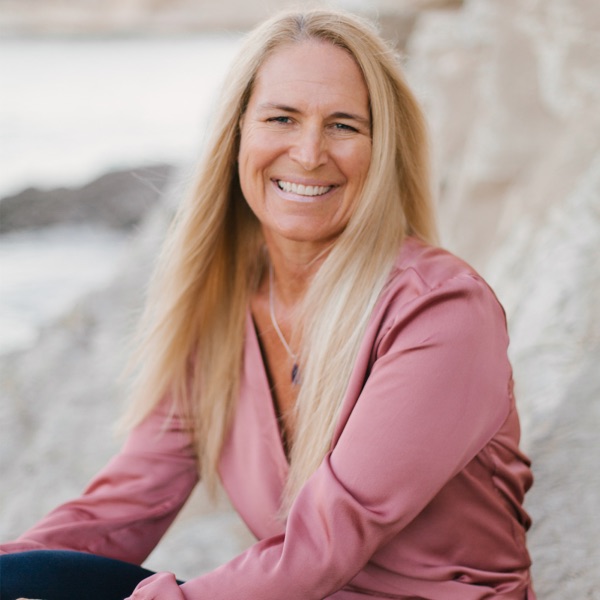
Published by Karen Thomas, Founder, CEO
Inspiring parents with natural solutions to create the most fulfilling, healthy and productive life possible for their children with autism. Empowering Parents with the Resources to Naturally Recover Autism from a mom who has done it. Having once been told her son could not recover from his symptoms of autism Karen Thomas now shares what she has learned through over a decade of personal research and experience that has brought her own son to recovery. Her background as a Craniosacral Therapist allowed her the awareness that the brain could heal if given the right support. Learn how you can allow your child a clear path for a happier and more fulfilling life with improved communication, better sleep, improved social abilities, and overall improved health. Get your FREE GUIDE to the top 7 foods to eliminate from your child's diet for better sleep, calmer moods, improved focus and speech at, NaturallyRecoveringAutism.com /7foods For more resources go to, NaturallyRecoveringAutism.com
On the charts
Every published chart this podcast appears in, in the snapshot behind this page. Each one links to the chart it came off.
The Mato Topic Intelligence Platform does not report this podcast as charting in a published category in this snapshot.
From the feed
The latest episodes published to this podcast’s own RSS feed. Titles and descriptions are the publisher’s.
How do I decide which supplements and health technologies are worth my time and money? Discover the 10 questions I ask before I use or recommend anything. When you’re a parent searching for ways to support your child’s health, it can be overwhelming. There are supplements, therapies, devices, technologies, practitioners, protocols, and products everywhere you look. Each one may come with impressive testimonials, promising research, or claims that it could make a difference. But how do you know what is truly worth your time, money, and attention? As an autism specialist with decades of experience in holistic health and working with families, I have learned that I can’t simply look at a product and ask, “Does this sound good?” Before I consider adding a supplement, health technology, or other product to my program, I do my own research and evaluation. I look at the science. I investigate the company. I look at how the product is made. I consider safety, quality, cost, ease of use, and whether it is genuinely practical for the families I serve. Because something can be innovative, popular, or expensive—and still not be the right quality or the right fit for every individual and their unique needs. Most importantly, I ask whether it makes sense. And I don’t just recommend something and send families on their way. When I believe in a product or technology, I use it myself and share it with my family so I can have firsthand experience with it and understand how it fits into real life. I like to approach anything in life with an open mind. I can’t even count how many potentially valuable options I may have missed if I hadn’t been open to looking into it further and trying them for myself, because first-hand experience is important to me too. Here are 10 of the questions I ask before I trust Is There a Scientific Rationale Behind It? The first question I ask is: Does this make scientific and biological sense? I have a very curious mind. I’m interested in understanding how something is supposed to work. What is the proposed mechanism? What biological pathway or process is involved? Is there credible research supporting the underlying science? I don’t believe that one study or one testimonial is enough to make a decision. I want to look at the bigger picture. I also consider what type of evidence exists. Is there peer-reviewed research? Human research? Laboratory research? Research on the specific product or technology? Or is the evidence primarily based on anecdotal reports? These are all different levels of evidence, and I believe it’s important to understand the difference. When I evaluate something new, I want to know not only what the company says it does, but also whether the science behind the concept is reasonable and supported by evidence... Click Here or Click the link below for more details! https://naturallyrecoveringautism.com/251
This episode shares the deeply personal story that changed my life forever. After my son was diagnosed with autism, I refused to believe there was nothing we could do. Through years of research, determination, and a natural approach to supporting his health, I watched him recover from the symptoms of autism. In this episode, I share what worked, what didn’t, and how that journey became the foundation of the four-stage process I now teach parents around the world. In this episode we talk about: The diagnosis What doctors said Fears The therapies What wasn’t working The discoveries we made The gradual improvements The milestones His recovery What our own journey has given me to offer to other parents of children with autism (at ANY age) This is personal That experience led me to spend decades helping other families follow the same principles... Click Here or Click the link below for more details! https://naturallyrecoveringautism.com/250
Most parents spend years chasing symptoms: Speech delays Stimming Sleep issues Gut problems Meltdowns Sensory challenges Anxiety Behavior These are not separate problems. They’re symptoms of underlying dysfunction. Imagine your car’s oil light, check engine light, and battery light all come on. You could cover each warning light with tape, but the car still isn’t fixed. You have to repair what’s causing the warning lights. Parents aren’t failing They’re simply working on the warning lights instead of repairing the systems underneath. The Biggest Mistake Parents Make When Trying to Help Their Child with Autism Buying supplement after supplement Trying every diet Chasing the newest therapy Following random advice online Doing everything at once Success isn’t about doing more. It’s about doing things in the right order. Your body has priorities. For example: If your kitchen sink is overflowing, you don’t start painting the walls. You stop the flood first. Likewise, the body has to heal in the proper sequence. Why Parents Get Stuck The reason so many parents feel stuck isn’t because you’re not trying hard enough. It’s because no one has shown you the correct order.” “In my upcoming free online training, I’ll walk you through the exact four-stage roadmap I used to help my own son recover from the symptoms of autism, and that I’ve taught thousands of families around the world.” During the free training, I’ll show you exactly why the order matters and how each stage builds on the one before it. Most parents spend years chasing symptoms: Speech delays Stimming Sleep issues Gut problems Meltdowns Sensory challenges Anxiety Behavior These are not separate problems... Click Here or Click the link below for more details! https://naturallyrecoveringautism.com/249
Including transition programs, supportive communities, and key questions to ask before choosing the right fit. For many autism families, one of the biggest questions is: “What happens after high school?” Parents often spend years focusing on therapies, education, communication, and daily support. But eventually, another important goal comes into view—helping their child become as independent as possible while living a fulfilling, meaningful life. The good news is that more communities, transition programs, and independent living models are emerging across the United States to support autistic teens, young adults, and adults. These programs go far beyond simply providing housing. The best ones help individuals develop life skills, employment skills, social connections, and the confidence needed to thrive. Independence Doesn’t Have to Mean Doing Everything Alone One of the biggest misconceptions about independent living is that it means living completely alone without support. In reality, successful independence often includes the right amount of assistance, coaching, and community. Many autistic adults thrive when they have support with: Budgeting and money management Meal planning and cooking Transportation Employment preparation Social skills and relationships Executive functioning Healthcare management Household organization The goal isn’t perfection. The goal is helping each individual reach their highest level of independence and quality of life... Click Here or Click the link below for more details! https://naturallyrecoveringautism.com/248
Housing, support and community for individuals with autism and other disabilities and the families who love them. Unity is a non-profit organization inspired by parents of a child with autism. As their son grew older they looked for resources to answer the questions: Who will care for my son when we’re gone. He may never be able to live independently, care for himself fully, or keep himself safe. We have family who love him deeply – but not the level of support required for his long-term care. So we searched, first locally, then nationally. What we found was heartbreaking. There were no truly appropriate housing options – and those that came close had waitlists up to 15 years long. So, we waited. Jenny McCarthy spoke the truthful and fearful words we all think in our minds, a truth so many parents carry but rarely say out loud: “The name of my next book is going to have to be “I Can’t Die”. Unity Communities exists to bring people together – families, partners, investors, and advocates – to create new pathways forward. Because no one should have to ask: “What happens when I’m no longer here?” And no one should have to answer that question alone... Click Here or Click the link below for more details! https://naturallyrecoveringautism.com/247
What’s Changing in Autism Support (And Why It Matters) There’s a major shift happening right now in how autism is approached. Instead of trying to “fix” behaviors, more professionals are moving toward: Individualized, child-centered support Strength-based development Supporting communication in multiple forms (speech, gestures, AAC) This shift is happening because families and autistic adults are speaking up—and it’s reshaping care. At the same time, there’s also confusion. Some systems still rely on: One-size-fits-all therapies High-hour, compliance-based approachesIn my last podcast, we talked about natural ways to help children with autism build confidence, self-esteem, communication, and social skills. But today, I want to take this deeper—because the conversation around autism is changing rapidly, and parents are asking new questions. Not just “What helps?” But “What actually works right now?” And perhaps most importantly: “How do I help my child communicate?” Why Speech and Communication Are at the Center of Everything Right now, one of the biggest concerns parents have is speech delay. And the encouraging news is this: Recent research shows that early, supportive intervention helps many non-speaking children begin to develop language—with about two-thirds gaining single words and many progressing to phrases. That’s powerful. But here’s the part that often gets missed:... Click Here or Click the link below for more details! https://naturallyrecoveringautism.com/246
As parents of children with autism we need to communicate with our children in ways that they understand, and understand them so they can thrive. In today’s episode I interview Robert Bernstein. We discuss how to naturally approach cognition in ways to increase both understanding of our children, and how to help with solutions based on their personal thought processes. Skills involved help people of all ages with autism to speak for the first time, or more clearly than before, build confidence and self esteem, and improve relationship skills with others. This episode also offers resources that parents can learn to assist educators and therapists who work with children with autism. Robert Bernstein is the founder of the Bernstein Cognitive Method, a Columbia educated autism specialist focusing on relationships and early language, with 35+ years of experience in his private practice and award-winning author of Uniquely Normal, Tapping the Reservoir of Normalcy to Treat Autism (with the foreword by Temple Grandin). Robert J. Bernstein has been treating children on the autism spectrum for more than 35 years. His approach promotes the organic change and growth so many parents want to see in their children. Rob is an international speaker, featured in Dateline and the New York Times, and is a member of the US Autism Association Advisory Board and the Autism Today Board of Directors. He has consulted with organizations including NYC Department of Education and Bronx Lebanon Hospital... Click Here or Click the link below for more details! https://naturallyrecoveringautism.com/245
Feeling alone in your child’s autism journey? Learn how support, guidance, and community can accelerate progress and bring hope to recovery. If you’re a parent walking the path of autism recovery, you already know something that most people don’t: This journey can feel incredibly lonely. Not because you don’t have people around you—but because unless someone has lived it themselves, they often don’t fully understand it. The endless searching. The second-guessing. The trial and error. The quiet moments of wondering if you’re doing the right thing. I know this because I lived it. When my child was struggling with symptoms of autism, I did what most parents do—I turned to doctors, therapists, and professionals, hoping for clear answers. But instead, I found they didn’t know what to do or would offer bits and pieces but didn’t have a complete roadmap. What they offered was more uncertainty. And often, the message that improvement beyond a certain point simply wasn’t possible. So I did what many parents eventually do when answers aren’t handed to them: I started researching. Learning. Testing. Piecing things together on my own... Click Here or Click the link below for more details! https://naturallyrecoveringautism.com/244
One of the most common questions parents quietly ask after their child receives an autism diagnosis is this: “Can things get better?” Not just in small ways—but in meaningful ways that help their child feel more comfortable in the world. It’s a question that doesn’t always receive clear or hopeful answers. Some parents are told autism is something that will never change, while others hear stories of children who make remarkable progress over time. So what is the truth? The truth is more nuanced—and far more hopeful—than many families are led to believe. Autism Is a Spectrum—and So Is Progress Autism is often described as a spectrum because every child experiences it differently. But something else is also true: Progress in autism is also a spectrum. Some children make gradual improvements in communication, social connection, emotional regulation, or sensory processing. Others experience more significant changes over time as their bodies and brains develop. What matters most is understanding that development is not fixed. Children’s nervous systems, immune systems, and brains continue to grow and adapt throughout childhood. Why Some Children Show Significant Improvement Parents around the world report seeing meaningful changes when they begin supporting the underlying systems that influence neurological function. These systems can include: the nervous system gut health and digestion sleep regulation immune balance sensory processing environmental influences... Click Here or Click the link below for more details! https://naturallyrecoveringautism.com/243
There’s a kind of stress autism parents carry that doesn’t show up in a doctor’s office chart, doesn’t get acknowledged in quick conversations, and rarely gets fully understood by those who haven’t lived it. It’s quiet. It’s constant. And it’s heavy. I know—because I’ve lived it. For years, I walked into appointments hoping to be heard… only to walk out feeling dismissed. Like what I was seeing in my own child didn’t quite “count.” Like my instincts were somehow less valid than a brief clinical observation. And over time, that does something to you. You start questioning yourself. You wonder, Do I even know what I’m doing? But here’s the truth: we do know our children. The problem is, we’re often navigating a world that doesn’t fully listen. The Weight of Not Being Heard One of the hardest parts isn’t just the diagnosis or the day-to-day challenges—it’s the feeling of being unseen as a parent. You try to explain what you’re noticing. The subtle changes. The regressions. The progress that others might overlook. And too often, it’s brushed aside. So you carry it alone. You carry the worry. You carry the responsibility. You carry the constant question: What else should I be doing? Decision Fatigue No One Talks About Every single day, autism parents are making decisions that feel incredibly high-stakes. Should we try this therapy? Is this supplement worth it? Is this approach actually helping… or wasting time? What if I choose wrong? And the truth is, there is so much information out there. Books, blogs, programs, opinions—often conflicting. One expert says one thing, another says the opposite. So what do we do? We research. Endlessly. Late nights. Early mornings. Scrolling, reading, comparing, trying to piece together a path that makes sense. And even after making a decision, there’s still that lingering doubt: Did I choose right? The Trial-and-Error Years For many of us, the journey isn’t linear. It’s trial and error. You try something with hope… only to realize it’s not working. You pivot. You try again. You invest time, energy, and money—hoping this will be the thing. And all the while, your child is growing. That’s the part that hurts the most. Watching them struggle. Feeling like time is slipping by while you’re still trying to figure it out. Wondering if you’re missing something that could make a difference. I lived that for 10 years. Ten years of searching. Trying. Second-guessing. Starting over... Click Here or Click the link below for more details! https://naturallyrecoveringautism.com/242
Over the past few weeks we’ve talked about why autism recovery progress can look uneven, the subtle signs your child’s body may be healing, and Why Progress Can Look Uneven in Autism Recovery (and Why That’s Normal) Podcast #239 . One thing I’ve learned after working with many families is that progress doesn’t usually stall because parents aren’t trying hard enough. It often stalls because no one warned them about a few very common pitfalls. 1️⃣ Trying to Do Too Much at Once Adding in more than one supplement at a time, increasing dosages too quickly, not having toxin binders in place or foundational detoxification support, and the wrong diet, all as therapies are added in. This pushes the neurological system too hard. It’s also emotionally stressful for anyone. Why layering slowly works better Adding in one new single supplement at a time, at the lowest possible dosage to begin, allows the body to process and absorb it better. This also offers you the opportunity to recognize any symptoms that may arise. Detoxification symptoms or ‘die off’ are when the body is not able to process out the toxins as fast as the body is releasing them. This back-up of toxins causes symptoms such as headache, fatigue, and heightened or worsening of behavioral symptoms. If this happens, it is crucial to slow down. This means lowering the dosage back to where they were doing well. First, it may be needed to take a few days and allow symptoms to subside before resuming. When you resume it is a good idea to begin at a lower dosage than you were at before and gradually work your way back up. This may seem like a slow process, but it is essential. It is one of those times when going slow helps you go faster. We don’t want to go any faster than the body can handle it. Again, let symptoms be your guide. 2️⃣ Measuring Progress Only by Behavior In our last episode, 5 Signs Your Child’s Body Is Healing (Even If Behaviors Haven’t Changed Yet) [Podcast Episode #240] , We talked about when behaviors are the only thing we measure, it’s easy to miss the quieter, foundational changes happening underneath the surface. Healing starts inside the body first—before it shows up outwardly in communication, learning, or behavior.Parents miss common signs because they are focused on just one thing like stimming or speech, but there is so much more... Click Here or Click the link below for more details! https://naturallyrecoveringautism.com/241
After learning that progress in autism recovery can look uneven, many parents ask a very important question: “How do I know if what we’re doing is actually helping?” When behaviors are the only thing we measure, it’s easy to miss the quieter, foundational changes happening underneath the surface. Healing starts inside the body first—before it shows up outwardly in communication, learning, or behavior. Here are five signs your child’s body may be healing, even if it doesn’t look dramatic yet. 1. Changes in Sleep Patterns Sleep is one of the first systems to shift when the nervous system begins to regulate. You may notice: Falling asleep faster Waking more frequently for a period Shorter naps or deeper nighttime sleep Temporary sleep disruptions followed by improvement These changes can be the body recalibrating circadian rhythms and neurological signaling. While sleep shifts can feel frustrating, they often precede cognitive and emotional gains. 2. Digestive Shifts (Yes, Even the Messy Ones) The gut plays a central role in immune function, detoxification, and neurological health. Signs of healing can include: Changes in stool frequency or texture Increased gas or bowel movements Improved appetite or food tolerance over time Temporary digestive discomfort as toxins are released While these changes aren’t always pleasant, they often indicate that the body is activating elimination pathways—a foundational step in healing. 3. Increased Emotional Expression As awareness increases, emotions often follow. Children may: Cry more easily Show frustration or excitement more clearly Seek comfort or connection Express preferences more strongly Rather than regression, this can mean your child feels safe enough in their body to express what’s happening internally. Emotional expression is a sign of neurological engagement—not loss of progress... Click Here or Click the link below for more details! https://naturallyrecoveringautism.com/240
If you’re walking the autism recovery journey with your child, you’ve probably experienced moments that feel confusing—or even discouraging. Just when things seem to be improving, a behavior resurfaces. A new challenge shows up. Sleep shifts. Digestion changes. Emotions run higher. And the question creeps in: “Are we doing something wrong?” I want to gently reassure you today: Uneven progress is not only common—it’s often a sign that healing is happening. Autism Recovery Is Not Linear One of the biggest misconceptions parents face is the idea that recovery should look like a straight line: Improvement → more improvement → no setbacks. But the body doesn’t heal that way—especially when we’re supporting neurological, immune, and detox pathways all at once. Healing tends to happen in layers and waves. You may see: A leap forward in communication, followed by emotional sensitivity Better sleep, paired with temporary digestive changes Increased awareness before behaviors settle down This doesn’t mean you’re going backward. It means the body is reorganizing and recalibrating. Why Behaviors Can Increase Before They Improve When the nervous system begins to regulate and the body starts clearing stored toxins or inflammation, it can temporarily feel uncomfortable. Children don’t always have the words to express that internal shift—so it can come out as: Increased stimming Emotional outbursts Fatigue or restlessness Sensory sensitivity From a healing perspective, this often signals that the body is waking up, not shutting down. Signs Healing May Be Happening (Even If It Doesn’t Look Like It Yet) Progress isn’t always obvious at first, especially if we’re only watching behaviors. Some early signs of healing include: Changes in sleep patterns (even if temporary) Digestive shifts or improved elimination Increased emotional expression or awareness More eye contact or curiosity Periods of fatigue followed by clarity or calm... Click Here or Click the link below for more details! https://naturallyrecoveringautism.com/239
There’s been a lot of conversation around autism—what’s working, what’s not, and how overwhelmed families can feel trying to support their children in a way that actually makes sense. After recently hosting a 3-day autism recovery blueprint event where I walked parents through my 4 stage process for optimum results in autism recovery, I wanted to take a moment to slow things down and reflect on it. Not to introduce something new—but to share what I’ve been seeing consistently inside the Naturally Recovering Autism membership. (By the way, if you missed the 3-day event you may still be able to catch the replays before the links expire by going to NaturallyRecoveringAutism.com/GO.) Because sometimes, the most powerful thing we can offer isn’t another strategy, but a clear concise roadmap that a parent can follow… Plus, real stories from real families who are walking this path too. Why my program exists When my own son was diagnosed with autism 20 years ago now, I was told to drug him and try behavioral therapies-basically, good luck. They told us we would be managing his symptoms the rest of his life. Fortunately, my background as a Craniosacral Therapist studying the brain and holistic health let me know the brain can and does heal, but I had to research autism more specifically to find out what was going on and what the solutions were so my son could live his best life possible. Naturally Recovering Autism was created with a simple, but often overlooked belief: when the body is supported in a holistic, gentle, and consistent way, it has an incredible ability to move toward balance. This isn’t about quick fixes or one-size-fits-all answers. It’s about education, nervous system support, detox pathways, lifestyle shifts, clearing coinfections and empowering parents to understand why they’re doing what they’re doing, and HOW to do it. And over time, that support adds up. Success Stories Inside the membership, families often share changes that may feel small at first—but are deeply meaningful:.. Click Here or Click the link below for more details! https://naturallyrecoveringautism.com/238
Autism is changing — not because autistic people are changing, but because our understanding of autism is finally catching up to the lived reality of millions of individuals and families. For decades, autism was described in narrow, stereotypical terms: one “type,” one path, one set of behaviors. The diagnosis was something handed to people, not something that reflected the full complexity of who they were. But today, the conversation is shifting. New research, broader cultural understanding, and the voices of autistic individuals themselves are ushering in a more accurate, more compassionate, and more inclusive view. We’re entering a new era — one where diagnosis, diversity, and identity work together to give us a deeper picture of what autism really means. Diagnosis: From Narrow Labels to Nuanced Understanding Historically, autism diagnosis was based on a narrow checklist of observable behaviors. These frameworks unintentionally left out large groups of people, especially:... Click Here or Click the link below for more details! https://naturallyrecoveringautism.com/237
Some people simply want to use X39 for personal wellness. Others feel called to share it. If you are loving what X39 is doing for you and want to share it with friends, family, or your community, LifeWave also offers a simple way to do that. You can become a Brand Partner, which gives you better pricing and an optional path to earn from sharing. What Brand Partner Status Gives You Wholesale pricing on X39 so you save on every sleeve. Your own LifeWave website to share and send people to easily. Volume points and commissions when others order through your link. A flexible business option you can keep small or grow over time. Why Many People Start Here Most people begin as Brand Partners because it is the best way to get started with X39. You get the lowest price, and your account is set up in case you ever want to share. There is no pressure or requirement to build a business. You can simply enjoy the savings and keep it for personal use. How to Become a Brand Partner Click the button below to choose your enrollment kit. Select Core, Advanced, Advanced Plus, or Premium based on what fits your goals. Complete your enrollment and place your first order... Click Here or Click the link below for more details! https://thrivingwithpatches.com/
How Understanding Autism Biology Can Help Children Thrive Autism Is Not One Thing: Why So Many Children Struggle — And Why It’s Not “Just Autism” For decades, autism has been treated as a one-size-fits-all label. But parents everywhere are starting to notice something that traditional models have missed: Not every autistic child struggles for the same reasons — and many challenges aren’t “autism,” they’re biology. New research confirms this intuitive truth. Scientists are now identifying multiple autism subtypes, shaped by different biological pathways such as immune function, gut health, metabolism, detoxification, and sensory processing. This shift marks a turning point away from the idea that autism equals a fixed set of symptoms — and toward understanding each child’s unique neurological and biological profile. And that’s exactly where powerful breakthroughs happen. Autism vs. the Challenges That Come With It Let’s be clear from the start: Autism itself is not a disease. Autism is a different neurotype — a unique way of communicating, processing the world, and experiencing life. But the challenges many autistic individuals face are not personality traits. They’re not “who the child is.” They are biological stressors layered on top of their neurodivergence — stressors that can be reduced, supported, and improved. These may include: chronic inflammation gut dysbiosis nutrient depletion impaired detox pathways mitochondrial or energy-production issues hormonal imbalance persistent immune activation environmental toxins food sensitivities (gluten, dairy, oxalates, salicylates, phenols, histamines)... Click Here or Click the link below for more details! https://naturallyrecoveringautism.com/236
Far-infrared has been used for centuries as a natural, safe method to assist health in multiple ways. Additional methods to assist detoxification are extremely important, especially for children with autism. Far infrared saunas are an excellent resource for this. Please watch this interview with expert Phil Wilson, to discover the many stress-relieving, and additional health benefits of far-infrared heat, including in-home, portable saunas. See studies and testimonials below. A few of the many Studies associated with the benefits and safety of far-infrared: Sauna as a valuable clinical tool for cardiovascular, autoimmune, toxicant- induced and other chronic health problems. Far infrared radiation (FIR): its biological effects and medical applications. Effects of far infrared accupoint stimulation on autonomic activity and quality of life in hemodialysis patients . (This study also shows the reduction of stress and fatigue on the autonomic nervous system.) Below are some video testimonies (Almost all Doctors) that you might find helpful in recognizing that the Relax Sauna is Unique in its effectiveness because of it being able to generate 95-99% pure far infrared energy, unheard of in the infrared sauna industry. These are just a few of the 650 + video testimonies on the relax sauna... Click Here or Click the link below for more details! https://naturallyrecoveringautism.com/235
Leafy greens, beans, and whole grains have long been celebrated as the heart of a clean, nutrient-rich diet. And yes — they can be incredibly nourishing. But there’s a side of the story most people simply never hear: how certain crops accumulate heavy metals, how common pantry staples can harbor mold and mycotoxins, and how all of this can overwhelm the body’s natural detox systems… especially in people with sensitivities or impaired detox pathways. Let’s pull back the curtain on the part that rarely gets talked about. Thallium in Leafy Greens: What Most People Don’t Know Some leafy greens — especially kale, chard, and mustard greens — are what botanists call “hyperaccumulators.” They’re very efficient at pulling minerals from the soil. The problem is that they don’t distinguish between minerals you want and metals you absolutely don’t. If the soil contains thallium or other heavy metals, those greens can soak it up. Thallium exposure has been associated with: Oxidative stress and mitochondrial dysfunction DNA strand breakage Neurological symptoms Mood changes This doesn’t mean kale “causes” depression or neurological issues. But for people already dealing with inflammation or impaired detoxification, thallium becomes one more burden the body has to manage. Why Children With Autism Can Be More Sensitive Many parents intuitively notice that their child on the spectrum is more sensitive to environmental triggers than other children — and there’s a reason this can happen. Many autistic individuals have variations in genes involved in detoxification and methylation, including MTHFR. These variations don’t mean anything is “wrong,” but they can slow or alter the way the body processes toxins. That means heavy metals, mold toxins, and chemical residues may: Build up more quickly Hit harder Stay in the system longer Interfere more with neurological and immune function For a child already dealing with sensory processing, gut challenges, or nervous system overload, these exposures can compound the stress on the body, sometimes showing up as sleep issues, irritability, mood changes, or behavioral shifts... Click Here or Click the link below for more details! https://naturallyrecoveringautism.com/234
Researchers from Virginia Tech have discovered that ultra-processed meats and beverages are the worst for brain health. Individuals who consumed one or more extra servings of either of these foods showed a significantly increased risk of developing cognitive impairments, including those associated with forms of dementia such as Alzheimer’s Disease. A recent article from Children’s Health Defense shared new research ranking which junk foods are most harmful to the brain — and it’s not just about kids’ waistlines or sugar highs. It’s about how what we eat can shape how we think, learn, and even feel. Let’s dig into what this new research is saying, and more importantly, what it means for our families. How Junk Food Impacts the Brain These studies found that foods loaded with refined sugar, unhealthy fats, and artificial ingredients don’t just harm the body — they change how the brain functions. Think of it like this: the brain runs on clear signals, kind of like a radio station. When it’s getting clean fuel — whole foods, real nutrients — that signal is clear. But when it’s constantly fed ultra-processed foods, it’s like turning up the static. The brain starts to lose focus, memory gets fuzzy, and mood and motivation can shift. Ultra-Processed Foods (UPFs) are now known to include obesity, type 2 diabetes , cardiovascular diseases, anxiety, depression, and an increase in all-cause mortality . In fact, according to a study published in Diabetes Care, a journal of the American Diabetes Association, up to 220,000 young Americans under age 20 are likely to have Type 2 diabetes by 2060 — a 673% increase from 2017 levels. One of the studies found that people who ate a lot of processed meats, fried snacks, and sugary drinks had measurable changes in the areas of the brain that control memory and emotion. Another study showed that even short-term diets high in sugar and fat can rewire how the brain’s “reward center” works — making people crave those same foods even more. A study of nearly 124,000 people found that drinking just one daily serving of artificially sweetened drinks increased the risk of a liver disease known as nonalcoholic fatty liver disease or metabolic dysfunction. That means the more we eat these foods, the more our brains want them, creating a loop that’s hard to break. Why Kids Are Especially Affected Recent research has shed light on a startling concern—more than 300 chemicals have been detected in babies’ cord blood and placenta at birth. This discovery highlights the fact that exposure to harmful chemicals begins much earlier than we previously thought. From conception through pregnancy, toxins can pass from the mother to the fetus, raising concerns about their potential long-term effects on child development and health. Children’s brains are still developing, which makes them much more sensitive to these kinds of foods. When a growing brain is constantly exposed to sugary, processed foods, it can interfere with how nerve connections form. Some of the research cited by Children’s Health Defense found that kids and teens who eat a lot of junk food have more trouble with memory and learning, and can experience more mood swings or attention issues. Part of that is because junk foods crowd out the nutrients that developing brains need — like omega-3s, zinc, and iron. And part of it is chemical: those processed ingredients can actually change the way the brain’s reward systems respond, which makes healthy foods less appealing over time... Click Here or Click the link below for more details! https://naturallyrecoveringautism.com/233
Ranking source
Apple Podcasts rankings via the Mato Topic Intelligence Platform.
Observed September 18, 2026. Cached outside the daily freshness window; the positions keep the date they were taken on.
Apple and Apple Podcasts are trademarks of Apple Inc., registered in the U.S. and other countries.
Pairs with
Bring this source into Mato to read its transferable patterns, then turn them into an original show for your own audience.