Mato just raised pre-seed Read more

Podcast charts
Published by Andrew Rappaport
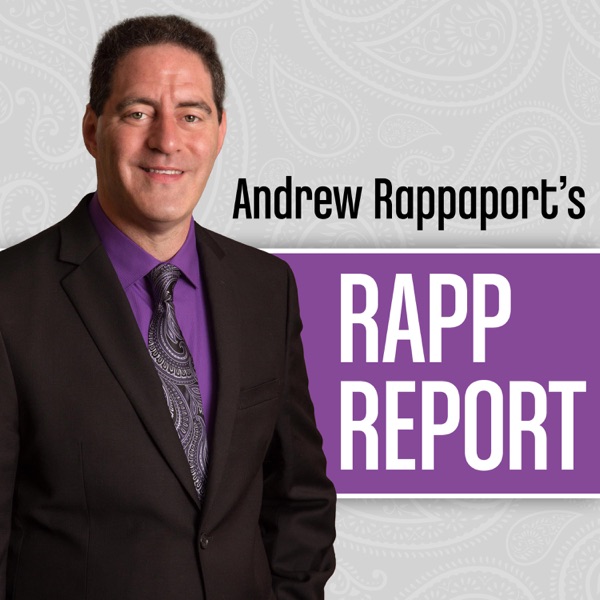
The Rapp Report with Andrew Rappaport is a podcast providing Biblical interpretations and applications for the Christian life. It is a ministry of Striving for Eternity.
On the charts
Every published chart this podcast appears in, in the snapshot behind this page. Each one links to the chart it came off.
From the feed
The latest episodes published to this podcast’s own RSS feed. Titles and descriptions are the publisher’s.
Andrew Rappaport engaged in a captivating discussion with Ben from China Compass that dives deep into the intricate dynamics of sharing the Gospel in a country where such activities are fraught with peril. They explored the nuances of navigating religious work in China, particularly under the shadow of stringent governmental regulations, highlighting the delicate balance of discretion and boldness required for effective ministry. Ben recounted his personal experiences, including the gripping story of his deportation, which was sparked by being caught with Bibles and religious literature, illustrating the real dangers faced by those who dare to proclaim their faith. The conversation also touched on the evolving nature of persecution in China, where the government has shifted from overt violence to more subtle forms of oppression, such as employment and housing threats, creating a complex landscape for believers. Ultimately, this episode not only sheds light on the challenges within China but also encourages listeners to cultivate a heart for prayer and support for their persecuted brothers and sisters. Takeaways: The conversation delves into the challenges and complexities faced by Christians in China, particularly how the government controls religious expression and how believers navigate their faith under such constraints, highlighting the need for resilience and adaptability. Ben shares his personal experiences of being deported from China for distributing Bibles and literature, illustrating the very real risks involved in sharing the Gospel in regions where it is illegal, prompting listeners to consider the cost of discipleship. The episode emphasizes the stark contrast between the governmental policies in China and the genuine faith of its people, urging listeners to pray for the Chinese church as it endures persecution and struggles for survival in a repressive regime. Andrew and Ben discuss the unique perspective of eternal significance that Chinese Christians possess due to their historical and ongoing suffering, suggesting that such hardship cultivates a deeper reliance on God that many in the West may lack. The conversation touches on the notion of 'righteous deception' in ministry, exploring ethical dilemmas faced by those who must navigate the harsh realities of evangelism in hostile environments, and how this impacts their approach to spreading the Gospel. Lastly, the episode urges listeners to engage with and pray for specific regions in China, presenting a practical way for Christians to support their brothers and sisters in faith while fostering a deeper understanding of the global Christian landscape. Unbeaten: Confronting the Lies (and Laughter) of the Chinese Communist Police Unbeaten.vip Pray for China: Every Province, Every County PrayforChina.us Feel free to share the whole letter, or just pull out the relevant giving links, etc.... Strategic Chinese Pastor Training Mission Catalyst International, in coordination with Pray for China ( PrayforChina.us ), is planning two conferences for Chinese underground pastors next month at a safe, undisclosed location in SE Asia. A strategic investment is needed to make this work, due to the sensitive nature of these gatherings in a safe location outside of mainland China. For security reasons, most attendees cannot purchase (cheaper) tickets in advance as it would give the authorities a chance to question the purpose of their travels and/or confiscate their passports before the conference. This makes airfare the biggest expense in organizing these conferences, followed by securing a safe meeting place and lodging in one of Asia's major metropolitan cities. Here's how you can help: First, please pray for these Chinese leaders! Not only do they risk their lives to preach the Gospel within Communist China, but they also risk their freedom just to receive training that we easily take for granted. Pray that God would protect them, provide for them, equip them, and prepare them to continue serving faithfully in one of the most difficult mission fields on earth. Second, help sponsor a Chinese pastor and send him to one of these two Great Commission Conferences for the Chinese Church! The need is roughly $1k per attendee , and we are expecting 60 total. Over $50k has already been raised, which leaves less than $10k to go. One final thought: whoever gives to wholly “sponsor” one Chinese missionary, I will personally greet them on your behalf and provide you with their name (or nickname), and general location of ministry within China, so you can continue to “adopt” them in prayer for going forward. - Online donations can be made via the giving link at MCI3.org ( https://givebutter.com/missioncatalyst ). - Checks can be sent to: Mission Catalyst / PO Box 73047 / Houston, TX 77272 (Memo: China) If you have any questions or would like to confirm your sponsorship or “adoption” of a Chinese missionary, feel free to call/text (405-728-6397) or email ( bfwesten@gmail.com ) anytime. Mentioned in this episode: What do We Believe by Andrew Rappaport What Do They Believe
The heart of this episode revolves around the pressing need for Christians to embrace genuine unity rather than the superficial and often contentious interactions seen on social media. Andrew Rappaport, the host, engages with guests Rosaria Butterfield and Cory Wing, diving deep into the complexities of Christian unity amidst differing theological perspectives. They explore how social media can often exacerbate divisions rather than foster understanding, with Rosaria highlighting the importance of discernment and true engagement over mere platform building. The trio emphasizes that true unity is rooted not in uniformity of beliefs but in the shared foundation of Christ and His teachings, encouraging listeners to prioritize humility and grace in their interactions. With thoughtful banter and insightful commentary, they navigate the challenges and opportunities that arise within the modern Christian landscape, ultimately calling for a return to scriptural truths as the bedrock of unity. Takeaways: Christian unity is essential and should be grounded in scriptural truth and regeneration, not mere labels. Social media often undermines Christian unity, creating divisions instead of fostering fellowship among believers. The call to unity does not negate discernment; Christians must uphold truth while maintaining love and humility. Real unity requires Christians to engage in good works and support one another in the faith journey, even amidst differences. Suffering together as Christians can deepen unity and foster a shared commitment to the Gospel's mission. A genuine understanding of identity in Christ is foundational for true Christian unity, emphasizing that we are all part of His body. Links referenced in this episode: strivingforeternity.org mypillow.com use the promo code "SFE" strivingforeternity.org/plunge
Andrew Rappaport and Eve Franklin dive deep into the cinematic portrayal of George Washington in the film "Young Washington," highlighting its surprising box office success and the intricate balance it strikes between historical accuracy and entertainment. They discuss how the movie engages viewers with Washington's formative years, illustrating the pride and failures that shaped him into the revered leader he would become. The conversation takes a thought-provoking turn as they explore the concept of providence, considering how God's hand may be at work in both triumphs and trials throughout history. They also tackle the implications of pride in leadership, drawing parallels between Washington's experiences and broader themes of humility and wisdom. Ultimately, the episode encourages listeners to reflect on their own journeys, urging them to seek wisdom and discernment in their lives while navigating a world that often misrepresents foundational truths. The duo’s banter adds a light-hearted touch, making complex themes accessible and engaging for all. Takeaways: The movie 'Young Washington' brilliantly illustrates the formative experiences that shaped George Washington into a national leader, highlighting his early struggles and triumphs. Andrew and Eve engage in a thoughtful discussion about how the film's portrayal of Washington's character emphasizes the importance of humility over pride in leadership. Listeners learn that the film's narrative, while not entirely historically accurate, serves as an engaging entry point for audiences to explore American history and the complexities of Washington's character. The podcast delves into deeper themes, such as God's providence in human affairs, showcasing how Washington's failures and growth reflect a broader spiritual journey relevant to Christians today. Eve and Andrew discuss the significance of independent films like 'Young Washington' succeeding against larger studio productions, reflecting a growing desire for family-oriented, value-driven narratives in cinema. The conversation highlights the necessity for Christians to approach modern media with discernment, balancing entertainment with critical thinking and biblical principles.
Andrew Rappaport dives into the deep end of the cultural pool in this episode, tackling the multifaceted intricacies of wokeness and its implications on American society. He is joined by Joel Rakow, who shares his personal journey from being a long-time Democrat to penning a novel that sheds light on the challenges of navigating a world steeped in wokeness. The discussion pivots to the significant cultural shifts that have occurred over recent years, questioning the ramifications of a society that increasingly prioritizes equity over meritocracy. Andrew and Joel engage in a lively banter, exploring the intersections of politics, faith, and the media landscape, while cleverly dissecting how these elements interact to shape public perception and policy. They also introduce the concept of a "Liberty scorecard," aimed at holding government officials accountable to constitutional values, fostering a conversation that is as thought-provoking as it is entertaining. Takeaways: Andrew Rappaport and his guest delve into the implications of wokeness in American society, illustrating how it has permeated various sectors and influenced cultural values. They explore the personal journey of Joel in relation to his shift from traditional party affiliations, showcasing the complex dynamics of political identity in contemporary America. The discussion sheds light on the concept of ESG (Environmental, Social, and Governance) and its role in driving corporate policies that prioritize social causes over shareholder profit. Listeners are encouraged to reflect on the historical context of political shifts, drawing parallels between past and present movements within the Democratic Party's evolution. Joels novel, ‘Life in Woke America’, serves as a narrative vehicle to address the challenges faced by individuals resisting societal pressures while maintaining their values and beliefs. The conversation emphasizes the need for a strong middle class as a foundation for societal stability and the alarming trends that threaten this foundational element in America. Links referenced in this episode: lifeinwokeamerica.com Mentioned in this episode: What Do They Believe What do We Believe by Andrew Rappaport
Greg Moore and Andrew Rappaport dive into the intricate world of echo chambers and tribalism in the Christian community, highlighting the detrimental effects of social media on genuine discourse. They unpack the idea that many Christians tend to surround themselves exclusively with those who share their beliefs, which can lead to a dangerous lack of critical engagement and understanding. Andrew stresses the importance of stepping outside one’s comfort zone and engaging with differing perspectives, as he recounts his experiences at conferences where he often finds himself as the theological outlier. The conversation takes a humorous turn as they discuss the absurdity of some social media antics, showcasing how online behavior can skew perceptions of reality. Ultimately, they advocate for face-to-face discussions over coffee to foster real understanding and humility, asserting that genuine Christian fellowship is far more enriching than the echo chambers formed online. Takeaways: Andrew Rappaport and Greg Moore delve into the intricate issues of echo chambers and tribalism within Christianity, emphasizing the dangers of reinforcing our biases instead of engaging with differing viewpoints. They explore how social media exacerbates tribal behavior, noting that divisions often arise from a desire for clicks and online validation rather than genuine theological discourse. The conversation highlights the necessity of humility in Christian dialogue, stressing that true conviction should lead to grace rather than arrogance in our interactions with others. Andrew shares personal anecdotes about how friendships can flourish even amidst theological disagreements, advocating for the importance of face-to-face discussions over social media arguments. Greg and Andrew discuss how many Christians, while claiming to seek truth, often fall prey to the same tribalism they criticize in others, leading to a culture of superficial knowledge rather than deep understanding. The episode concludes with practical advice on avoiding tribalism, such as prioritizing in-person conversations and surrounding oneself with diverse theological perspectives to foster genuine growth. Mentioned in this episode: What do We Believe by Andrew Rappaport
Andrew Rappaport articulates a profound examination of the foundational principles that established the United States as a representative republic, distinct from a mere democracy. He elucidates the significance of the 250th anniversary of American independence, emphasizing the original intent of the founders to create a nation that promotes individual responsibility and the potential for upward mobility, free from the constraints of aristocracy. By exploring the historical context of the thirteen colonies and their evolving relationship, he highlights the essential unity that binds diverse states under a common purpose. Rappaport further contemplates the moral and spiritual decline that threatens this great experiment, positing that a national return to Christian values is imperative for the preservation of freedom and prosperity. He concludes with a compelling call to repentance and faith in Jesus Christ, underscoring the necessity of divine guidance in safeguarding the future of America. Takeaways: The United States was established as a representative republic, not merely a democracy, emphasizing the importance of elected representatives acting on behalf of the people. The founders of the United States recognized the inherent sinful nature of humanity, which led them to implement a system of checks and balances to ensure the preservation of liberty. The notion of the American experiment aimed to create a society where hard work could lead to upward mobility, regardless of one's social class or lineage. Historically, the United States represented a departure from the traditional noble-peasant dichotomy, advocating instead for a robust middle class as a societal foundation. America's founding principles were deeply rooted in Christian values, which played a significant role in shaping its identity and moral framework. The future of America hinges on a collective return to these foundational values, as neglecting them could lead to societal decline and moral disarray. Andrew Rappaport articulates a profound examination of the foundational principles that established the United States as a representative republic, distinct from a mere democracy. He elucidates the significance of the 250th anniversary of American independence, emphasizing the original intent of the founders to create a nation that promotes individual responsibility and the potential for upward mobility, free from the constraints of aristocracy. By exploring the historical context of the thirteen colonies and their evolving relationship, he highlights the essential unity that binds diverse states under a common purpose. Rappaport further contemplates the moral and spiritual decline that threatens this great experiment, positing that a national return to Christian values is imperative for the preservation of freedom and prosperity. He concludes with a compelling call to repentance and faith in Jesus Christ, underscoring the necessity of divine guidance in safeguarding the future of America. Takeaways: The United States was established as a representative republic, not merely a democracy, emphasizing the importance of elected representatives acting on behalf of the people. The founders of the United States recognized the inherent sinful nature of humanity, which led them to implement a system of checks and balances to ensure the preservation of liberty. The notion of the American experiment aimed to create a society where hard work could lead to upward mobility, regardless of one's social class or lineage. Historically, the United States represented a departure from the traditional noble-peasant dichotomy, advocating instead for a robust middle class as a societal foundation. America's founding principles were deeply rooted in Christian values, which played a significant role in shaping its identity and moral framework. The future of America hinges on a collective return to these foundational values, as neglecting them could lead to societal decline and moral disarray.
Andrew Rappaport dives deep into the intricacies of Roman Catholicism in this thought-provoking episode, dissecting the rise of Catholicism and Eastern Orthodoxy post-COVID. He engages in a compelling conversation with Pastor Chris Durkin, of Colts Neck Community Church, who shares his personal journey from a nominal Catholic upbringing to an evangelical pastor. They explore the misconceptions surrounding Catholic beliefs, emphasizing the critical difference between what the Church teaches and popular cultural perceptions. With witty banter that keeps the conversation lively, they tackle complex ideas such as the Catholic understanding of salvation, the role of tradition versus Scripture, and the often misunderstood doctrine of purgatory. As they navigate these theological waters, Andrew and Chris highlight the importance of biblical truth in addressing the questions and needs of those drawn to high church traditions, encouraging listeners to think critically about the faith they share with their Catholic friends and family. This episode is not just a critique; it is an invitation for listeners to engage in meaningful conversations about faith, truth, and the grace offered through Christ. Takeaways: The discussion highlights the resurgence of Roman Catholicism and Eastern Orthodoxy, especially post-COVID, raising questions about the true understanding of Catholic beliefs among former adherents and those curious about the faith. Pastor Chris emphasizes the critical need for clear biblical teaching to counter misconceptions about Catholicism, stressing that many do not actually know what the Catholic Church teaches. The episode delves into the idolatrous practices within Catholicism, particularly regarding Mary and the saints, and how these beliefs diverge from biblical teaching about worship and salvation. A significant point made is that adding anything to the Gospel, such as purgatory or the necessity of works for salvation, undermines the sufficiency of Christ's sacrifice on the cross. Listeners are encouraged to engage with Catholics in their communities, focusing on grace and truth, and to clarify misunderstandings about salvation and the authority of scripture versus church tradition. The conversation concludes with a call to action for Christians to not only share the Gospel but to also challenge the erroneous teachings of Catholicism in a loving yet firm manner, reflecting on the church's role in today's culture.
A profound conversation unfolds as Andrew Rappaport and Rebecca Berschwinger tackle the pressing issue of children's literature in contemporary society. They kick off the discussion by posing a crucial question: what are children really reading? This inquiry resonates deeply, especially for parents navigating the complexities of public school systems. The duo emphasizes the importance of parental vigilance in monitoring the narratives that permeate their children's reading materials, particularly in light of the alarming rise of LGBTQ+ themed books prevalent in schools. Andrew underscores the ironic situation where school boards restrict parental access to certain content while promoting those very narratives to children, raising a flag for parental involvement in their children's literary choices. Rebecca, passionate about her mission through Love and Truth Books, articulates her motivations for writing. Observing friends and families grappling with the ideologies presented in modern literature, she felt compelled to provide alternative narratives that align with biblical principles. As the conversation progresses, they delve into the statistics surrounding the increase in LGBTQ+ themed children's books, revealing that these titles constitute a significant portion of all children's literature currently published. This revelation serves as a clarion call for parents to reclaim their children's reading experiences by actively seeking out literature that reinforces their values, thus empowering children to navigate their world with a firm moral foundation. The dialogue culminates in a broader exploration of how literature shapes societal values and influences young minds. Andrew and Rebecca address the concerning trend of indoctrination within public schools, where children are often exposed to ideologies that clash with their family beliefs. Through engaging anecdotes and compelling arguments, they stress the necessity for parents to foster critical discussions about these themes with their children. The episode serves as a powerful reminder that the battle for the hearts and minds of the next generation begins with the stories they read, making it imperative for parents to be proactive in guiding their children's literary journeys. Takeaways: The importance of knowing what children are reading cannot be overstated, especially in public schools. Parents must actively engage in discussions about the materials their children are exposed to in schools. Rebecca's Love and Truth Books aim to counter the pervasive LGBT ideologies in children's literature. The podcast emphasizes that children are being exposed to these ideologies at an alarming young age, necessitating parental intervention. The need for biblical resources in children's literature is critical to combat the current cultural narrative. As parents and believers, taking a stand on these issues is essential to ensure children receive a foundational understanding of their faith. Links referenced in this episode: strivingforeternity.org lovintruthbooks.com loveandtruthbooks.com onelittlecandlepodcast.com
Andrew Rappaport dives deep into the heart of the truth war that Christians face today, emphasizing that the focus is not merely on this life but on the kingdom to come. He and Pastor Jeff Kliewer explore the pressing need for Christians to actively engage in cultural issues, standing firm against ideologies that threaten their values and beliefs. They tackle the uncomfortable truth that silence in the face of societal decay is complicity, and they call on believers to be warriors for the truth—ready to suffer for their faith if necessary. The conversation takes a bold turn as they address contemporary challenges posed by political ideologies, including social justice and rising anti-Semitism, and urge their audience to recognize the urgency of their mission. With a mix of sharp insights and relatable humor, Rappaport and Kliewer inspire listeners to take a stand, not just for the church, but for a society that reflects God’s kingdom on earth. Takeaways: Christians are called to engage in the culture war, advocating for truth and righteousness, even in the face of adversity. Pastors should not shy away from addressing controversial issues from the pulpit, as silence can lead to complicity in societal evils. The expectation for believers today is to act as truth warriors, willing to suffer for their faith and confront the wolves of the world. Society's moral decline necessitates that Christians speak out against injustices like abortion, showing love and compassion for those involved. The history of the church demonstrates that political involvement can lead to positive outcomes, significantly impacting the spread of the Gospel. In a world increasingly hostile to Christian values, believers must prepare to defend their faith and the rights of the oppressed. Mentioned in this episode: Bible Interpretation made Easy seminar
A robust discussion unfolds as Andrew Rappaport delves deep into the contentious issue of anti-Semitism in contemporary society, shedding light on its alarming resurgence within various spheres, including the church. With Dr. Russell Fuller as a guest, Rappaport navigates the complexities surrounding the topic, emphasizing how anti-Semitic sentiments have infiltrated not only political discourse but also permeated theological discussions in evangelical circles. The conversation emphasizes the historical context of such animosity, drawing parallels to figures like Haman from the Biblical narrative, who sought the annihilation of the Jewish people. Rappaport and Fuller explore the implications of these sentiments, urging listeners to recognize the scriptural mandates that call for support, understanding, and love towards the Jewish people, while simultaneously condemning unjust criticism that stems from a lack of knowledge and understanding. The underlying message resonates throughout the episode: a critique of anti-Semitism is not merely an act of sympathy but a moral imperative grounded in the understanding of God’s relationship with His chosen people. Takeaways: Andrew Rappaport dives deep into the rising tide of anti-Semitism within the church, warning listeners of its insidious spread from political circles to evangelical communities. The episode highlights the importance of engaging with primary sources when studying theological and historical issues, emphasizing that understanding the truth is essential to combating misinformation. Dr. Russell Fuller shares his expertise on Jewish history and anti-Semitism, drawing parallels between contemporary issues and the historical figure of Haman, illustrating the persistent threat against the Jewish people. Listeners are encouraged to reflect on the biblical obligation to love and witness to the Jewish community, contrasting the spirit of Haman with the compassionate spirit of Christ and Paul. The podcast discusses the dynamics of political alliances within the church, revealing the complexities of supporting Israel amidst a landscape of shifting ideologies and rising anti-Semitic sentiments. Andrew and Dr. Fuller emphasize the role of local churches in training future leaders, advocating for a return to pastoral training that prioritizes biblical education without the burdens of traditional seminary costs. Links referenced in this episode: russelltfuller.com truthfellowship.org strivingforeternity.org
Andrew Rappaport and his guest, Brenton Rilingdive, headfirst into the contentious topic of whether Christians should engage in the political arena. They quickly tackle the prevalent myth that suggests the scriptures advise against such involvement, asserting that this notion is not only unfounded but detrimental to the Christian witness in society. Packed with insights, they explore how Christians can and indeed should participate in politics at every level, emphasizing that local engagement can yield significant impacts on communities and governance. Through their discussion, they highlight the importance of Christians exercising dominion in various spheres—including economics and politics—to foster a society that reflects Godly principles. Listeners are encouraged to consider both the theological implications and the practical steps for getting involved, including resources such as the Reform Business Alliance and the upcoming Local Watchman platform, designed to empower community activism. Takeaways: The podcast challenges the myth that Christians should avoid politics, highlighting biblical support for involvement in political realms. Listeners are encouraged to recognize that local politics can significantly influence community governance and Christian values. The discussion emphasizes the importance of market research for aspiring entrepreneurs to ensure their business ideas meet actual demand. The importance of maintaining a balance between family life and entrepreneurial endeavors is explored, with practical tips for time management. Listeners learn about the upcoming Local Watchman platform, designed to keep citizens informed about local government activities and encourage civic engagement. The podcast stresses that Christians have a responsibility to engage in the political process to uphold values and influence legislation that aligns with their beliefs. Links referenced in this episode: strivingforeternity reformbusinessalliance.com
Andrew Rappaport dives into a thought-provoking conversation with Dr. Everett Piper, a figure who has made waves in the world of higher education and cultural commentary. The salient point that emerges early on is the urgent need for a bold, biblical approach to education and cultural engagement, especially in a world that often seems to prioritize fleeting narratives over enduring truths. Dr. Piper, who previously led Oklahoma Wesleyan University, shares his journey from a blue-collar background to becoming a college president, emphasizing the importance of standing for scriptural integrity amidst the cultural chaos. Their banter is laced with wit and insightful observations about the current state of society, politics, and the pervasive influence of social media on public discourse. As they explore the tensions between conservatism, libertarianism, and the role of faith in contemporary issues, listeners are encouraged to reflect on their own convictions and the importance of truth in a culture that often feels increasingly fractured. This episode promises to engage both the mind and the spirit, leaving the audience with a renewed perspective on the intersection of faith, education, and societal values. Takeaways: Andrew Rappaport emphasizes that true leadership in Christian education requires courage to stand for biblical truths, even amid cultural challenges and crises. Dr. Everett Piper shares his journey from a blue-collar background to the presidency of Oklahoma Wesleyan University, highlighting the importance of faith and education in shaping one's path. The discussion highlights the necessity for Christian institutions to be distinct in their mission and messaging, particularly in an increasingly secularized culture. Dr. Piper argues that the engagement of Christians in cultural and political discussions is essential, as biblical truths must guide societal norms and definitions of morality. Both hosts stress the importance of wisdom and integrity in leadership, particularly within Christian contexts, to inspire others and maintain organizational health. The conversation critiques the tendency of some conservatives to idolize personalities rather than principles, urging listeners to base their beliefs on enduring truths rather than fleeting opinions. Links referenced in this episode: DrEverettPiper.com Dr. Piper's YouTube Mentioned in this episode: Bible Interpretation made Easy seminar
Andrew Rappaport dives into a riveting discussion on the complexities surrounding anti-Jewish rhetoric within Christian circles, joined by his friends Jon Harris and Joseph Spurgeon. They unpack the alarming trend of individuals scapegoating Jewish people as the root of societal issues, which raises eyebrows and concerns about the theological implications of such views. With keen insight, they explore how these ideas have permeated discussions of masculinity and identity, often shifting blame onto a single group rather than addressing broader spiritual battles. The trio engages in a thoughtful critique of the rise of a new anti-Jewish theology, emphasizing the need for clarity, love, and a return to the Gospel, all while navigating the murky waters of current cultural conversations. As they share their perspectives, listeners are encouraged to consider the importance of evangelism and understanding in discussions surrounding Israel and the Jewish community, ultimately promoting a message of love and truth in a world filled with division. Andrew Rappaport dives deep into a troubling and timely topic that has sparked heated debates across various circles: the rise of anti-Jewish sentiments within some Christian factions. In a relaxed yet incisive manner, he engages with his guests, Jon Harris and Joseph Spurgeon, to dissect the implications of a new wave of theology that seems to scapegoat Jewish people for broader societal issues. Throughout the conversation, the trio explores how some segments of Christian thought have shifted from constructive criticism of Judaism to outright animosity, often blurring the lines between criticism of religious beliefs and hostility toward ethnic identities. Andrew's conversational style invites listeners to reflect on the nuanced distinctions between Judaism as a faith and Jewish identity, while also addressing the dangers of conflating the two in discourse that leans toward vilification rather than understanding. The episode serves as a clarion call for Christians to approach the topic with both love and discernment, recognizing the importance of evangelism over enmity. Takeaways: In a world where anti-Semitism persists, understanding the roots and implications of this hatred is critical for Christians today. Andrew Rappaport emphasizes the importance of biblical interpretation and application in addressing sensitive topics surrounding Israel and Jewish identity. The podcast explores the complexities of Jewish identity, discussing the distinction between ethnicity and religion within the context of Christianity. Listeners are encouraged to engage thoughtfully with the topic, recognizing that love and the gospel must drive our interactions with others, including those we may disagree with. Links referenced in this episode: strivingforeternity.org johnharrismedia.com The New Anti-Jewish Theology
Andrew Rappaport, the host of the Rapp Report and Apologetics Live podcasts, dives into a thought-provoking discussion with Pastor Adam Parker as they tackle the complexities surrounding Bill Johnson's teachings. Right off the bat, they dissect the core issue: the problematic framing of power as the measure of a Christian's faith, as highlighted in Johnson's book "When Heaven Invades Earth." The conversation unravels the intricacies of Scripture versus experience, exploring how personal testimonies often overshadow biblical truths, leading to a skewed understanding of faith and miracles. Adam, coming from a continuationist perspective, emphasizes the importance of accountability to Scripture, even within charismatic circles, while Andrew, representing the cessationist viewpoint, raises critical questions about the implications of expecting miracles as normative. Their banter is sprinkled with wit, making this episode not just informative but also engaging, as they navigate the often contentious waters of theological discourse with a friendly touch. Listeners are invited to consider their own beliefs and join the ongoing dialogue, especially during the upcoming Apologetics Live episode where the discussion will continue. Listeners are treated to a thought-provoking dialogue on the Rapp Report, where Andrew Rappaport and Pastor Adam Parker dissect the theological implications of Bill Johnson's *When Heaven Invades Earth*. The episode dives into the heart of hyper-charismatic teachings, with Parker articulating his concerns about how these beliefs may mislead Christians by emphasizing experience over biblical truth. Rappaport, as the host, deftly navigates this complex discussion, highlighting the importance of sound doctrine and critical thinking in matters of faith. Parker's methodical approach involves a detailed analysis of Johnson's claims, particularly the assertion that power is the defining characteristic of a believer's life. This leads to a broader discussion about the nature of miracles, the role of faith, and how these concepts are often misrepresented within charismatic circles. The episode is rich with theological insights, yet remains approachable, as both hosts balance serious discussion with humor and camaraderie. They invite listeners on a journey of introspection, urging them to critically evaluate their beliefs and to align them more closely with scripture, fostering a sense of unity within the body of Christ despite differing views on spiritual gifts. Takeaways: In this episode, Andrew Rappaport discusses the theological implications of Bill Johnson's teachings, emphasizing the importance of aligning beliefs with Scripture rather than personal experiences. Pastor Adam Parker provides a unique perspective as a continuationist, engaging respectfully with cessationist viewpoints while critiquing the hyper-charismatic movement. Listeners learn that the relationship between power and faith is central to Johnson's writings, raising concerns about the potential misinterpretation of biblical texts. The conversation highlights the necessity of evaluating charismatic practices critically, ensuring that personal experiences do not overshadow scriptural truths. Rappaport and Parker address the broader implications of charismatic theology on the church and the potential dangers of prioritizing experience over doctrine. The episode encourages open dialogue among Christians of differing views, promoting a respectful exchange of ideas while seeking to uphold biblical integrity. Links referenced in this episode: StrivingForEternity.org/miracles Mentioned in this episode: Bible Interpretation made Easy seminar
Andrew Rappaport, the host of the Rapp Report and Apologetics Live podcasts, dives into a riveting discussion on the art of evangelism in this episode. He teams up with Pastor George from the Gospel Exchange Podcast, highlighting the integral connection between evangelism and discipleship. Their conversation revolves around the importance of relational evangelism, emphasizing that sharing the Gospel is not just a one-time act but a continuous journey of nurturing faith within communities. Throughout the episode, they challenge listeners to reflect on how they can effectively bring these principles into their own churches, promoting an environment where evangelism flourishes alongside genuine discipleship. With a blend of insightful dialogue and practical applications, this episode serves as a powerful reminder of the transformative impact of the Gospel and the necessity of equipping believers to share it effectively. Takeaways: In this episode, Andrew Rapaport discusses the importance of evangelism and how it should be integrated with discipleship, emphasizing their interconnectedness in the Christian life. Pastor George highlights the cyclical nature of ministry as presented in the Exchange program, which encourages believers to make disciples who will also make disciples. The conversation touches on the cultural implications of evangelism, stressing that sharing the gospel is essential for societal change and should not be viewed solely as a program. Listeners are encouraged to think about practical ways to implement evangelism in their own churches, asking themselves how they can apply what they learn from the podcast. George shares his heartfelt journey from being a missionary to engaging in relational evangelism, illustrating how personal stories can effectively convey the gospel message. The episode concludes with a call to action for listeners to explore the resources available at the Exchange, emphasizing the importance of equipping oneself for effective evangelism. Links referenced in this episode: strivingforeeternity.org exchangemessage.org Companies mentioned in this episode: Striving for Eternity Christian Podcast Community Gospel Exchange Podcast
Andrew Rappaport and Pastor Dom dive into the intricate details of Exodus 21 in this engaging episode, examining the multifaceted nature of biblical slavery and its implications for modern society. The duo expertly navigates through topics such as the death penalty, the nuances of slavery in biblical times versus the abhorrent practices of the African slave trade, and the responsibilities of individuals when it comes to their property, like, say, that ox that just cannot keep its goring instincts in check. They sprinkle in humor and wit as they dissect the scriptural text, making complex theological concepts accessible for everyday listeners. With a focus on context and proper interpretation, Andrew and Pastor Dom challenge listeners to reflect on their own responsibilities and the moral implications of their actions in today’s world. By the end, they leave the audience with a deeper understanding of justice, accountability, and the importance of exegesis in interpreting Scripture for real-life applications. Takeaways: In this episode of the Rapp Report, Andrew Rappaport and Pastor Dom dive into the multifaceted context of Exodus 21, exploring how ancient laws on slavery and restitution apply to modern ethical discussions, all while maintaining a relaxed and witty banter that makes complex topics accessible. The hosts emphasize the crucial importance of proper exegesis—understanding the context of biblical passages—highlighting how misinterpretations, especially regarding slavery, can lead to significant misunderstandings in contemporary discussions on morality and justice. Andrew and Dom cleverly navigate through various scenarios presented in Exodus, illustrating the principle that accountability and responsibility are timeless concepts, whether dealing with oxen or contemporary legal issues, all while keeping the conversation light-hearted and engaging. Listeners are encouraged to appreciate the balance between historical context and modern application, as the hosts share insight on how the ancient text informs current societal norms, especially concerning justice and personal responsibility in a witty and relatable manner. Links referenced in this episode: strivingforeternity.org logos.com/sfe
Andrew and Pastor Dominic dive deep into the intricacies of Exodus 21 in this episode, tackling some seriously relevant biblical principles about justice and responsibility. They explore the consequences outlined in the scripture regarding the treatment of pregnant women and the implications of injury, demonstrating how these ancient texts still resonate in modern discussions, particularly around the value of life. With a relaxed banter typical of seasoned podcasters, Andrew and Pastor Dom navigate the nuances of the text, highlighting how the law distinguishes between injury to a woman and harm to a child and the resulting ramifications. They engage the audience with witty commentary and clever observations, ensuring that listeners not only grasp the biblical context but also see its application in today’s society. By the end of the episode, they emphasize the high regard the Bible has for women, challenging contemporary cultural narratives that often overlook this vital aspect. Tune in for a blend of theological insight and light-hearted repartee, as Andrew and Pastor Dom unpack these vital truths from scripture. Takeaways: The episode dives deep into Exodus 21, exploring complex themes of justice and restitution, and how they apply to contemporary issues, which adds depth to biblical interpretation. Listeners are encouraged to understand the serious implications of the biblical laws discussed, particularly in relation to the treatment of women and the concept of personhood. The interplay between humor and serious theology in the podcast illustrates how faith can be discussed in a light-hearted yet profound manner, making complex topics more approachable for the audience.
Andrew Rappaport hosts a thought-provoking episode of the Rapp Report, featuring a crossover with Pastor Dominic Grimaldi from Street Talk Theology. They delve into the weighty themes found in Exodus chapter 21, igniting a discussion about the often-challenging biblical concepts of capital punishment and the treatment of individuals within the framework of ancient laws. He and Pastor Dom tackle the audacious notion that striking a parent or even cursing them warrants a death sentence, exploring the implications of such a stringent moral code on contemporary society. The conversation seamlessly transitions into a nuanced examination of the complexities surrounding slavery and kidnapping, particularly the grave consequences delineated in scripture. As they navigate these densely packed topics, listeners are encouraged to reflect on the relevance of these ancient laws in our modern context, all while enjoying the light-hearted banter and camaraderie between the two hosts. This episode promises to engage both the mind and the spirit, inviting the audience to ponder the depth of God's justice and mercy embedded in the biblical narrative. Takeaways: Andrew Rappaport emphasizes the importance of biblical interpretation and application in a relaxed and engaging manner, making complex theological concepts accessible to listeners. The podcast features a meaningful discussion on Exodus 21, exploring the nuances of capital punishment and the value of human life within the context of biblical law. Listeners are encouraged to reflect on the role of family dynamics, respect for parents, and the implications of cursing one's parents in today's culture, drawing parallels to societal issues. The hosts cleverly interweave humor and wit throughout their conversation, making the weighty topics of scripture and morality feel relatable and engaging for a diverse audience.
Andrew Rappaport hosts a thought-provoking episode of the Rapp Report, featuring a crossover with Pastor Dominic Grimaldi from Street Talk Theology. They delve into the weighty themes found in Exodus chapter 21, igniting a discussion about the often-challenging biblical concepts of capital punishment and the treatment of individuals within the framework of ancient laws. He and Pastor Dom tackle the audacious notion that striking a parent or even cursing them warrants a death sentence, exploring the implications of such a stringent moral code on contemporary society. The conversation seamlessly transitions into a nuanced examination of the complexities surrounding slavery and kidnapping, particularly the grave consequences delineated in scripture. As they navigate these densely packed topics, listeners are encouraged to reflect on the relevance of these ancient laws in our modern context, all while enjoying the light-hearted banter and camaraderie between the two hosts. This episode promises to engage both the mind and the spirit, inviting the audience to ponder the depth of God's justice and mercy embedded in the biblical narrative. Takeaways: Andrew Rappaport emphasizes the importance of biblical interpretation and application in a relaxed and engaging manner, making complex theological concepts accessible to listeners. The podcast features a meaningful discussion on Exodus 21, exploring the nuances of capital punishment and the value of human life within the context of biblical law. Listeners are encouraged to reflect on the role of family dynamics, respect for parents, and the implications of cursing one's parents in today's culture, drawing parallels to societal issues. The hosts cleverly interweave humor and wit throughout their conversation, making the weighty topics of scripture and morality feel relatable and engaging for a diverse audience.
Andrew Rappaport and Pastor Dominic Grimaldi dive into the complexities of biblical slavery in Exodus 21, addressing a passage that has left many scratching their heads in confusion. The heart of the discussion centers on the stark differences between ancient and modern perceptions of slavery, emphasizing that the biblical context is far removed from the horrors of the 21st-century slave trade. They explore how cultural context is essential for proper exegesis, illustrating that the Hebrew slave's experience was more akin to an employer-employee relationship rather than property ownership. With a blend of wit and wisdom, they tackle difficult topics such as loyalty and responsibility, highlighting the importance of understanding scripture in its historical context. Expect to leave this episode not only with a clearer view of biblical text but also a chuckle or two as Andrew and Dominic navigate the nuances of ancient laws and their implications for modern audiences. Andrew Rappaport takes listeners on an engaging and enlightening journey into the complexities of biblical interpretation, with a particular focus on Exodus 21. Joined by Pastor Dominic Grimaldi, they explore the often-misunderstood topic of slavery as presented in the Old Testament. They delve into the cultural context of ancient Israel, contrasting it with contemporary understandings of slavery that are marred by historical atrocities. The discussion begins with a humorous banter, setting a relaxed tone, before diving into the serious matter at hand. Andrew and Pastor Dom highlight the significance of good exegesis—interpreting scripture with an awareness of the original audience's context—as they tackle challenging verses that address servitude, the treatment of women, and the obligations of masters. They argue that, contrary to modern perceptions, slavery in biblical times can be seen as a form of social structure aimed at providing for the vulnerable, rather than mere ownership and oppression. They provide thoughtful insights on how these ancient laws reflect God's care for the marginalized, making the case that the underlying principles of responsibility, loyalty, and care are timeless and applicable to today's employer-employee relationships. Ultimately, the episode encourages listeners to think critically about scripture and its implications for their lives today, all while keeping the conversation light and approachable. This episode delivers a deep dive into Exodus 21, where Andrew Rappaport and Pastor Dominic Grimaldi unravel the intricacies of biblical laws regarding slavery. With a blend of wit and wisdom, the duo engages the audience in a thoughtful exploration of a text that challenges contemporary values. They emphasize the need to understand the cultural context of ancient Israel to grasp the true meaning of the laws governing servitude. The conversation navigates through the text's implications, discussing how a Hebrew slave's freedom after six years and the treatment of female slaves differ significantly from the horrors of modern slavery. Through their dialogue, Andrew and Pastor Dom illustrate that the biblical notion of slavery was not only about servitude but also about loyalty and covenant relationships. They emphasize the protective nature of these laws, arguing that they reflect God's character in caring for the marginalized. Listeners are invited to consider how these ancient principles can be applied in modern contexts, particularly in workplaces, relationships, and societal structures, demonstrating that the message of responsibility and care is as relevant today as it was thousands of years ago. In a captivating episode, Andrew Rappaport and Pastor Dominic Grimaldi take on the challenging topic of slavery as depicted in Exodus 21, discussing its complexities with both humor and insight. The hosts approach the subject matter with a relaxed tone, weaving in personal anecdotes and cultural references that resonate with their audience. They dissect the scripture, providing clarity on the differences between biblical slavery and the modern understanding of the term, particularly in light of the atrocities of the African slave trade. The duo posits that the biblical framework presents a system that, while foreign to contemporary values, was designed to protect the vulnerable and ensure care for the least of society. As they delve deeper, Andrew and Pastor Dom draw parallels between ancient practices and modern employer-employee dynamics, emphasizing the inherent responsibility that comes with leadership and authority. The episode encourages listeners to reflect on their own relationships and societal roles, challenging them to apply the principles of loyalty, care, and responsibility to their lives. With a promise of further exploration in future episodes, the discussion leaves the audience eager for more insights into the complexities of scripture and its application to today’s world. Takeaways: Andrew Rappaport, the host of the Rapp Report, emphasizes the significance of cultural context when interpreting biblical passages, especially challenging texts like Exodus 21. Pastor Dominic Grimaldi and Andrew explore the complexities of biblical slavery, highlighting the differences between ancient practices and modern perceptions, which often lead to misunderstandings. The discussion reveals that biblical slavery was often a means of financial survival, contrasting sharply with the inhumane practices seen in the African slave trade. The duo stresses the importance of loyalty and responsibility in relationships, whether in marriage or employer-employee dynamics, reflecting God's care for the vulnerable. Listeners are encouraged to appreciate the nuances of scriptural interpretation, understanding that exegesis is crucial for grasping the intended messages of biblical texts. The podcast underscores the biblical principle that those in positions of power must protect and care for the least among them, reinforcing the theme of divine justice in social structures. Mentioned in this episode: What do We Believe by Andrew Rappaport
Ranking source
Apple Podcasts rankings via the Mato Topic Intelligence Platform.
Observed September 19, 2026.
Apple and Apple Podcasts are trademarks of Apple Inc., registered in the U.S. and other countries.
Pairs with
Bring this source into Mato to read its transferable patterns, then turn them into an original show for your own audience.