Mato just raised pre-seed Read more

Podcast charts
Published by Balance365 Life
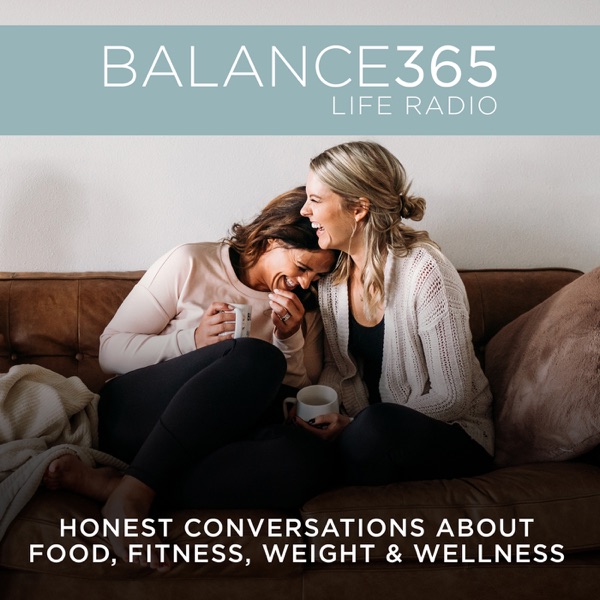
We are Balance365. We are bringing balance, moderation and sanity to women's health and fitness. Our approach is unique, yet simple: women need to figure out what works for their unique life! This is what allows women to live happily and healthfully with balance and ease.
On the charts
Every published chart this podcast appears in, in the snapshot behind this page. Each one links to the chart it came off.
From the feed
The latest episodes published to this podcast’s own RSS feed. Titles and descriptions are the publisher’s.
Episode Overview Jen has noticed a common theme coming up in her recent coaching conversations: women want change, but they don't necessarily want to experience what change feels like. And that makes sense. Change can mean disappointment, inconvenience, FOMO, awkwardness, or choosing not to do something you genuinely want to do in the moment. But when we reach that discomfort and immediately start searching for another option, we can end up looking for a version of change that doesn't require us to actually live differently. In this episode, Jen explores why learning to tolerate some discomfort is part of changing your habits but argues that simply tolerating it isn't enough. If you resent every choice you're making, it's going to be difficult to sustain those choices long term. Instead, she encourages listeners to look beyond what they're leaving behind and develop some enthusiasm for what they're building. Drawing on a recent coaching conversation and her own relationship with alcohol, Jen shows how habits that once felt essential can eventually become things we genuinely don't miss. The goal isn't to tolerate a life you dislike in exchange for weight loss. It's to create habits and a life you actually want… and let the results become part of what follows. If you like what you hear in this episode, don't miss your chance to join us when we open enrollment to join Balance365! Add your name to our obligation-free waitlist, and we will waive the $199 registration fee. Click here to learn more .
Episode Overview What happens when the healthiest choice for you is to do less? After more than a decade of lifting four days a week, Annie recently made a decision she didn't expect: she scaled back her training. Years of accumulated stress, nagging aches and injuries, and inadequate recovery had caught up with her. And while doing less helped her feel significantly better, it also came with a trade-off… She's lost some strength and muscle. In this episode, Annie gets honest about why that trade-off can feel so difficult, especially when fitness has become part of your identity or you're attached to how your body looks when you're training at your peak. She also shares what 25 years in the gym has taught her about the natural ebbs and flows of fitness. Strength isn't something you build once and then maintain perfectly forever. There are seasons for building, maintaining, recovering, rebuilding, and sometimes intentionally doing less. And if you're worried that a week off, a lighter training schedule, or a temporary change in your goals means you're losing all your progress? Annie breaks down why the reality is far less dramatic than it can feel. If you like what you hear in this episode, don't miss your chance to join us when we open enrollment to join Balance365! Add your name to our obligation-free waitlist, and we will waive the $199 registration fee. Click here to learn more . Key Points Why fitness becoming part of your identity can make scaling back feel surprisingly threatening. What Annie has learned about strength, recovery, detraining, and rebuilding after 25 years in the gym. How to adjust fitness goals without guilt and distinguish your lifetime best from your best right now. Why taking care of your body doesn't always mean asking more of it and how to recognize when doing less may be the right choice.
Episode Overview What happens when you try a GLP-1 and it doesn't work out the way you hoped? Maybe the side effects were too much. Maybe the cost became unsustainable. Maybe you stopped because you didn't like how you felt. Or maybe you stayed on the medication and simply didn't see the results you expected. Whatever the reason, it can be incredibly discouraging, especially when it seems like everyone else is having amazing results. You might even find yourself wondering whether lasting weight loss is possible for you at all. In this episode, Annie and Jen talk about what comes after a disappointing GLP-1 experience. They unpack why these medications don't work the same way for everyone, what your experience can teach you about your eating habits, and why developing behavior-change skills remains valuable regardless of whether medication is part of your journey. Most importantly, they challenge the idea that one tool not working means you should give up on the outcome altogether. Instead of searching for another set of rules to follow, this may be an opportunity to get curious about what still feels hard, identify the skills you actually need, and get the support to practice them over time. If you like what you hear in this episode, don't miss your chance to join us when we open enrollment to join Balance365! Add your name to our obligation-free waitlist, and we will waive the $199 registration fee. Click here to learn more . Key Points Why stopping a GLP-1 or not getting the results you expected doesn't mean you've failed. How hunger, emotional eating, metabolic adaptation, and individual response can influence the GLP-1 experience. Why following another nutrition plan isn't the same thing as developing lasting behavior-change skills. The questions Annie and Jen recommend asking yourself to figure out what you need next.
Episode Overview Considering a GLP-1 can bring up a surprising amount of internal conflict. Maybe part of you is curious or hopeful, while another part wonders if taking medication is "cheating." Maybe you think you should be able to lose weight on your own, worry about what other people will think, or aren't sure what choosing medication says about you and your efforts. If the decision feels heavier than you expected, there's a reason. In this episode, Annie and Jen unpack four reasons women may feel conflicted about trying a GLP-1. They explore our beliefs about hard work and deserving results, the pressure to do weight loss "on your own," fears about needing medication long-term, and the judgment and outside opinions that can make an already personal decision even harder. They also challenge the idea that you have to choose between medication and behavior change. GLP-1s and sustainable habits can be complementary tools, and the skills you build around food, movement, and caring for yourself still matter whether you try a GLP-1, stay on one, stop taking one, or never use one at all. This episode isn't about telling you whether you should or shouldn't take a GLP-1. It's about helping you understand why the decision can feel so complicated, separate your own wants and values from the noise around you, and make a choice that feels right for you. If you like what you hear in this episode, don't miss your chance to join us when we open enrollment to join Balance365! Add your name to our obligation-free waitlist, and we will waive the $199 registration fee. Click here to learn more . Key Points Why deciding whether to use a GLP-1 can feel so emotionally complicated The "cheating" narrative, pressure to do it on your own, and why we associate struggle with deserving results Why GLP-1s and behavior change don't have to be an either/or decision Questions to help you separate outside pressure from what you actually want for yourself
Episode Overview What if your problem isn't that you're inconsistent? If you've spent years telling yourself you just need more discipline, motivation, or willpower to finally stick with healthy habits, this episode offers a completely different way to look at what's happening. Jen explains how our eating behaviors function as systems: patterns we repeat over and over that produce predictable results. From barely eating all day and raiding the pantry at night, to being "good" Monday through Thursday before saying "screw it" on the weekend, these patterns might feel inconsistent in the moment. But when you zoom out, you may discover you've actually been incredibly consistent. In this episode, Jen helps you identify the systems operating underneath your eating habits, understand why trying harder inside the same system rarely works, and start getting curious about your behavior instead of blaming yourself for it. Because once you can see the system, you finally have something you can change. If you like what you hear in this episode, don't miss your chance to join us when we open enrollment to join Balance365! Add your name to our obligation-free waitlist, and we will waive the $199 registration fee. Click here to learn more . Key Points Why what looks like inconsistency may actually be a highly consistent pattern of behavior How daily, weekly, and even yearly eating patterns can create predictable results Why more rules, restriction, discipline, and "getting back on track" can reinforce the very cycle you're trying to escape How to zoom out, identify your existing systems, and start changing your habits with curiosity instead of criticism
Episode Overview Have you ever finished a meal feeling physically satisfied… but still wanted to keep eating? You're not alone. In this episode, Jen and Annie unpack one of the most common (and least understood) reasons women overeat: the emotional discomfort that can come with stopping when your body has had enough. They explore the difference between physical hunger and appetite, why eating less can sometimes feel disappointing or even like a loss, and how years of dieting, childhood experiences, and deeply ingrained habits shape our relationship with food. You'll also learn a simple framework for recognizing what's really happening in those moments when you want "just a few more bites"—and how to respond with more awareness and self-compassion instead of guilt. If you like what you hear in this episode, don't miss your chance to join us when we open enrollment to join Balance365! Add your name to our obligation-free waitlist, and we will waive the $199 registration fee. Click here to learn more . Key Points Why physical satisfaction and emotional satisfaction aren't always the same thing The hidden emotions—including disappointment, grief, and FOMO—that can drive overeating How childhood experiences, dieting, and habits influence your ability to stop eating A practical framework for navigating the urge to keep eating after you're full
Episode Overview What happens when you've spent decades trying to lose weight... only to realize the real battle was happening in your mind? In this inspiring Member Spotlight, Jen and Annie sit down with longtime Balance365 member Blair to talk about what finally shifted after years of diets, body shame, and feeling overwhelmed with thoughts about food. Growing up in image-conscious Los Angeles and constantly comparing herself to her thinner sister, Blair believed she needed to change her body to finally feel at peace. Instead, she discovered something very different. Inside Balance365, Blair learned how to accept herself where she was, quiet the mental chatter around food, and build a simple, sustainable system of habits that worked for her life. Along the way, she lost 45 pounds without restricting foods she loved and finding the peace and freedom she'd been searching for all along. In Blair's own words, she got what she was looking for, "but so much more." If you've ever wondered whether lasting change is possible without it consuming your life, Blair's story is proof that it is. If you like what you hear in this episode, don't miss your chance to join us when we open enrollment to join Balance365! Add your name to our obligation-free waitlist, and we will waive the $199 registration fee. Click here to learn more . Key Points How decades of dieting and body shame gave way to self-trust and peace with food The foundational habits that transformed Blair's relationship with eating Why consistency—not perfection—led to lasting behavior change and sustainable weight loss How building self-compassion created ripple effects in every area of her life
Episode Overview What do our successful members have in common? After years of interviewing Balance365 members for our Member Spotlight episodes, Jen decided to look at the data. She used AI to analyzed 36 member interview transcripts to uncover the common themes and patterns behind each woman's lasting change—and the results may surprise you. In this episode, Jen shares the five traits nearly every successful member had in common, the five things they needed to overcome to make sustainable progress, and the biggest misconceptions that kept them stuck for years. If you've ever thought, "Maybe those women just have something I don't," this episode is for you. You'll discover that lasting success wasn't about willpower or more nutrition knowledge. It was about learning a completely different set of skills. If you like what you hear in this episode, don't miss your chance to join us when we open enrollment to join Balance365! Add your name to our obligation-free waitlist, and we will waive the $199 registration fee. Click here to learn more . Key Points Why almost every successful member almost didn't join The surprisingly simple habits that created the biggest breakthroughs. How recovering quickly from setbacks matters more than avoiding them altogether. The mindset shifts that helped members build lasting trust in themselves.
Episode Overview We all know the basics of healthy eating and movement…so why are they often the hardest things to actually do? In this episode, Annie and Jen share personal stories about recently realizing they weren't fully taking their own coaching advice—and what happened when they got back to the fundamentals. Jen explains how a simple change to her lunch and taking intentional work breaks completely transformed her chaotic afternoon eating, while Annie shares how focusing on the same foundational habits she teaches every day led to surprising weight loss results. Together, they unpack why we resist simple solutions, how we convince ourselves we're already doing the basics (when we often aren't), and why chasing more complicated strategies can keep us stuck. If you've ever thought, "It can't be that simple," this episode is your reminder that lasting change usually comes from consistently doing the unglamorous things that work. If you like what you hear in this episode, don't miss your chance to join us when we open enrollment to join Balance365! Add your name to our obligation-free waitlist, and we will waive the $199 registration fee. Click here to learn more . Key Points Why we often overlook the simple habits that create lasting results The surprising reasons we resist going back to the basics Jen and Annie's personal habit experiments—and what they learned How small, consistent changes can have a bigger impact than chasing the next diet or health trend
Episode Overview Macro counting has become one of the most popular nutrition strategies—but is it actually helpful, or can it do more harm than good? In this episode, Jen and Annie take an honest, nuanced look at macro tracking, sharing where it can be a valuable learning tool and where it takes women down obsessive rabbit holes. They explain what macros are, how tracking can improve nutrition awareness, and why many people discover surprising things about their eating habits when they log their food. But they also dive into the downsides: perfectionism, food obsession, guilt, rigidity, and becoming disconnected from your body's own hunger and fullness cues. Most importantly, they share how Balance365 approaches macro tracking—not as a long-term lifestyle, but as an optional, short-term tool to gather information to use towards building sustainable habits. If you've ever wondered whether you should track macros—or you're trying to break free from feeling controlled by numbers—this episode will help you decide what's right for you. If you like what you hear in this episode, don't miss your chance to join us when we open enrollment to join Balance365! Add your name to our obligation-free waitlist, and we will waive the $199 registration fee. Click here to learn more . Key Points What macro counting is—and when it can actually be helpful The benefits and drawbacks of tracking calories, protein, carbohydrates, and fat How perfectionism, guilt, and food obsession can develop through macro tracking Why Balance365 prioritizes sustainable habits and stability before fat loss
Episode Overview Have you ever opened social media for "just a minute" only to find yourself bombarded with diet tips, weight-loss ads, body transformation videos, or wellness trends you never intentionally searched for? You're not imagining it. In this episode, Jen and Annie unpack how social media algorithms work, why your feed can quietly shape your beliefs about your body and health, and what you can do to take back control. Inspired by a Balance365 member who realized her algorithm was pulling her back to diet culture thinking, they explore how algorithms reinforce what captures your attention—not necessarily what's best for you. From GLP-1 ads to fitness trends, body image, and comparison, this conversation explains why your feed matters more than you might think and offers practical steps to build a healthier digital environment that supports your goals instead of sabotaging them. If you like what you hear in this episode, don't miss your chance to join us when we open enrollment to join Balance365! Add your name to our obligation-free waitlist, and we will waive the $199 registration fee. Click here to learn more . Key Points How social media algorithms learn your behavior—and reinforce it Why diet culture content can take over your feed without you intentionally seeking it out The connection between social media, body image, comparison, and mental well-being Practical ways to reset your algorithm and become more intentional with your social media use
Episode Overview Peptides are everywhere right now. From celebrities and influencers to wellness clinics and social media ads, they're being marketed as the solution for everything from better sleep and faster recovery to younger-looking skin, muscle growth, and healthy aging. But do they actually work? In this episode, Annie dives deep into the current peptide craze after becoming curious herself. Together, she and Jen separate marketing from evidence, explain what peptides actually are, why they're suddenly everywhere, and what the current research really says. They discuss the difference between FDA-approved peptide medications like GLP-1s and the largely unregulated injectable peptides flooding the wellness market, along with the risks consumers may not realize they're taking. If you've been wondering whether peptides are worth the hype—or feeling like you're falling behind because everyone online seems to have a "peptide stack"—this episode will help you make a more informed decision. If you like what you hear in this episode, don't miss your chance to join us when we open enrollment to join Balance365! Add your name to our obligation-free waitlist, and we will waive the $199 registration fee. Click here to learn more . Key Points What peptides are and how they're different from FDA-approved GLP-1 medications Why injectable peptides have become one of the biggest wellness trends What the research actually says about recovery, muscle growth, sleep, skin, and longevity claims Why behavior change still delivers the biggest return on your health investment
Episode Overview You hit your workouts. You check the exercise box. You're doing all the "right" things. So why are researchers and major health organizations still warning about sedentary behavior? In this episode, Jen breaks down the difference between being physically active and being sedentary, and why they're not the same thing. You'll learn what the research says about sitting, movement, step counts, and how small choices throughout the day can have a meaningful impact on your long-term health. If you've ever assumed your daily workout cancels out hours at a desk, this conversation may change the way you think about movement entirely. If you like what you hear in this episode, don't miss your chance to join us when we open enrollment to join Balance365! Add your name to our obligation-free waitlist, and we will waive the $199 registration fee. Click here to learn more . Key Points The difference between sedentary behavior and physical inactivity Why exercise alone may not fully offset long periods of sitting What NEAT (Non-Exercise Activity Thermogenesis) is and why it matters Practical ways to reduce sedentary time without overhauling your life
Episode Overview Summer is supposed to be carefree—but for many women in larger bodies, it can feel like a season of dread, discomfort, and constant self-monitoring. In this deeply personal episode, Annie shares her experience navigating summers in a larger body and the hidden emotional labor that often comes with it. From avoiding pools and photos to worrying about seating, clothing, physical comfort, and judgment from others, she unpacks the realities that many women quietly carry. Together, Annie and Jen discuss the difference between choosing not to participate and feeling unable to participate, why "just wear the swimsuit" isn't always helpful advice, and how women can begin taking small, meaningful steps toward showing up more fully in their lives. Whether you've struggled with body image, avoided summer activities, or simply want to feel more present this season, this episode offers practical strategies and a compassionate perspective for navigating summer in the body you have right now. If you like what you hear in this episode, don't miss your chance to join us when we open enrollment to join Balance365! Add your name to our obligation-free waitlist, and we will waive the $199 registration fee. Click here to learn more . Key Points The physical and emotional realities of navigating summer in a larger body Why avoiding photos, pools, vacations, and social events often feels safer How to break down overwhelming fears into manageable, actionable steps The importance of taking up space and participating in your life right now
Episode Overview Getting a prediabetes diagnosis can feel scary, overwhelming, and even shame-inducing. But what if it's not a verdict—what if it's valuable information that gives you the opportunity to take action? In this episode, Annie interviews Jen about prediabetes, what it actually means, why it matters, and what women can do to improve their blood sugar regulation before it progresses to type 2 diabetes. Jen explains the role of insulin resistance, the difference between prediabetes and diabetes, and why so many women get distracted by social media "hacks" instead of focusing on the habits that truly move the needle. They also discuss the biggest barriers to behavior change, the importance of meeting yourself where you are, and why consistency—not perfection—is often the key to better health outcomes. If you've recently been told you're prediabetic, or you're worried about your blood sugar, this episode will help you focus on what matters most. If you like what you hear in this episode, don't miss your chance to join us when we open enrollment to join Balance365! Add your name to our obligation-free waitlist, and we will waive the $199 registration fee. Click here to learn more . Key Points What prediabetes is, how it's diagnosed, and why it deserves your attention The "big rocks" that improve insulin sensitivity and blood sugar regulation Why nutrition hacks and social media tips often distract from what actually works How perfectionism and all-or-nothing thinking keep women stuck
Episode Overview What if the reason your habits feel so hard has nothing to do with motivation, discipline, or "wanting it badly enough"? In this solo episode, Annie breaks down the concept of friction minimizing — the practice of making healthy habits easier to follow through on instead of relying on constant willpower. From your environment to your routines to the way you see yourself, she explains how reducing friction can help you create more consistency without adding more pressure to your life. If you constantly feel like you're negotiating with yourself to work out, meal prep, go to bed earlier, or "get back on track," this episode will help you understand why. Annie also shares practical examples of how she minimizes friction in her own life and how you can start creating systems that support your habits instead of fighting against them. If you like what you hear in this episode, don't miss your chance to join us when we open enrollment to join Balance365! Add your name to our obligation-free waitlist, and we will waive the $199 registration fee. Click here to learn more . Key Points Why relying on willpower and discipline eventually backfires How your environment influences your habits more than you realize The power of defaults and reducing daily decision fatigue How identity shifts make healthy habits feel easier and more natural
Episode Overview What started as a viral TikTok trend about "snack tins" turned into a much bigger conversation about hunger, self-care, diet culture, and how wellness messaging gets distorted online. In this episode, Annie and Jen unpack the now-viral "snack tin" trend and the vastly different messages behind it. While the original creator framed her snack tins as a mindful, pleasurable ritual rooted in slowing down and reconnecting with food, mainstream media quickly turned it into another version of restrictive "eat less" wellness culture. Annie and Jen discuss the difference between psychological satisfaction and physiological satisfaction, why persistent hunger shouldn't be normalized, and how to figure out what your body actually needs throughout the day. They also explain why there's no universal rule for how big a snack "should" be—and why learning your own eating rhythm matters far more than following trendy nutrition advice. If you like what you hear in this episode, don't miss your chance to join us when we open enrollment to join Balance365! Add your name to our obligation-free waitlist, and we will waive the $199 registration fee. Click here to learn more . And if today's episode resonated with you, register for our free workshop, The Grown Woman's Guide to Eating Without Rules . Key Points The difference between psychological vs. physiological hunger and satisfaction Why "persistent hunger" may be a sign your meals aren't meeting your needs How diet culture repackages restriction into trendy wellness advice Why your snack needs should change based on your day, schedule, stress, and energy demands
Episode Overview Carbs have been villainized for decades, and many women are still carrying around fear, guilt, and confusion about them, even if they don't realize it. In this episode, Jen and Annie unpack the lingering effects of low-carb culture, why so many women are unintentionally under-eating carbohydrates, and how that impacts energy, cravings, workouts, satisfaction, and overall well-being. Jen shares her own experience of spending years deep in keto and low-carb dieting before realizing that adding carbohydrates back into her meals actually improved her energy, strength, satiety, and relationship with food. Together, they discuss why balanced meals matter, why carbs are not the enemy, and how developing nutrition skills is far more valuable than following rigid food rules. If you've ever felt anxious about bread, guilty for eating pasta, or convinced yourself bananas have "too much sugar," this conversation is for you. If you like what you hear in this episode, don't miss your chance to join us when we open enrollment to join Balance365! Add your name to our obligation-free waitlist, and we will waive the $199 registration fee. Click here to learn more . Key Points Why many women are unintentionally eating low-carb diets without realizing it How low-carb eating can impact energy, cravings, workouts, and satisfaction The difference between balanced eating and rigid food rules Why nutrition skill-building matters more than compliance and restriction
Episode Overview Protein is everywhere right now — protein bars, protein chips, protein water, cottage cheese, everything, and social media advice telling women they need 200 grams a day just to stay healthy. In this episode, Annie and Jen unpack the current "protein maxing" trend and explain what the research actually says about how much protein women need. They break down why so many women feel stressed, overwhelmed, or "behind" on protein, how protein marketing can create confusion, and why eating more protein isn't always the answer. You'll hear what realistic protein intake actually looks like for women in different body sizes, how to tell whether a food is truly high protein, and why resistance training matters far more than obsessing over every gram. If you've been feeling protein-ed out, confused by conflicting recommendations, or worried you're not doing enough, this conversation will help you simplify your approach and focus on what actually matters. If you like what you hear in this episode, don't miss your chance to join us when we open enrollment to join Balance365! Add your name to our obligation-free waitlist, and we will waive the $199 registration fee. Click here to learn more . Key Points What the latest research actually says about protein needs for women Why "high protein" marketing can make nutrition more confusing How to know if a food is truly a meaningful protein source Why resistance training matters more than chasing extreme protein targets
Episode Overview In this episode, Annie and Jen are joined by content creator and recipe developer Kristin Solorzano (aka What's the Freakin' Recipe) to talk about meal planning and meal prep in real life—not the Instagram version. Kristin shares her journey from stand-up comedy to food content creation, and how her approach to cooking has evolved as a busy mom and business owner. Together, they unpack the biggest barriers people face when it comes to feeding themselves consistently—and why your expectations might be the real problem. This conversation is your permission slip to stop overcomplicating meals, lean into convenience, and build systems that work for your life. If you like what you hear in this episode, don't miss your chance to join us when we open enrollment to join Balance365! Add your name to our obligation-free waitlist, and we will waive the $199 registration fee. Click here to learn more . Key Points The two extremes: perfectionist vs. "wing it" meal planning Simple systems that make meals easier (without burnout) Why convenience foods are not the enemy How social media distorts what "normal" cooking looks like
Ranking source
Apple Podcasts rankings via the Mato Topic Intelligence Platform.
Observed September 20, 2026.
Apple and Apple Podcasts are trademarks of Apple Inc., registered in the U.S. and other countries.
Pairs with
Bring this source into Mato to read its transferable patterns, then turn them into an original show for your own audience.